A study published in Science dates a meteorite recovered in Mali to at least 4.1 billion years ago, offering researchers a rare sample of Mars’ early crust and mantle.
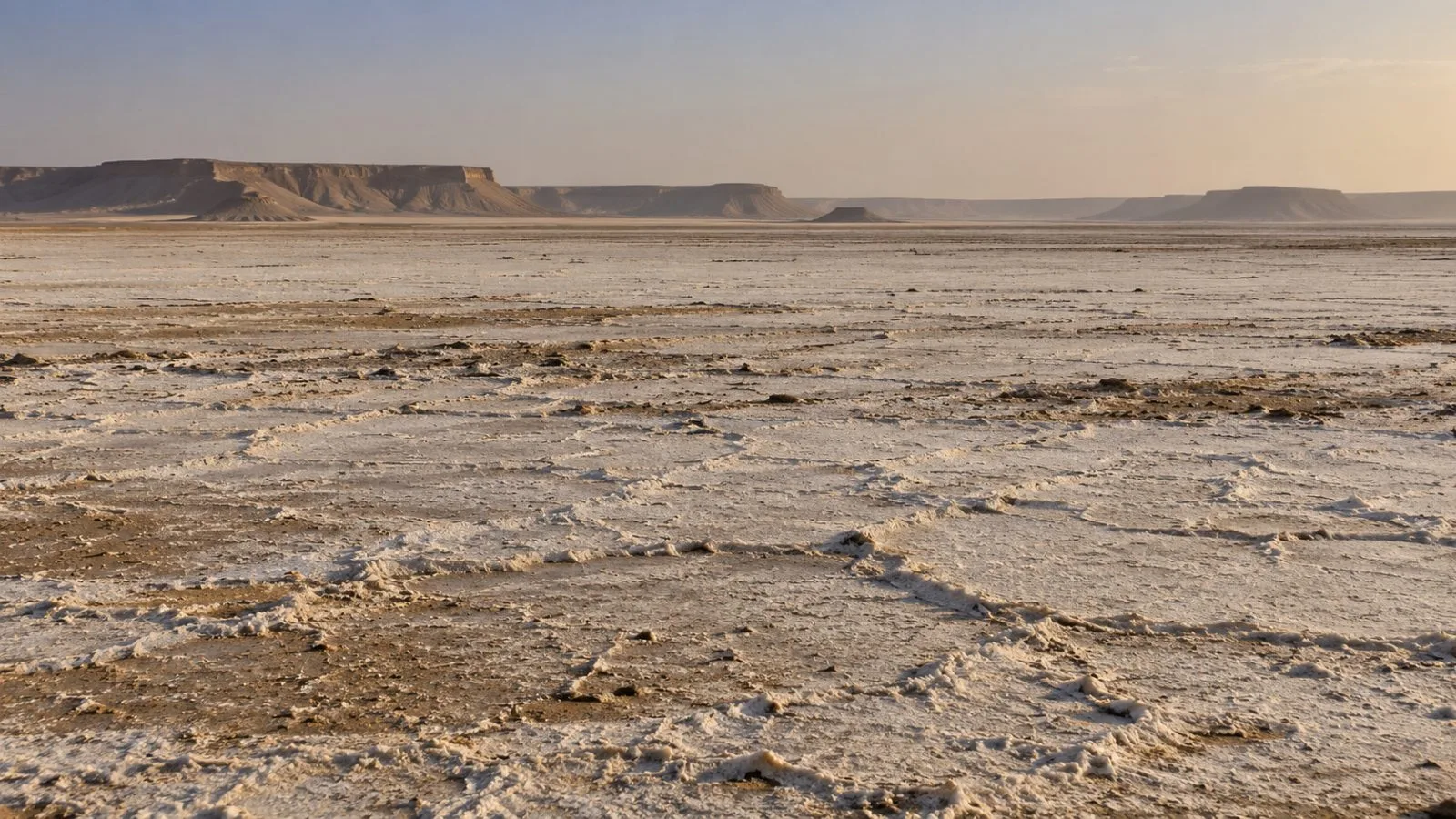
NASA’s Jet Propulsion Laboratory (JPL) says the meteorite weighs nearly 800 grams and was recovered from the Sahara in 2022. Researchers named it Teghaza 001 after a salt plain in Mali. JPL ranks it among the three most ancient Martian meteorites found on Earth. Minerals in the rock point to water-related alteration around 4.1 billion years ago, placing the meteorite’s formation earlier.
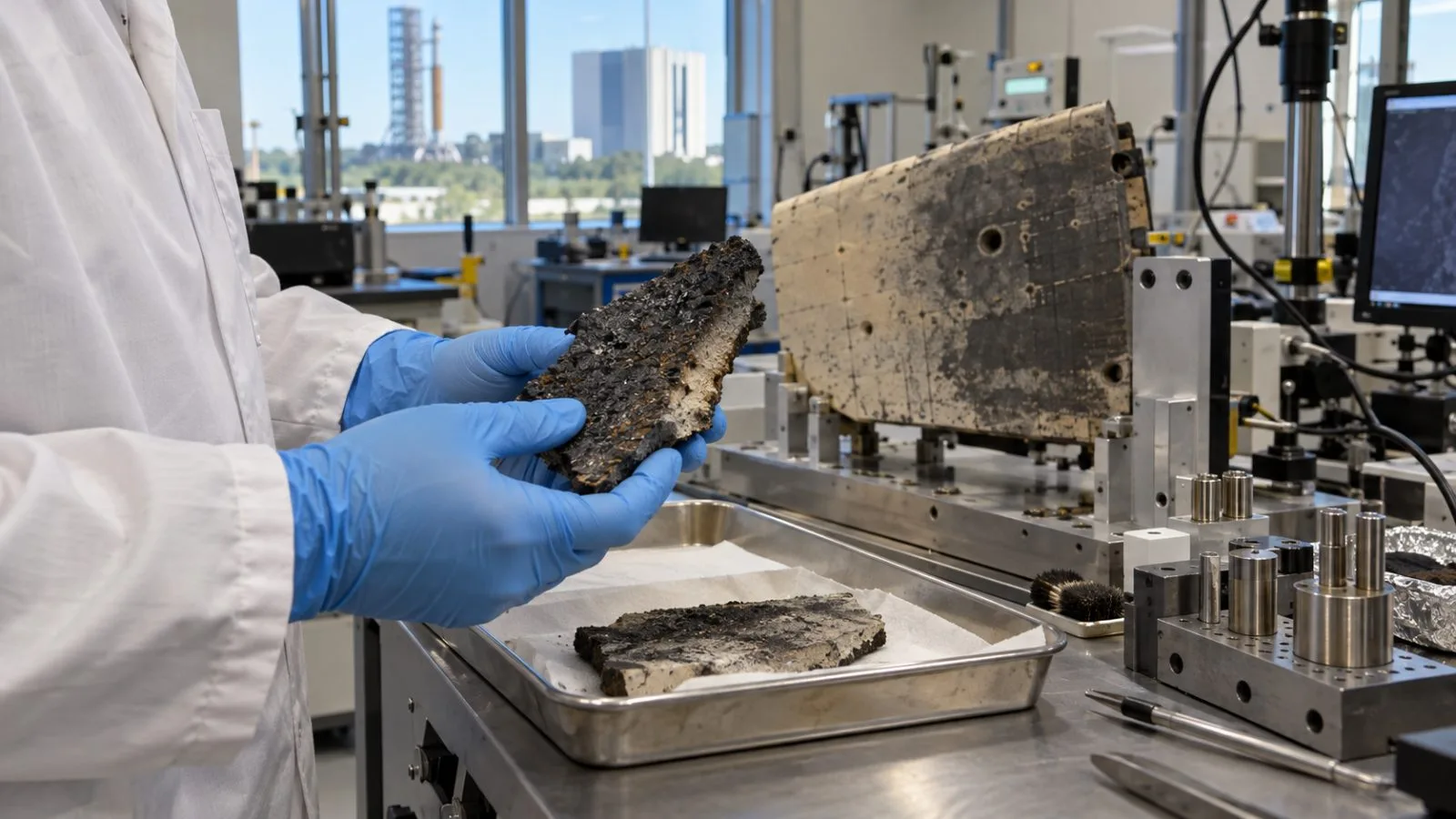
The Science paper reports that researchers dated feldspar with rubidium-strontium analysis and zircon crystals with uranium-lead analysis; the methods produced matching ages. JPL said researchers used a fragment smaller than a fingernail to analyze individual mineral grains on its surface. University of Maine professor Alicia Cruz-Uribe said, “When we can’t date a rock by one method, maybe the rubidium-strontium can fill in the gaps.”
A separate study in Science Advances measured hydrogen and deuterium in calcium phosphate minerals. Its results indicate that water from Martian magma mixed with a component carrying a chemical signature associated with an ancient hydrosphere. The researchers estimated that the ancient hydrosphere’s minimum deuterium-to-hydrogen ratio about 4.1 billion years ago was roughly double the ratio in Earth’s seawater.
“It records interactions of water and rock and maybe even an imprint of the Martian atmosphere as it was losing water,” said NASA Ames Research Center scientist Lee Saper, a co-author.
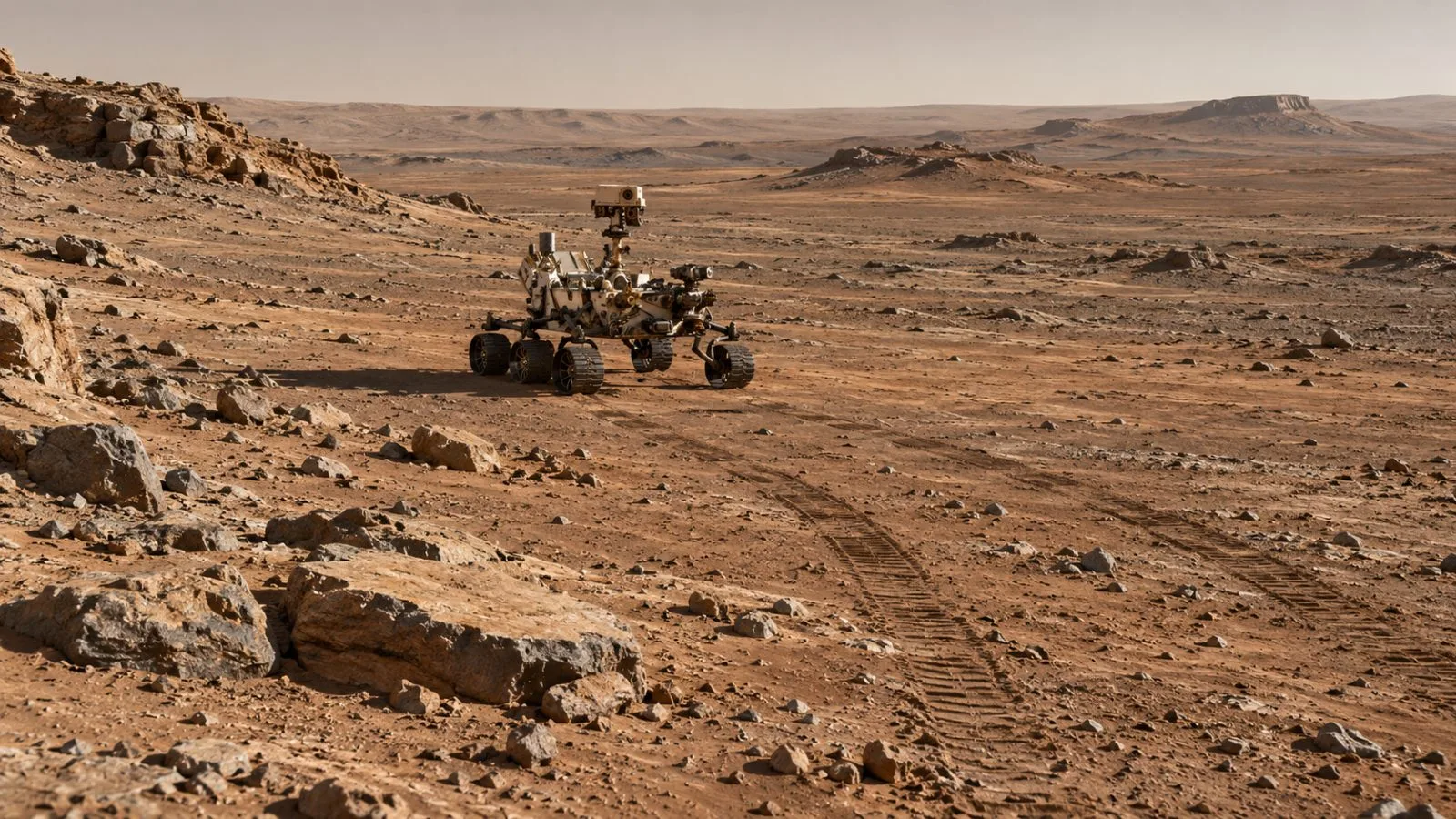
Scientists have not identified the meteorite’s exact source on Mars. JPL identified 13 candidate locations with matching mineral compositions, including sites in the southern highlands, but none has been confirmed as the origin.
Some Martian rocks reach Earth after an impact sends fragments beyond the planet. Researchers can examine those meteorites in laboratories alongside data from Mars missions, JPL said.