


 Amazon Cuts More Jobs as AI Investment Expands
  Huawei, Qualcomm Sign Multi-Year AI and 5G Patent Deal
  Intel Reaffirms Role in Elon Musk’s Terafab Chip Project
  Micron Shares Rise 4% Despite Taiwan Strike Risk
  SpaceX Seeks $40 Billion for Nvidia AI Chips
  Marvell Stock Surges on $90 Billion AI Revenue Outlook
  Meta and Microsoft Cut Internal Claude AI Use
  Tencent Shares Fall as $5 Billion AI Bond Sale Weighed
  Firmus Grid IPO Draws Strong Demand, Nvidia and Blackstone Could Raise Stakes
  Samsung, SK Hynix Shares Fall Ahead of Q3 Earnings
  JPMorgan CEO Jamie Dimon Warns Mythos AI Raises Cyber Risk Tenfold
  TSMC Q3 Revenue Beats Estimates as AI Chip Demand Surges
  Europol Warns Bitcoin Wallets Face Quantum Computing Risk
  Zcash Prepares for NU7 Upgrade as Zebra Gets Key Security Fixes
  Zcash Privacy Demand Rises as AI Exposes Bitcoin Transactions
  Broadcom, Oracle and SpaceX Seek Billions in Private Debt for AI Expansion
  Elon Musk Accuses Indian Telecom Giants of Blocking Starlink Launch


 Add as a preferred source on Google
Facebook users have always wanted a “dislike” button and Founder and chief executive Mark Zuckerberg seems to have accepted the popular demand.
During a Q&A at Facebook’ headquarters, Zuckerberg announced, "I think people have asked about the dislike button for many years. Today is a special day because today is the day I can say we're working on it and shipping it”.
While explaining as to why it wasn’t immediately designed, he said that he didn't want it to become a Reddit-style system of upvoting and downvoting, reports Business Insider.
"That isn't what we're here to build in the world," Zuckerberg said. "What they really want is the ability to express empathy. Not every moment is a good moment," Zuckerberg said.
He said that Facebook has been working on it for awhile, and it hopes to launch it soon.
"It's surprisingly complicated to make an interaction that will be simple," he added.

- News

- Economy

- Central Banks
- Investing
- Research
- Roundups
- Digital Currency
- Insights
- Technical Analysis
- Technology
- Business
- Law
- Health
- Nature
- Fintech
- Science
- Topic
- Opinions
- ©Econometrics LLC . All Rights Reserved.
Mark Zuckerberg: Facebook working on “dislike” button
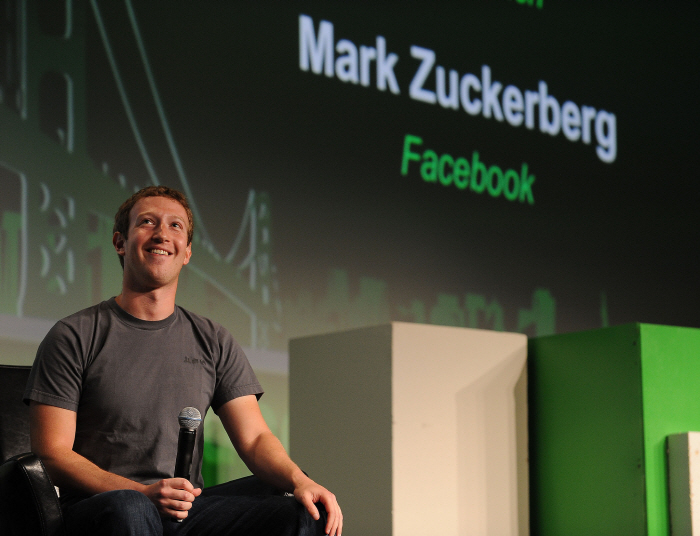
151893386CF001_TechCrunch_C (TechCrunch_Flikr)
Wednesday, September 16, 2015 5:14 AM UTC
Editor's Picks



- Market Data
Most Popular




