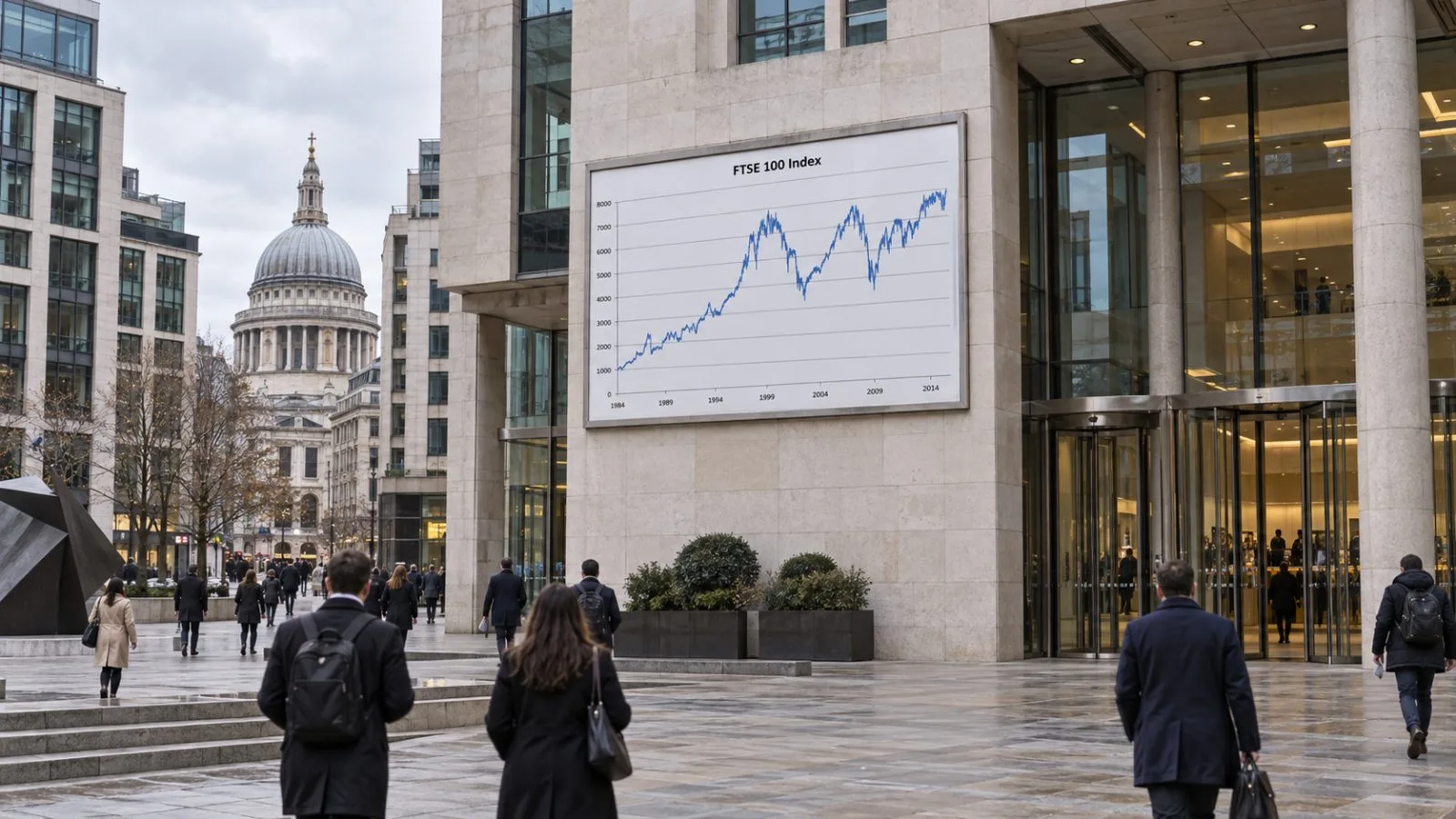
Global financial markets continue to show resilience despite ongoing geopolitical tensions and disruptions in oil supply. Analysts note that while the conflict involving Iran raised fears of a major oil shock, energy prices—particularly gasoline—have not surged beyond historical extremes, helping stabilize investor sentiment.
Oil prices have increased, but not to the extent many initially feared. According to market strategist Dennis Kissler of BOK Financial, the U.S. economy remains robust, recently reaching record highs. This strength, combined with steady corporate earnings, has helped the S&P 500 and Nasdaq post their best April performance since 2020.
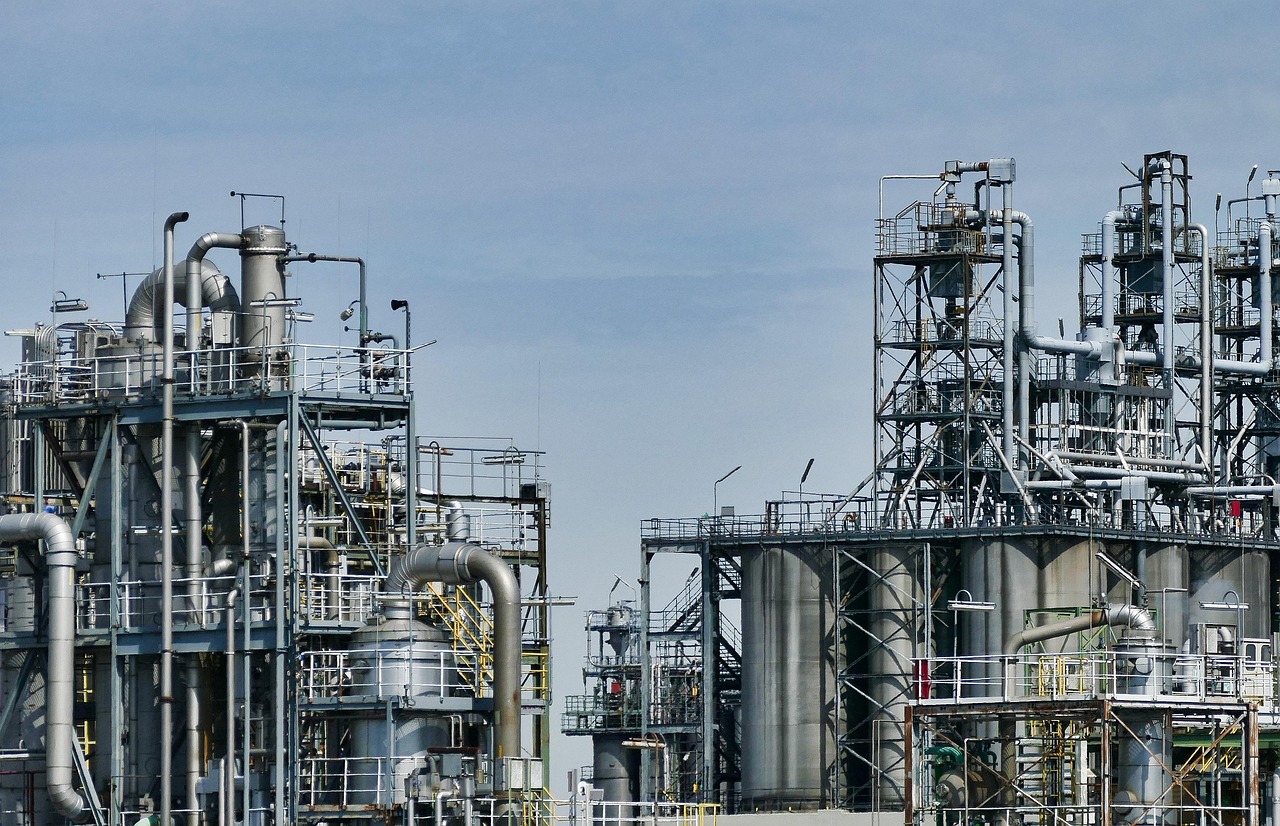
Although the Strait of Hormuz—responsible for roughly 20% of global oil supply—has experienced disruptions, alternative supply routes and increased production elsewhere have cushioned the impact. Saudi pipeline adjustments, higher exports from the U.S. and South America, and reduced demand in Europe have all contributed to stabilizing global oil flows.
Data from TankerTrackers.com revealed that Iran exported at least 11.7 million barrels of crude to China during the early weeks of the conflict. Meanwhile, Kepler reports that Iran’s total exports reached over 55 million barrels between mid-March and mid-April, even as crude prices held above $90 per barrel.
JPMorgan analysts estimate that more than 10% of global oil supply has been temporarily removed due to the crisis. Despite this, Brent crude prices have risen only about 43% compared to their one-year average, a relatively moderate increase given the scale of disruption. The bank projects oil prices could average $100 per barrel this quarter before easing to around $80 by late 2026.
Strong U.S. economic performance has also played a key role. GDP growth in the first quarter was supported by a 4.4% rise in government spending and increased investment in artificial intelligence. However, rising imports tied to AI development widened the trade deficit, slightly offsetting growth.
While inflation pressures from the conflict remain a concern, investors continue to focus on earnings strength. Analysts warn that any signs of slowing growth could trigger market volatility, but so far, confidence remains intact.