


 Hong Kong’s Second Solana ETF Launches With Lower Fees
  Visa Wins China Approval to Prepare Domestic Payments Expansion
  Elon Musk Donates $366 Million to 2026 US Midterms
  TSMC Profit Set to Surge 65% as AI Chip Demand Drives Record Earnings
  Airbus Tests Valkyrie Combat Drone in Europe for Eurofighter Integration
  Most Americans Oppose Election Betting on Prediction Markets, Poll Finds
  Orsted to Take Full Ownership of UK Offshore Wind Farm for £15 Million
  Arthur Hayes Announces FLOP Testnet Launch Within Weeks
  Binance to Shut Down Crypto Mining Pool Services on November 10
  Russia Approves Sberbank for Crypto Exchange Services
  Coinbase CEO Backs SEC Accredited Investor Reform
  European Auto Stocks Rise as EU-China Trade Deal Targets Hybrid Imports
  Ethereum Foundation-Linked Wallets Move $11.13M in ETH to Kraken
  FAA Warns US Airlines Over Saudi Arabia Flight Risks
  Moonshot AI Executives Seek Settlement Ahead of Hong Kong IPO
  Samsung, SK Hynix Shares Fall as China's CXMT Advances DRAM Technology
  Bumble Shares Surge 50% on $1 Billion Buyout Talks


 Add as a preferred source on Google
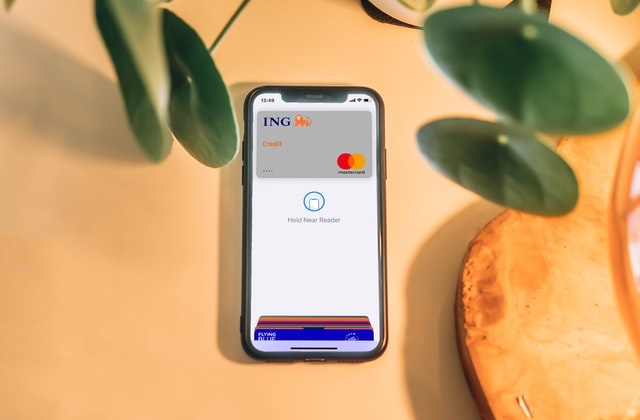
Mastercard is making an appeal, and the court in London is setting up a trial to reconsider the earlier ruling where the financial services company was ordered to pay £14 billion or $19 billion to customers in a class-action suit.
As per Reuters, the court will decide if Mastercard should proceed with paying customers in the U.K. who are entitled to £300 each if the prosecutors will uphold the order against the American company.
The lawsuit against Mastercard
The case that the company is facing right now is considered the largest of its kind due to the amount involved. After losing in the legal battle, Mastercard was ordered by the U.K.’s highest court to compensate its customers in the country.
The issue here that led to the lawsuit is related to the swipe fees in Mastercard credit cards. The Supreme Court sided with the group that is representing more or less 46 million clients of the company. In this class action, the judge said that each one of these customers should get £300, which has been described as “mass claims.”
In this new development regarding the case, a two-day court hearing has been set for March 25 and 26. This will determine the final judgment in the U.K.’s first mass consumer claim. The decision is also expected to stir up similar class-action suits as there are other companies that may have committed the same mistake.
The outset of the lawsuit
The lawsuit against Mastercard was raised by Walter Merricks, a former financial ombudsman, who claimed that the company overcharged millions of people in Britain in the span of 16 years. He has been hoping that the Competition Appeal Tribunal (CAT) will verify this case after the Supreme Court repeals objections for it to proceed in December.
Meanwhile, Lawyer Monthly reported that Merricks pointed out that Mastercard charged exorbitant interchange fees between May 1992 to June 2008. These fees are what the retailers' customers pay to credit card companies when customers use their Mastercard card when shopping.
“Mastercard has been a sustained competition lawbreaker, imposing excessive card transaction charges over a prolonged period in a way it must have known would impose an invisible tax on UK consumers,” Merricks said in December 2020.







