


 Russia Approves Sberbank for Crypto Exchange Services
  Elon Musk Donates $366 Million to 2026 US Midterms
  FAA Warns US Airlines Over Saudi Arabia Flight Risks
  Arthur Hayes Announces FLOP Testnet Launch Within Weeks
  Binance to Shut Down Crypto Mining Pool Services on November 10
  Canton Network Expands in South Korea With Major Partnerships
  Moonshot AI Executives Seek Settlement Ahead of Hong Kong IPO
  Most Americans Oppose Election Betting on Prediction Markets, Poll Finds
  Apple Supplier Luxshare Faces US Patent Probe, Sees Limited Impact
  Meta Launches Muse Wonder AI Models, Shares Rise 3.7%
  Nasdaq Faces Pullback to 26,225 Despite Bullish Outlook, UBS Says
  European Auto Stocks Rise as EU-China Trade Deal Targets Hybrid Imports
  Samsung, SK Hynix Shares Plunge as China Chip Competition Grows
  Nvidia’s China AI Chip Market Share Falls to 34% as Huawei Gains Ground
  Albertsons Seeks $9.3 Billion From Kroger Over Failed Merger
  Airbus Tests Valkyrie Combat Drone in Europe for Eurofighter Integration
  Hong Kong’s Second Solana ETF Launches With Lower Fees


 Add as a preferred source on Google
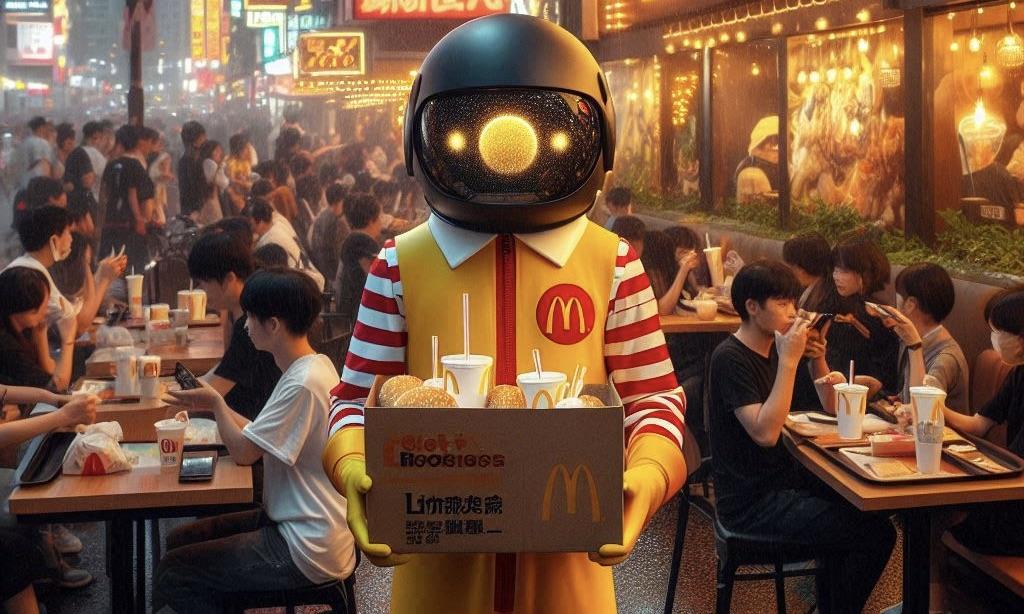
McDonald's reported an unexpected decline in quarterly global comparable sales on July 29, as financially constrained customers opted for cheaper home-cooked meals. The burger giant saw a 1% drop in global sales, the first decline in 13 quarters, missing analysts' expectations of a slight increase.
McDonald's Faces Sales Decline as Inflation Drives Consumers Toward Cheaper Home-Cooked Meals
McDonald's unexpectedly posted a decline in quarterly global comparable sales on July 29, as the burger behemoth struggled to prevent financially constrained customers from selecting less expensive meals at home.
The company's shares, which have declined by 15% this year, experienced a 1.5% decline in premarket trading.
According to LSEG data, global sales experienced a 1% decline in the second quarter, marking the first decline in 13 quarters. This contrasted with analysts' average estimate of a 0.53% increase.
The fast-food industry, including McDonald's and Domino's Pizza, has experienced a lack of demand due to persistent inflation and increasing prices of burgers and pizzas. This has compelled lower-income individuals to seek more affordable home food options.
To regain the loyalty of value-conscious consumers, restaurants have implemented numerous value bundles and limited-time offers priced between $3 and $5.
Value meal conflicts have intensified as Burger King, Wendy's, and Starbucks have implemented meal deals in recent months.
Following its introduction on June 25, McDonald's was scheduled to extend its $5 meal offer at most U.S. locations through August.
McDonald's Faces Sales Decline Amid Selective Consumer Spending and International Market Weakness
According to its CEO (via Reuters), Chris Kempczinski, consumers are increasingly selective in spending habits.
Comparable sales in the United States experienced a 0.7% decline in the quarter ending on June 30, as opposed to a 10.3% increase in the previous year. France's weakness resulted in a 1.1% decline in international market sales compared to the anticipated growth of 1.69%. A year ago, the segment experienced an 11.9% increase.
McDonald's business segment, which operates restaurants through local partners, experienced a 1.3% decline in sales compared to a 14% increase the previous year. This was due to a slower-than-anticipated recovery in China and the Middle East conflict.
Mcdonald's and Starbucks have experienced a decline in sales in the Middle East markets due to consumer boycotts associated with the Gaza conflict.
In the second quarter, McDonald's earned $2.97 per share on an adjusted basis, which is lower than the $3.17 earned last year.







