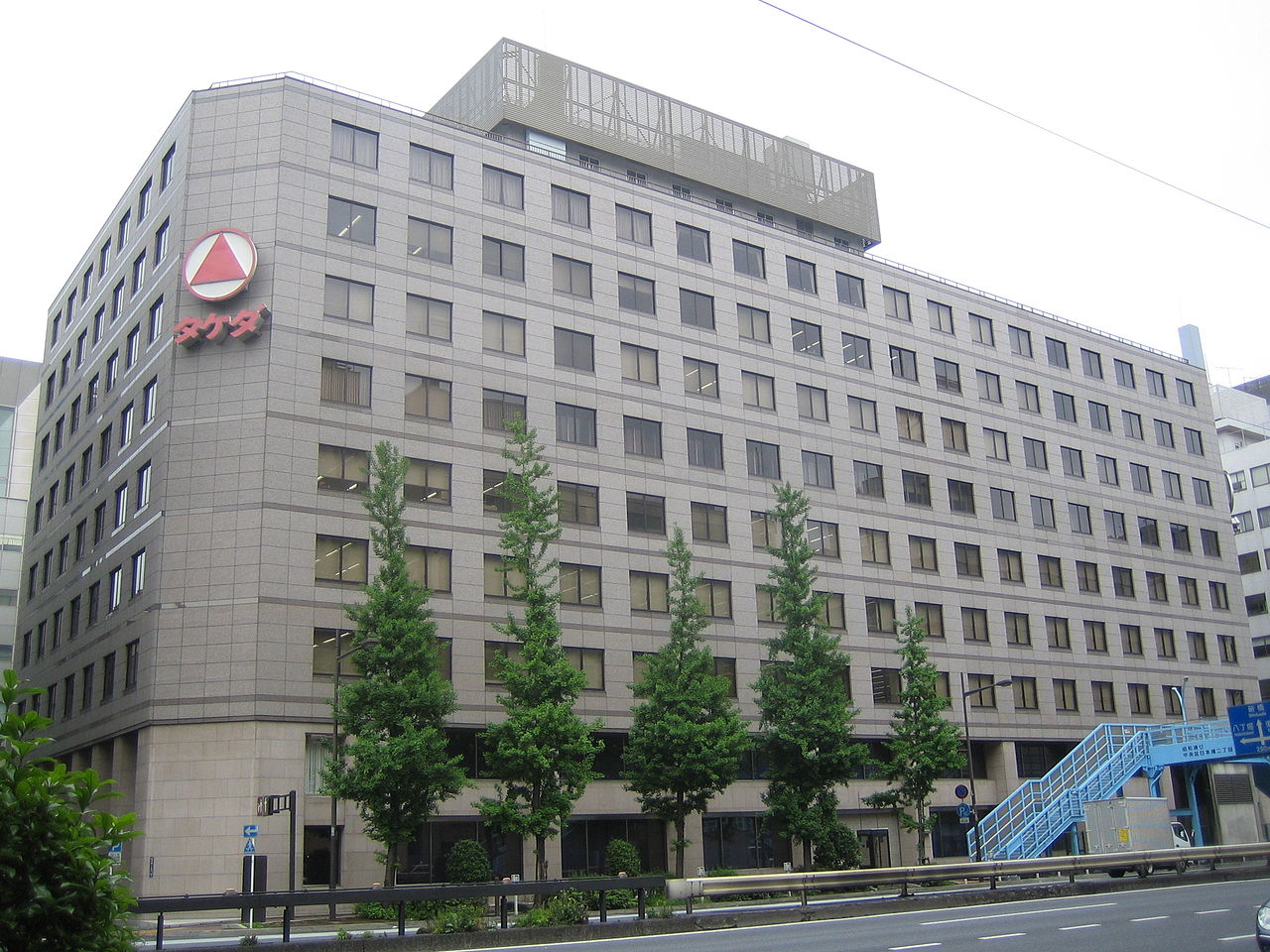
A U.S. federal jury has ordered Japan-based Takeda Pharmaceutical to pay approximately $885 million in damages after finding the company liable for delaying the release of a generic version of its constipation drug Amitiza through an alleged anticompetitive agreement. The verdict was delivered Monday in a Boston federal court and marks a major development in ongoing “pay-for-delay” pharmaceutical litigation in the United States.
The lawsuit was brought by pharmacies, insurers, retailers, and health funds, including CVS Health and Walgreens, which argued that Takeda’s actions forced buyers to continue paying inflated prices for Amitiza for years. Under U.S. antitrust laws, the damages awarded could eventually be tripled, potentially exposing Takeda to several billion dollars in financial liability.
The legal dispute focused on a 2014 settlement between Takeda, Sucampo Pharmaceuticals, and generic drugmaker Par Pharmaceutical. Par had sought approval from the U.S. Food and Drug Administration to launch a generic version of Amitiza after challenging the validity of the drug’s patents. However, the companies reached an agreement allowing Par to delay the launch until January 2021 while receiving access to distribute an authorized generic version of the drug under a profit-sharing arrangement.
Plaintiffs argued the deal effectively acted as a $210 million payoff that postponed lower-cost competition for nearly six years. Takeda denied wrongdoing and maintained during the trial that the agreement was lawful and encouraged competition. The company also stated it plans to aggressively appeal the ruling.
The jury awarded $474.9 million to direct purchasers and $63.2 million to insurers and other end payors. CVS received $191 million in damages, while Walgreens was awarded $121 million.
Despite the ruling, Takeda said it does not expect a material impact on its FY2026 financial guidance aside from possible effects on adjusted free cash flow. Takeda shares rose 0.6% Tuesday morning, outperforming Japan’s Nikkei 225 index, which declined 0.3%.