


 Elon Musk Donates $366 Million to 2026 US Midterms
  US Dollar Near 18-Month High Ahead of Inflation Data
  Want to cut your energy bills? Here’s how five experts are doing it
  Moonshot AI Executives Seek Settlement Ahead of Hong Kong IPO
  Glastonbury is as popular than ever, but complaints about the lineup reveal its generational challenge
  Gold Prices Rebound as Dollar Weakens Ahead of US Inflation Data
  Canton Network Expands in South Korea With Major Partnerships
  Bumble Shares Surge 50% on $1 Billion Buyout Talks
  Oil Prices Fall as Russia Signals Higher Diesel Exports
  Nasdaq Faces Pullback to 26,225 Despite Bullish Outlook, UBS Says
  Epic Games Delays Disney Shooter, Shifts to AI-First Development
  Nvidia’s China AI Chip Market Share Falls to 34% as Huawei Gains Ground
  Locked up then locked out: how NZ’s bank rules make life for ex-prisoners even harder
  Oil Prices Surge Above $106 After Deadly Saudi Airport Attack
  PepsiCo Slashes Poppi Earnout Valuation as Growth Slows
  An unexpected anomaly was found in the Pacific Ocean – and it could be a global time marker


 Add as a preferred source on Google
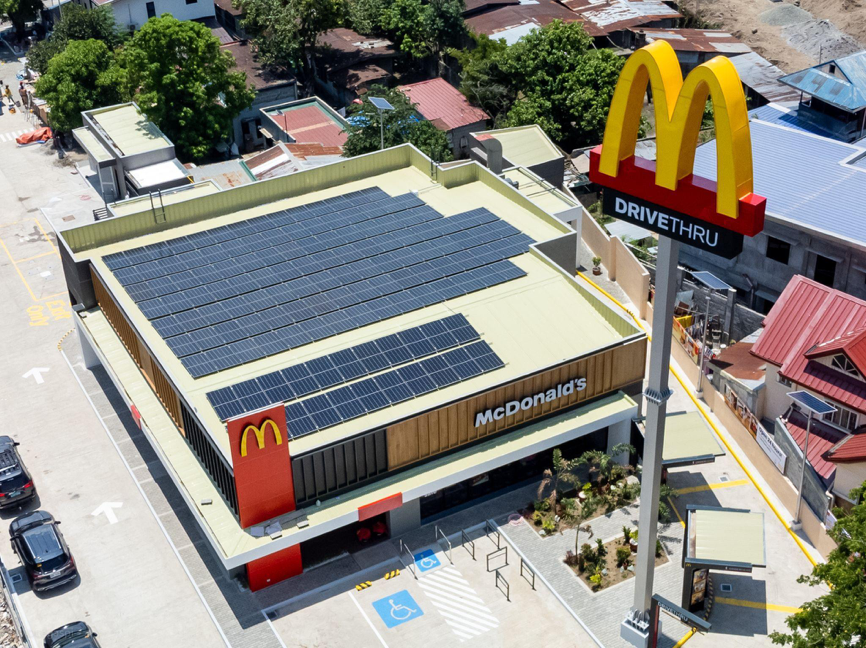
McDonald's will purchase 470,000 megawatt hours of renewable energy every year from Enel North America’s Blue Jay solar project in Texas to support all of the energy needs of its US logistics supply chain.
The fast-food giant and all five of its North American Logistics Council members, including Armada, Earp Distribution, Martin Brower, Mile Hi Food,s and The Anderson-DuBose Co, will also acquire renewable energy certificates (RECs) from Enel North America.
The renewable energy to be purchased is enough to avoid 170,000 metric tons of carbon emissions, or about 80 million trucking miles.
McDonald’s has been investing in renewable energy for years as part of broader environmental goals to become more sustainable.
The company has vowed to achieve “net zero emissions” by 2050 as part of an effort to limit the impact of climate change.
Supply chain emissions are particularly difficult to manage because a company can’t necessarily impact what its suppliers do.
And trucking in particular is a massive contributor to climate change, amounting for more than a quarter of all greenhouse gas emissions.
The solar energy to be purchased is enough to power the needs of 900 McDonald’s restaurants in the US every year.







