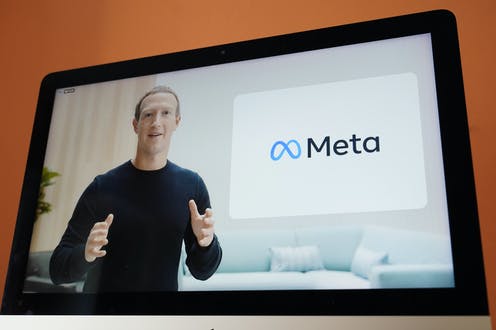
Meta CEO Mark Zuckerberg is facing renewed scrutiny after internal company documents revealed he approved policies that allowed minors to access AI chatbot companions, despite warnings from Meta’s own safety teams. The documents were filed publicly on Monday as part of a lawsuit brought by New Mexico Attorney General Raul Torrez, which is scheduled for trial next month.
The lawsuit alleges that Meta failed to adequately prevent children from being exposed to sexually explicit material and propositions through AI chatbots on Facebook and Instagram. According to the filing, internal emails and messages obtained during legal discovery show that Meta leadership, driven by Zuckerberg, rejected recommendations from integrity and safety staff to implement stronger safeguards for minors.
Meta launched its AI chatbot companions in early 2024, marketing them as conversational tools, including for companionship. However, safety staff raised concerns that the bots could be used for romantic or sexual interactions involving users under 18, often referred to internally as “U18s.” Ravi Sinha, Meta’s head of child safety policy, warned in January 2024 that creating underage romantic AI companions for adults was neither advisable nor defensible. Meta’s global safety head, Antigone Davis, echoed those concerns, noting such products could sexualize minors.
Internal messages cited in the lawsuit suggest Zuckerberg supported blocking explicit content for younger teens and preventing adults from engaging with underage romantic AI characters. However, meeting summaries from February 2024 indicate he also favored a less restrictive approach, emphasizing user choice, non-censorship, and allowing adults to have racier conversations about sex.
Further communications from March 2024 claim Zuckerberg rejected parental controls for AI chatbots, while teams continued developing romance-focused AI companions accessible to minors. Former Meta global policy chief Nick Clegg also expressed concern, warning that sexualized AI interactions could become the dominant use case for teenagers and spark societal backlash.
Meta spokesperson Andy Stone disputed the allegations, stating the New Mexico Attorney General selectively interpreted documents and that Zuckerberg clearly opposed explicit AI use for minors. Nonetheless, controversy intensified after reports from The Wall Street Journal and Reuters in 2025 detailed sexualized underage AI characters and permissive internal guidelines. Meta later acknowledged errors in those policies and said it has since removed teen access to AI companions entirely while developing a safer version.