


 Solidigm Taps Goldman, Morgan Stanley for $10 Billion US IPO
  Robinhood Chain Eyes Priority Gas Auctions for Faster Trades
  Zcash Plans Quantum-Resistant Security Upgrade for January
  Elon Musk Accuses Indian Telecom Giants of Blocking Starlink Launch
  Apple Supplier Luxshare Sees Limited Impact From US Patent Probe
  Moonshot AI Executives Seek Settlement Ahead of Hong Kong IPO
  Elon Musk Eyes Semiconductor Manufacturing Expansion With $15 Billion Terrafab Project
  Oracle Uses Trucked Natural Gas to Power AI Data Centers Amid Pipeline Delays
  Apple Names Steve Smith M&A Chief in Leadership Shakeup
  Nvidia’s China AI Chip Market Share Falls to 34% as Huawei Gains Ground
  Trump Buys Up to $25M in Meta Stock, Invests in SpaceX Debt
  Tencent Shares Fall as $5 Billion AI Bond Sale Weighed
  Jameson Lopp Downplays AI Threat to Bitcoin Cryptography
  Samsung, SK Hynix Shares Plunge as China Chip Competition Grows
  Epic Games Delays Disney Shooter, Shifts to AI-First Development
  Apple Cuts iPhone 18 Pro Production Orders Amid Weak Demand


 Add as a preferred source on Google
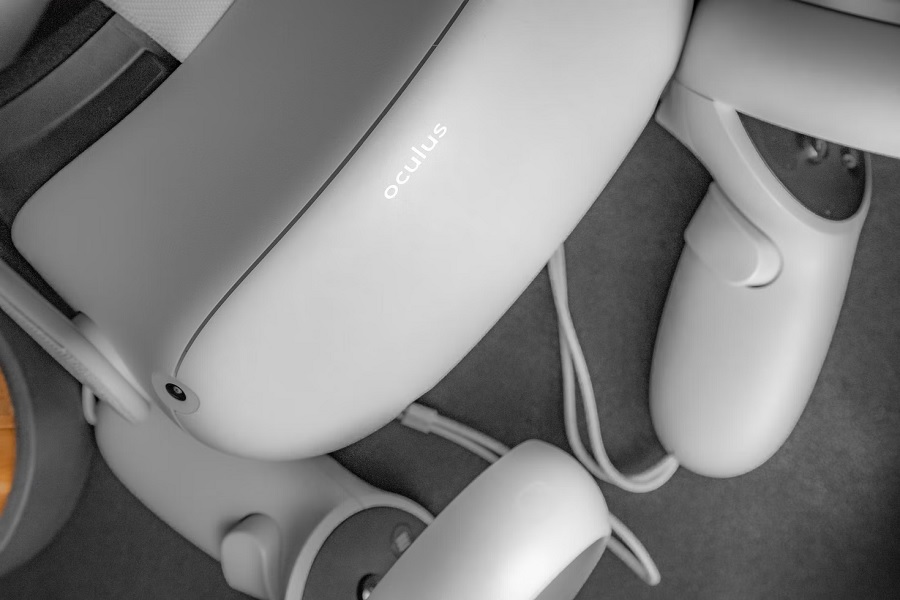
Meta, formerly known as Facebook, has been recently discussing its upcoming virtual reality headset, currently called Project Cambria. But a new report reveals that the company has more VR hardware in the works, including two new Quest-branded products that could be released in the next couple of years.
A roadmap of Meta’s future VR products has leaked in a report from The Information that said the company is planning to release four headsets through 2024. While VR fans have been looking forward to the release of the next gaming-focused hardware from the company, it appears that they will have to wait for a year or two to see such announcements.
The report noted that two of the four VR headsets Meta has in the pipeline will be new versions of Quest-branded products that are codenamed, Stinson and Cardiff. Other publications speculate that Stinson could be the long-awaited Quest 3 headset, which could be released sometime in 2023. Cardiff, on the other hand, is reportedly planned for a 2024 launch. However, a Meta representative has told The Information that “target ship dates to change during the course of development.”
Details about the rumored Quest VR headsets are still scarce as the report leaked roadmap provided more insight on the upcoming Project Cambria headset, which Meta CEO Mark Zuckerberg confirmed will be released later this year. The Information’s sources may have narrowed down its release window, suggesting that it could enter the market around September.
Last week, Zuckerberg provided more information on Project Cambria and emphasized that the VR headset is not primarily designed for gaming. The Meta CEO stated that the product will focus more on work-related purposes with the goal of “eventually replacing your laptop or work setup.”
“This premium device will have improved ergonomics and full color pass-through mixed reality to seamlessly blend virtual reality with the physical world,” Zuckerberg said during Meta’s Q1 2022 earnings call last week. The Project Cambria headset will reportedly cost $799 and is expected to deliver a higher resolution to deliver clearer images so that users can compose emails while in VR. Meta has also confirmed it is working on eye tracking and face tracking so that users’ avatars can make eye contact and facial expressions in the VR world.
Photo by Arthur Edelmans on Unsplash







