


 Hyperliquid (HYPE) Price Analysis: Can Bulls Push Above $88?
  Canton Network Expands in South Korea With Major Partnerships
  FxWirePro- Major Crypto levels and bias summary
  Apple Supplier Luxshare Faces US Patent Probe, Sees Limited Impact
  Amazon Cuts More Jobs as AI Investment Expands
  Oracle Uses Trucked Natural Gas to Power AI Data Centers Amid Pipeline Delays
  FAA Warns US Airlines Over Saudi Arabia Flight Risks
  DeFi Development Adds 22,070 SOL to Solana Treasury
  Jameson Lopp Downplays AI Threat to Bitcoin Cryptography
  Trump Buys Up to $25M in Meta Stock, Invests in SpaceX Debt
  TSMC Profit Set to Surge 65% as AI Chip Demand Drives Record Earnings
  Elon Musk Eyes Semiconductor Manufacturing Expansion With $15 Billion Terrafab Project
  Ripple-Backed Evernorth Set for Nasdaq Debut With 473 Million XRP
  Binance to Shut Down Crypto Mining Pool Services on November 10


 Add as a preferred source on Google
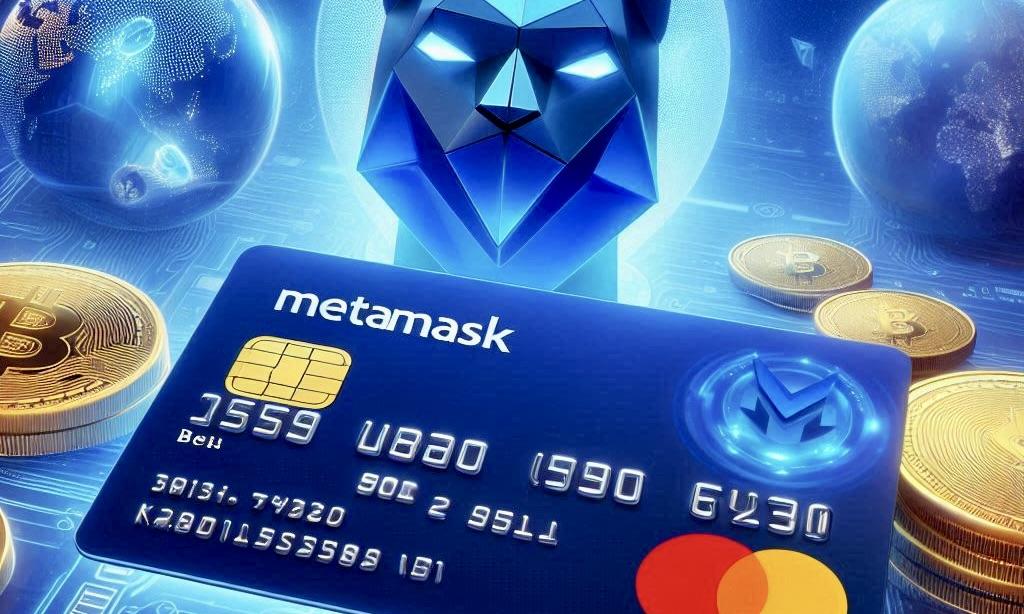
MetaMask, in partnership with Mastercard, has launched a new crypto debit card, allowing European users to make direct wallet payments and revolutionizing the ease of using digital assets for everyday transactions.
MetaMask Expands Digital Wallet Use
A crypto card that would connect digital assets to "daily life" has been introduced by MetaMask.
The partnership between the blockchain company Mastercard and Baanx Group to introduce the card is a watershed moment for digital assets. The main goal of the card is to enable users to make everyday purchases straight from their wallets using cryptocurrency.
Among the newest offerings in digital banking, the MetaMask Card is gaining tremendous support from the world of cryptocurrency.
This cryptocurrency card enables purchases straight from cryptocurrency wallets, in contrast to conventional cards that necessitate the transfer of funds to an intermediary before paying. Put another way, users would be able to hold on to their assets right up until the deal is finalized.
The card is accepted at millions of locations worldwide thanks to Mastercard's global network.
Baanx Group Brings Security to MetaMask Card
Incorporating Baanx Group's knowledge into the partnership allows for the development of safe and effective financial solutions. It improves Ethereum's Linea network even further in terms of speed and efficiency.
Lorenzo Santos, senior product manager at ConsenSys, emphasizes the card's function in enabling crypto adoption by removing obstacles that were supposedly impeding it. His other claims about the card include its status as a "paradigm shift" in the practical application of digital assets.
Simon Jones, chief commercial officer of Baanx, expressed the same opinion. He spoke highly of the most recent partnership with MetaMask, which will enable a financial revolution. He claimed that consumers would have more agency and independence with the crypto debit card since it would let them act as their own bank.
Per Coingape, at the moment, only a small subset of the EU and UK population will be able to use the card. To find out if they qualify, users in the area can go to the "Card" option in their MetaMask Portfolio. If they meet the requirements, users can load cryptocurrency onto their card and begin making quick purchases using Apple Pay or Google Wallet.
During this pilot phase, the Linea network will be compatible with numerous prominent cryptocurrencies, including USDC, USDT, and WETH. The card makes spending cryptocurrency as easy as using a regular debit card by doing away with the various processes required to convert Bitcoin to money.
MetaMask Plans Global Expansion
In the future, the company plans to make the card available in more locations, with worldwide aspirations.
The card aims to speed up the general acceptance of cryptocurrencies by providing a convenient and easy-to-use solution for everyday purchasing as it becomes more available.







