Mexico’s antitrust commission is set to review a proposed tie-up between low-cost airlines Viva Aerobus and Volaris, a move that has drawn positive remarks from President Claudia Sheinbaum and sparked interest across the aviation and tourism sectors. The planned deal, which would create a new low-cost airline group, is seen as a potentially transformative development for Mexico’s airline industry, even as regulators assess its compliance with competition laws.
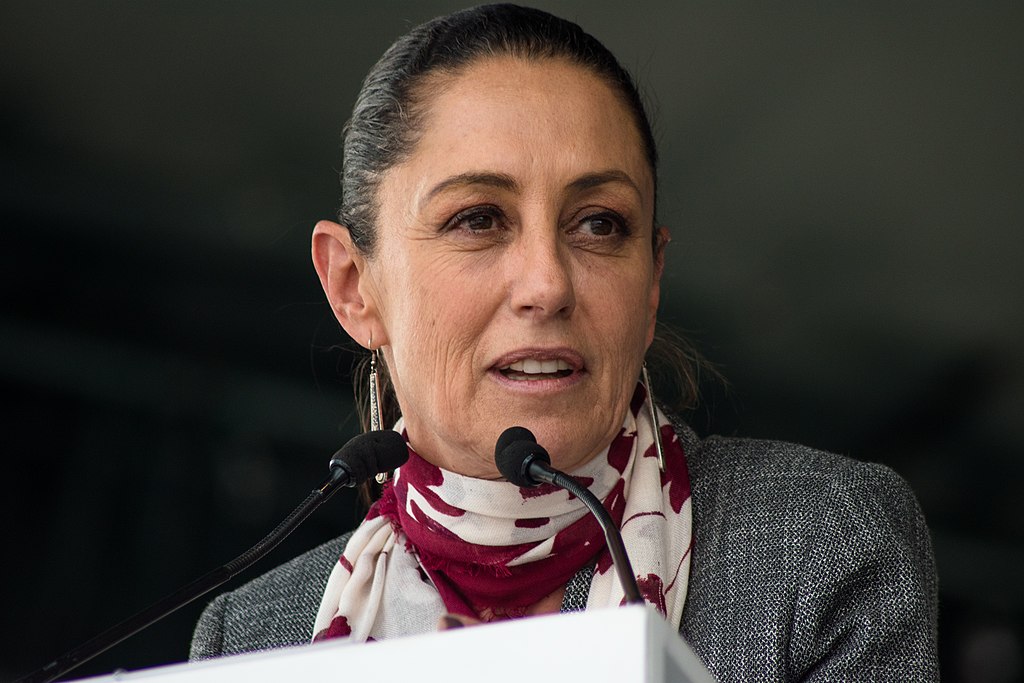
Speaking on Monday, President Sheinbaum emphasized that any merger or partnership must operate strictly within the legal framework established by Mexico’s antitrust regulations. However, she made clear that she views the planned Viva Aerobus and Volaris tie-up as good news for the country. According to the president, increased investment and consolidation among Mexican airlines can strengthen the domestic aeronautics industry and enhance its ability to compete regionally and globally.
Sheinbaum highlighted that a stronger low-cost airline group could boost tourism by expanding route networks, increasing flight frequencies, and offering more affordable travel options. She also noted that, contrary to concerns often associated with airline consolidation, the deal could foster greater competition with other domestic carriers as well as foreign airlines operating in Mexico. This, she said, could ultimately benefit consumers through better services and competitive pricing.
Reuters reported last week that Viva Aerobus and Volaris, currently Mexico’s two busiest airlines, had finalized an agreement to create a new low-cost airline group, making the review by the antitrust commission a crucial next step. The regulator’s decision will be closely watched by investors, industry analysts, and travelers alike, as it could reshape the competitive landscape of Mexico’s aviation market.
If approved, the deal may mark a significant milestone in the evolution of low-cost airlines in Mexico, reinforcing the country’s position as a key hub for air travel and tourism in Latin America.