


 Trump Orders Firing Squad Execution for Fort Hood Gunman
  France to Release 10 Million Barrels of Diesel to Ease Fuel Prices
  US, Greece Launch New Counterterrorism Security Program
  Trump Weighs FBI Probe Into Nolan Wells’ Death
  Pentagon Launches Autonomous Warfare Command
  Zelenskiy Warns Russia Is Preparing Massive Attack on Ukraine
  Mike Rogers Calls for End to US-Canada Tariff War
  JD Vance Says Iran Must Cut Nuclear Enrichment to End War
  OpenAI, Anthropic Back Mandatory AI Breach Reporting in Australia
  US-Led Coalition Targets Global Factory Overcapacity
  US Waives $320M Egypt Military Aid Conditions After Iran War Role
  France Student Protests Intensify Nationwide
  Rapidus Seeks Chip Customers as Japan Pushes 2nm Semiconductor Revival
  Saudi Arabia Probes Flydubai Cockpit Attack
  US Alcohol Ban Exposes Canada’s Internal Trade Barriers
  Russia Targets Danish Ukraine Suppliers in Sabotage Campaign


 Add as a preferred source on Google
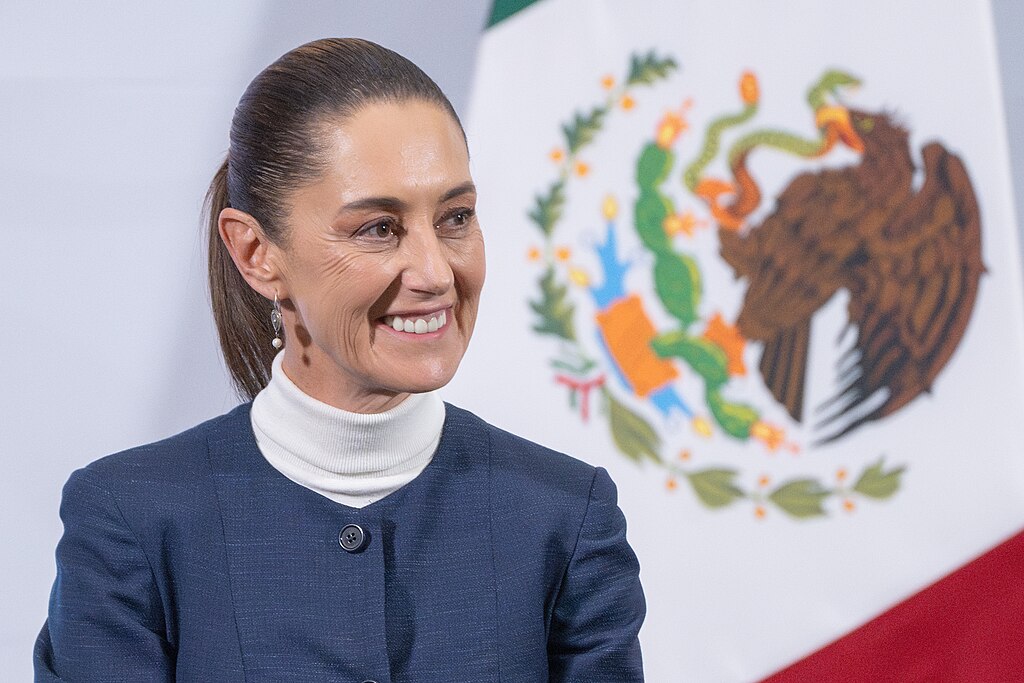
Mexico’s new constitutional reform barring dual citizens from running for president and other top executive positions takes effect Wednesday, drawing criticism from opposition figures who argue the measure could restrict political participation.
President Claudia Sheinbaum proposed the reform in late August, describing it as a safeguard against potential foreign interference in Mexican politics. The restrictions will cover presidential candidates, state governors and the mayor of Mexico City.
Although the reform takes effect this week, its eligibility requirements will apply beginning in 2028. Candidates with dual nationality who want to seek one of the affected offices will have to renounce their non-Mexican citizenship or other foreign nationality ties before entering a race.
Mexico’s midterm elections next year, including contests for several governorships, will not be affected by the new rules.
“Today we signed the decree ... No president or governor may hold dual citizenship,” Sheinbaum said during her daily press conference, adding that the legislation would be published in Mexico’s official gazette.
The measure passed with support from lawmakers and senators belonging to Sheinbaum’s ruling Morena party and its political allies. Critics, however, contend that Mexico’s Constitution already contains nationality requirements for senior government positions and accuse the ruling coalition of attempting to limit potential opposition candidates.
The opposition National Action Party, or PAN, also questioned why the restrictions apply to executive positions while members of Congress are permitted to hold additional nationalities.
Critics say the Mexico dual citizenship reform could particularly affect Mexicans who previously migrated abroad and acquired citizenship in countries such as the United States before returning home.
Larry Rubin, president of the American Society of Mexico and a dual U.S.-Mexican citizen, criticized the measure on X, arguing that loyalty to Mexico should be judged by a person’s conduct, record and respect for the Constitution rather than the number of passports they hold.
Mexico is not alone in imposing such restrictions. Cuba, Nicaragua and Venezuela also prohibit their presidents from holding another nationality.







