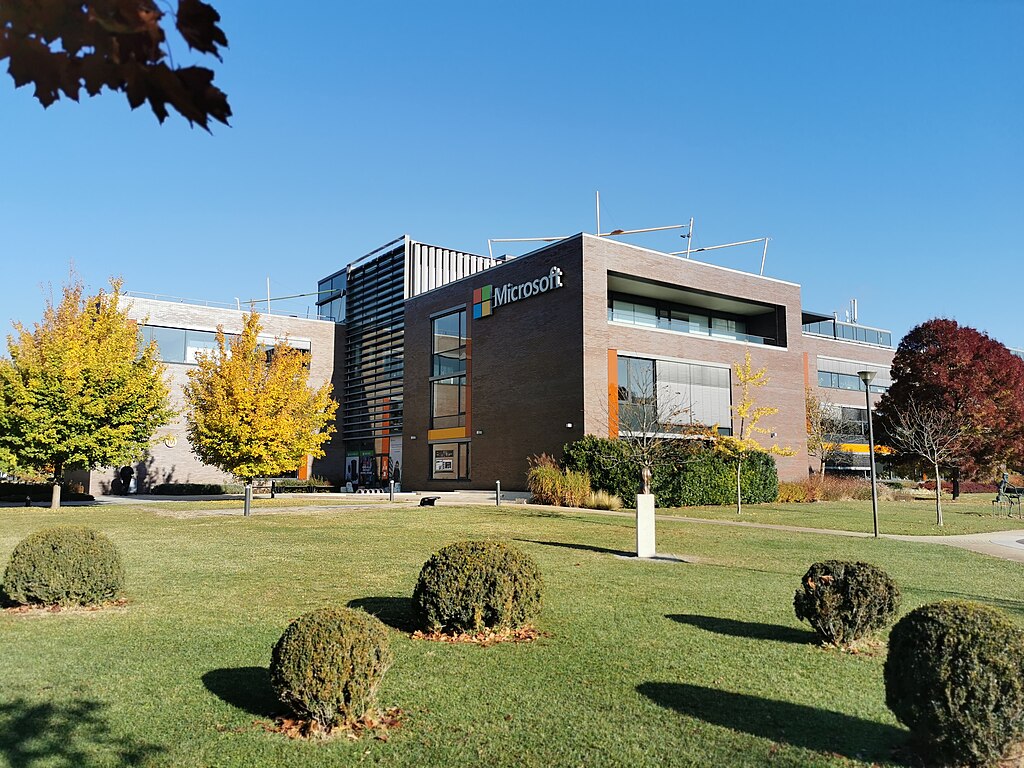
Microsoft has taken another major step toward its climate ambitions by agreeing to purchase a record 2.85 million soil carbon credits from Indigo Carbon, marking the largest regenerative agriculture-based carbon removal deal to date in the United States. The 12-year agreement underscores Microsoft’s commitment to becoming carbon negative by 2030, even as its overall emissions continue to rise due to growing energy demands from artificial intelligence and cloud computing.
Although Microsoft did not officially disclose the financial terms, sources familiar with the deal estimate the price falls between $60 and $80 per ton, consistent with Indigo Carbon’s historical pricing. This places the total value of the agreement at approximately $171 million to $228 million, further cementing Microsoft’s position as the world’s largest buyer of carbon removal credits.
The credits are generated through regenerative farming practices such as reduced tillage, planting cover crops, and managed livestock grazing. These methods help improve soil health, enhance water retention, and increase the soil’s capacity to capture and store carbon dioxide from the atmosphere. Indigo Carbon works directly with farmers to identify suitable land, implement emissions-reducing practices, and verify the resulting carbon removals before credits are sold on the voluntary carbon market.
Demand for soil carbon credits has surged in recent years. Market intelligence firm Sylvera noted growing corporate interest, including Microsoft’s previous purchase of 2.6 million credits from Agoro Carbon, which previously held the record for the largest deal of its kind. According to Indigo Carbon, farmers benefit significantly, receiving 75% of the average weighted price of each issued credit, creating a strong financial incentive to adopt sustainable agricultural practices.
Microsoft emphasized that Indigo’s science-based verification and transparent payment model were key factors in the partnership. The tech giant aims to remove more carbon from the atmosphere than it emits globally, a strategy that relies heavily on high-integrity carbon removal solutions.
While many climate scientists argue that carbon removal projects are essential to offset emissions from hard-to-abate sectors, critics continue to raise concerns about long-term measurement accuracy and permanence. Despite the debate, Microsoft’s latest deal highlights the growing role of regenerative agriculture and soil carbon credits in corporate climate strategies.