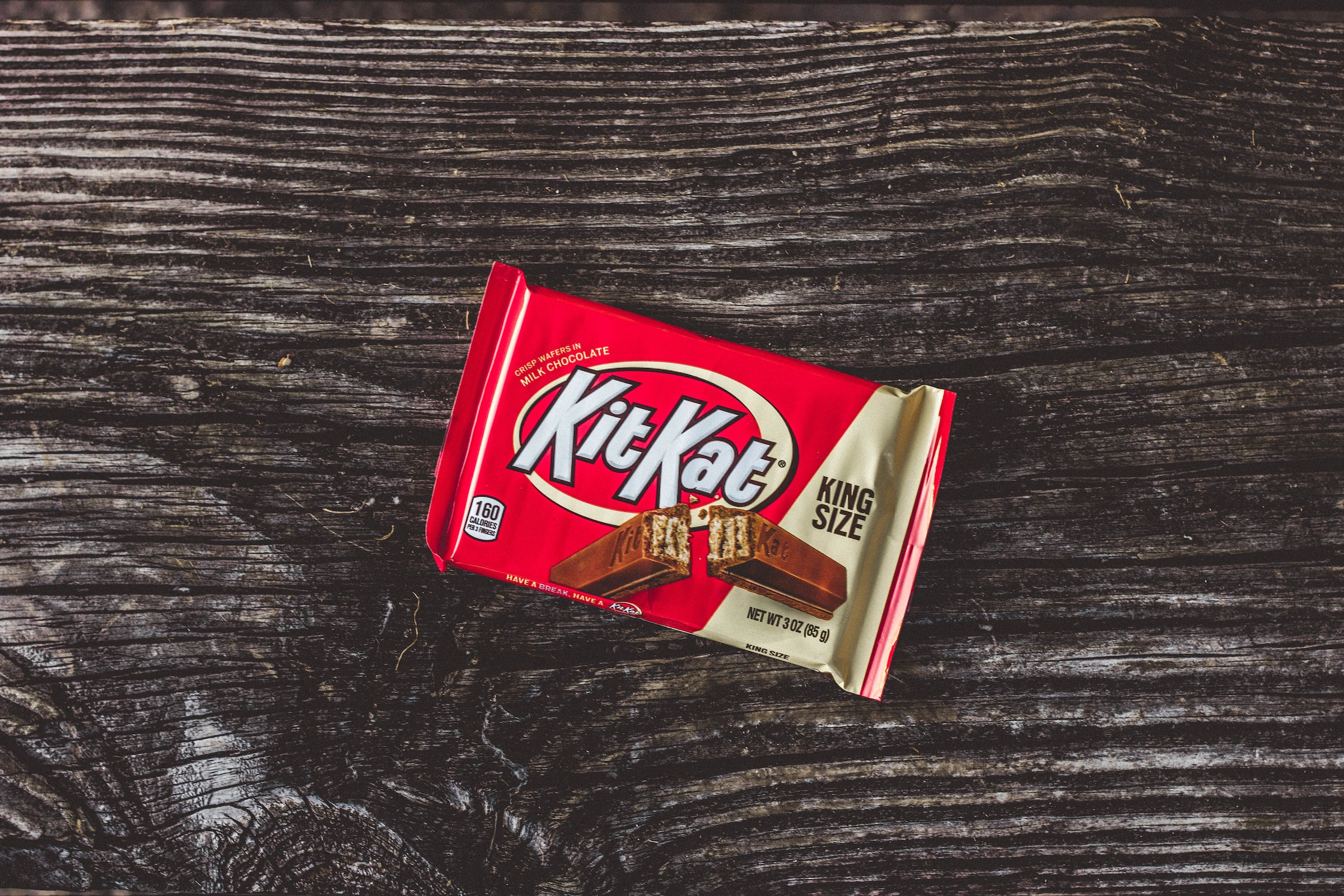
Marking 50 years in Japan, Nestlé unveils the "Perfect KitKat" after a three-year global endeavor. With a fresh take on chocolate and wafers, this iteration matches the present-day love for deep cacao tastes. Beyond the enhanced cacao richness, Nestlé's extensive research led to a revamped wafer recipe, setting a new gold standard. Dive into how this iconic treat, synonymous with breaks since 1973, has been reinvented for modern palates.
During this extensive renewal, Nestlé analyzed modern consumers' preferences for chocolate. The company discovered that testers favored milk chocolate, particularly when the cacao flavor was rich. As a result, the perfected KitKat now boasts increased cacao content.
Nestlé also focused on perfecting the wafer recipe without stopping at the cacao content. This involved modifying everything from the dough fermentation process to the distribution of wafers and chocolate within the final product.
The newly perfected wafer is not only featured in the original Japanese KitKat Minis but also the "Sweetness for Adults" series, known for its slightly more bitter flavors such as "Rich Matcha" and "Whole-Wheat Flour Biscuits."
Initially introduced in the UK in 1935, the iconic KitKat has gained popularity worldwide, available in over 80 countries. However, it is in Japan where KitKat has become synonymous with a much-needed break since its debut in 1973.
The name "KitKat" itself holds a special meaning in Japan, as it echoes the phrase "kitto katsu," translating to "You'll definitely win." This association has made KitKat a well-known good luck charm for exam takers and athletes.
Nestlé Japan has unveiled a range of new flavors and enhancements to honor its Japanese heritage and continuous success. Over the past half-century, KitKat Japan has introduced over 400 flavors, including various regional and seasonal options. From Shinshu apple to wasabi, there's something for everyone's taste buds.
Photo: Justin / Unsplash