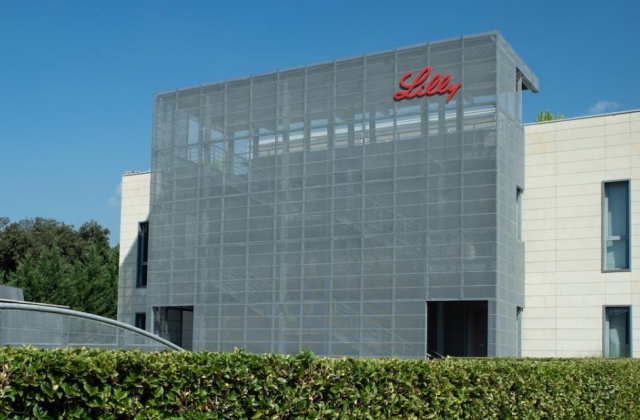
The race to develop muscle-preserving treatments alongside popular obesity drugs like Eli Lilly’s (NYSE:LLY) Zepbound and Novo Nordisk’s (NYSE:NVO) Wegovy is gaining momentum, with analysts at TD Cowen forecasting sales could exceed $30 billion by 2035. These obesity drugs, which target the GLP-1 protein to suppress appetite, have revolutionized weight loss—but concerns about associated muscle loss are driving a new wave of drug innovation.
Around a dozen companies are now developing therapies to counteract muscle loss, many in combination with Zepbound or Wegovy. Early-stage success from experimental treatments by Regeneron (NASDAQ:REGN) and Scholar Rock has already caught Wall Street’s attention. Investors are particularly focused on Eli Lilly’s bimagrumab, an experimental drug for preserving muscle mass, with key mid-stage trial data expected next week.
The overall obesity drug market is projected to reach $150 billion annually by the early 2030s. Analysts stress that preserving lean muscle is critical to ensuring sustainable weight loss and improved long-term health outcomes, as muscle plays a key role in strength and metabolic health. TD Cowen’s Tyler Van Buren noted that the first of these muscle-preserving therapies could hit the market as early as 2028, though regulatory hurdles remain due to the need to demonstrate clear additional health benefits.
Some of the most promising candidates target the myostatin protein, known for its role in regulating muscle growth. These are expected to dominate the market due to superior safety profiles. Others that target the activin protein may be used in higher-risk patients, with projected sales reaching $5 billion by 2035. As GLP-1 drugs become more widely adopted, demand for supportive muscle-preserving treatments is expected to surge.