


 U.S. Imposes New Visa Restrictions Over South Africa Policies
  US Judge Dismisses Imran Ahmed Deportation Lawsuit
  France Targets Shein, Temu With Fast-Fashion Fees
  Texas Republicans Turn Against AI Data Centers as Election Backlash Grows
  Banking scandal rocks Brazil’s politics and the country’s presidential election in October
  Trump Administration Removes Confederate Memorial Criticism From Arlington Website
  FDA Weighs Safety Standards for Psychedelic Therapies
  Rodrigo Duterte Makes First Public Appearance at ICC in 18 Months
  Synthetic data could ease people’s concerns about privacy breaches. But who gets to create it?
  Nvidia CEO Jensen Huang Expected at Trump-Xi State Dinner
  Ukraine Tests New Anti-Drone Weapon After Successful Shahed Intercept
  Guterres Urges Stronger Global AI Safeguards Ahead of UN Assembly
  SEC Probes Banks Over Situational Awareness Hedge Fund Collapse
  North Korea Vows to Expand Nuclear Arsenal Amid U.S.-Led Military Buildup
  Trump Threatens EU Tariffs Over Canada Membership Proposal
  Australia Tightens Student Visa Rules, Targets Migration Cut by 2028
  Australia Defends Social Media Algorithm Law Amid US Concerns


 Add as a preferred source on Google
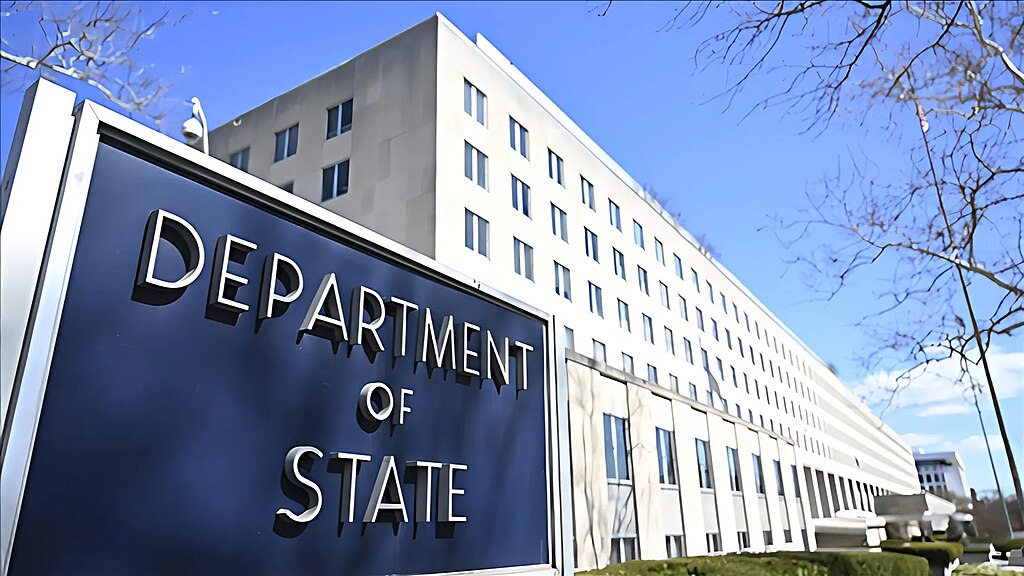
The United States has begun facilitating charter evacuation flights for American citizens stranded across the Middle East after the escalating U.S.-Israel military strikes on Iran severely disrupted global aviation and regional airspace. The State Department confirmed Tuesday that charter flights are being organized from the United Arab Emirates, Saudi Arabia, and Jordan to assist Americans seeking to leave the region.
The evacuation effort comes days after the conflict between Israel, the United States, and Iran erupted, triggering widespread travel chaos, airport shutdowns, and soaring ticket prices. Major aviation hubs, including Dubai International Airport — the world’s busiest international airport — remain closed for several days, leaving thousands of travelers stranded and complicating evacuation plans for foreign nationals.
According to U.S. Secretary of State Marco Rubio, around 1,500 American citizens have requested assistance with departing the Middle East. The State Department is working to expand available evacuation options by coordinating additional charter flights, negotiating with commercial airlines to deploy larger aircraft, and exploring the use of military transport planes for emergency departures.
Assistant Secretary for Global Public Affairs Dylan Johnson confirmed that officials are actively seeking military aircraft that could transport Americans out of the region if security conditions allow. However, the rapid escalation of the Iran conflict and the closure of multiple airspaces across the Gulf have significantly limited available travel routes.
The situation has triggered sharp criticism from U.S. lawmakers who argue that the government failed to act quickly enough to warn Americans about the risks. Some lawmakers claim that evacuation advisories were issued too late, after airspace closures had already begun and commercial travel options had become scarce.
The State Department had earlier urged Americans in 14 Middle Eastern countries to leave the region using commercial transportation where available. However, U.S. embassies initially said they were unable to provide direct evacuation assistance, prompting criticism from both Democratic and Republican officials.
Meanwhile, the conflict has intensified regional instability. Iranian drones reportedly struck the U.S. Embassy compound in Saudi Arabia overnight, heightening fears of further retaliation. Oil markets also reacted to the growing conflict, with global crude prices jumping about 6% as concerns over energy supply disruptions spread.
The U.S. Embassy in Jerusalem has advised American citizens that they may use Israeli government shuttles traveling to the Taba border crossing into Egypt. However, officials warned that the U.S. government cannot guarantee the safety of the route and cannot formally recommend the option.
The State Department has also ordered the departure of non-essential personnel and family members from U.S. diplomatic missions in Bahrain, Qatar, Kuwait, the United Arab Emirates, and Jordan. Similar evacuation measures were previously implemented at U.S. embassies in Israel and Lebanon.
As tensions between Iran, Israel, and the United States continue to escalate, Washington is racing to secure safe travel options for Americans while navigating rapidly deteriorating security conditions and ongoing disruptions to Middle East air travel.







