NASA said Oct. 26 it had completed integration and testing of the solar array on the NEO Surveyor sunshade, advancing a spacecraft designed to find potentially hazardous asteroids and comets.
The structure stands 20 feet (6 meters) tall and is 8 feet (2.4 meters) wide at its base. Its two panels sit at a 23.5-degree angle and hold 864 linked solar cells. NASA says the array can generate up to 2 kilowatts, enough to meet the spacecraft’s electrical needs, including charging its batteries and running onboard systems.
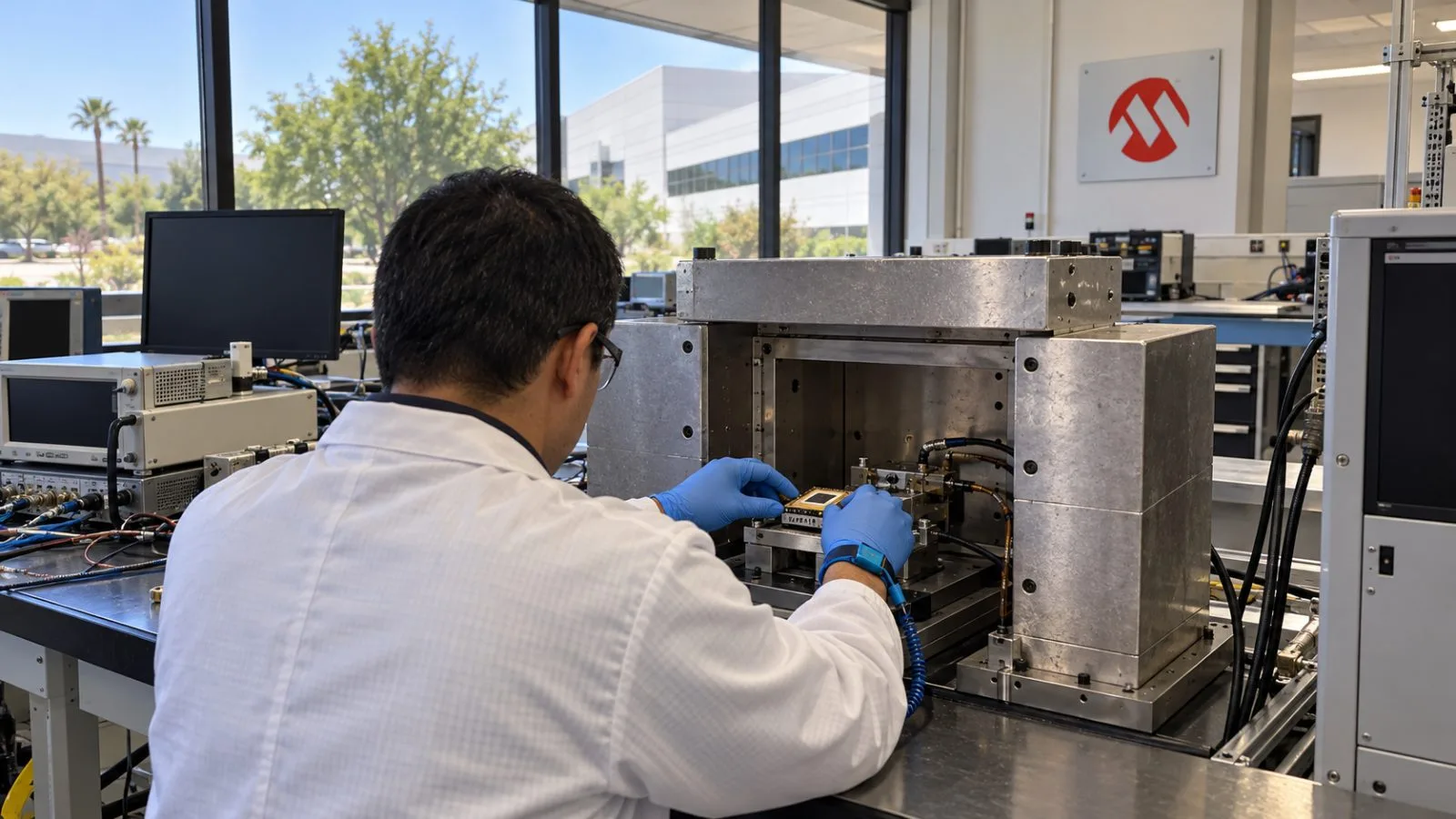
The sunshade and array completed environmental testing in March at a thermal-vacuum facility in El Segundo, California, NASA said. The assembly arrived at BAE Systems Space & Mission Systems in Boulder, Colorado, in May, ahead of schedule. A technician inspected it in a clean room in late July. Applied Aerospace built the sunshade, and SolAero Technologies installed its solar cells in January.
NASA describes NEO Surveyor as its first space telescope built specifically to detect asteroids and comets that could threaten Earth. Its infrared system is intended to find some near-Earth objects that are difficult to observe from the ground, including those approaching from the Sun’s direction. The team will compare matched views of a region in two infrared bands; the resulting temperature reading can help estimate an object’s size.
A June 2025 report by NASA’s Office of Inspector General said funding constraints prompted a 2022 replan. The replan revised the mission’s baseline cost estimate from $1 billion to $1.6 billion, which the report identifies as the Agency Baseline Commitment, and shifted the projected launch from 2026 to no later than June 2028. NASA’s mission page lists launch no earlier than September 2027.