


 JPMorgan CEO Jamie Dimon Warns Mythos AI Raises Cyber Risk Tenfold
  OpenAI Revenue Hits $50 Billion, Below Earlier $70 Billion Estimate
  Zcash Plans Quantum-Resistant Security Upgrade for January
  Eli Lilly’s Inluriyo Gains FDA Approval for Advanced Breast Cancer Treatment
  Micron Shares Rise 4% Despite Taiwan Strike Risk
  Zcash Privacy Demand Rises as AI Exposes Bitcoin Transactions
  NASA and Roscosmos Chiefs Meet in Florida to Discuss Moon and ISS Cooperation
  Trump Signs Executive Order to Boost AI Research in Childhood Cancer
  Jameson Lopp Downplays AI Threat to Bitcoin Cryptography
  Trump and Merck KGaA Partner to Slash IVF Drug Costs and Expand Fertility Coverage
  US Suspends Microsoft, Adobe From Green Card Program
  Europol Warns Bitcoin Wallets Face Quantum Computing Risk
  SpaceX Delays Starship V3 Launch Ahead of Potential Record IPO
  Trump Administration to Launch Autism Initiatives Targeting Acetaminophen Use and New Treatment Options
  SpaceX Pivots Toward Moon City as Musk Reframes Long-Term Space Vision
  OpenAI Annualized Revenue Hits $50 Billion, Below Earlier Estimates


 Add as a preferred source on Google
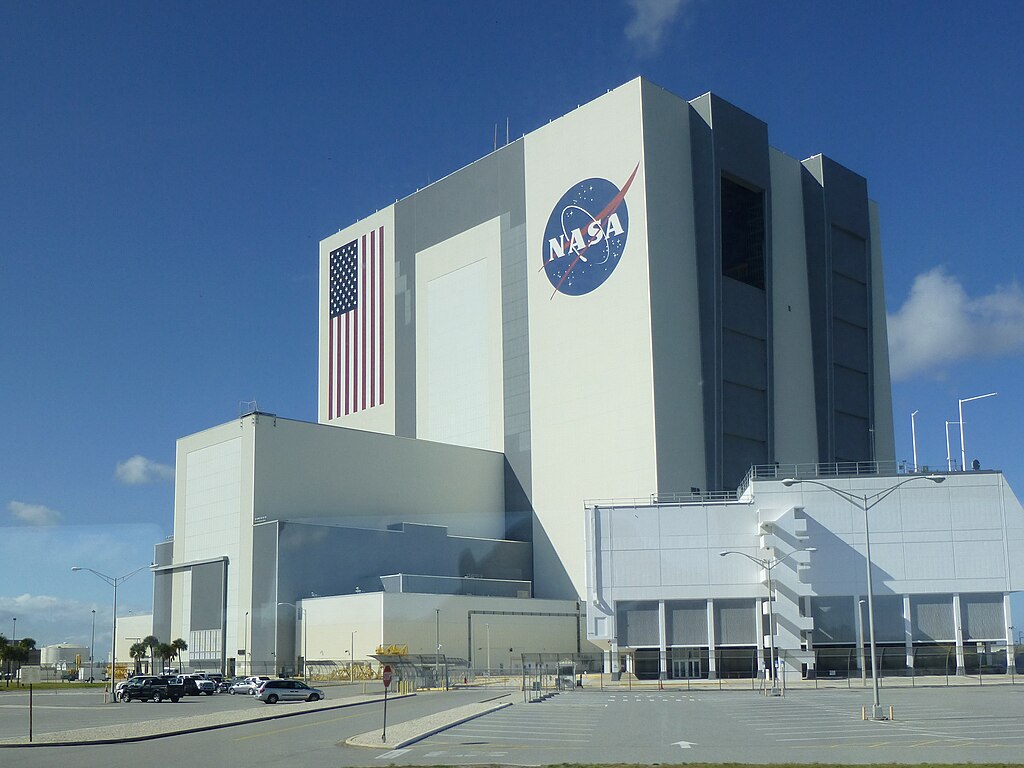
NASA confirmed it has resumed plans to dock Northrop Grumman’s Cygnus XL spacecraft with the International Space Station (ISS) after resolving an engine shutdown issue. The problem, which occurred shortly after launch, was traced to a “conservative safeguard” in the spacecraft’s software settings.
The Cygnus XL, launched on Sunday, is carrying 11,000 pounds (4,990 kg) of cargo, including science experiments, crew supplies, and essential hardware for the orbiting laboratory. Following the software adjustment, NASA stated that the spacecraft is operating as expected and is on track for docking with the ISS at approximately 7:18 a.m. EDT on Thursday.
This mission highlights the critical role of commercial cargo resupply services in supporting space exploration. Northrop Grumman’s Cygnus spacecraft has become a reliable workhorse for NASA, regularly delivering vital supplies to astronauts aboard the ISS. The latest flight underscores the importance of software safeguards in modern spacecraft, ensuring mission safety even when unexpected conditions arise.
NASA emphasized that the initial shutdown was not caused by a hardware fault but rather by precautionary programming designed to protect the spacecraft. Once engineers verified the system’s stability, the docking procedure was cleared to continue as planned.
The Cygnus XL mission is part of NASA’s ongoing partnership with private aerospace companies to sustain operations aboard the ISS. With growing international collaboration and commercial involvement, resupply missions like this are essential for advancing long-duration human spaceflight.
As NASA looks toward future lunar and Mars missions, reliable cargo delivery to the ISS remains a cornerstone of testing new technologies and maintaining astronaut health and safety in space.







