


 US, EU Push for Action Against Asia’s Excess Factory Capacity
  US-Taiwan Ties Remain Strong as Taipei Urges Timely Arms Deliveries
  Saudi Arabia Probes Flydubai Cockpit Attack
  Venezuela’s Machado Calls for Elections by July 2027
  Trump Buys Up to $25M in Meta Stock, Invests in SpaceX Debt
  Marco Rubio Warns Russia-Ukraine War Could Spark Wider Conflict
  Flavio Bolsonaro Leads Lula 49%-45% in Brazil Runoff Poll
  US, Greece Launch New Counterterrorism Security Program
  Iran Refuses to Halt Uranium Enrichment Amid US Nuclear Demands
  Trump Says He Deserves 2026 Nobel Peace Prize Despite Uncertain Chances
  Mexico Bars Dual Citizens From Presidential Races Starting in 2028
  Tsai Warns of China’s Sustained Pressure on Taiwan
  US-Led Coalition Targets Global Factory Overcapacity
  US Suspends Microsoft, Adobe From Green Card Program
  Maduro, Wife May Face New US Torture Charges
  Trump Rallies in Texas as Republicans Face Tight Midterm Races
  Berlin Coalition Talks Advance After Left Party Antisemitism Deal


 Add as a preferred source on Google
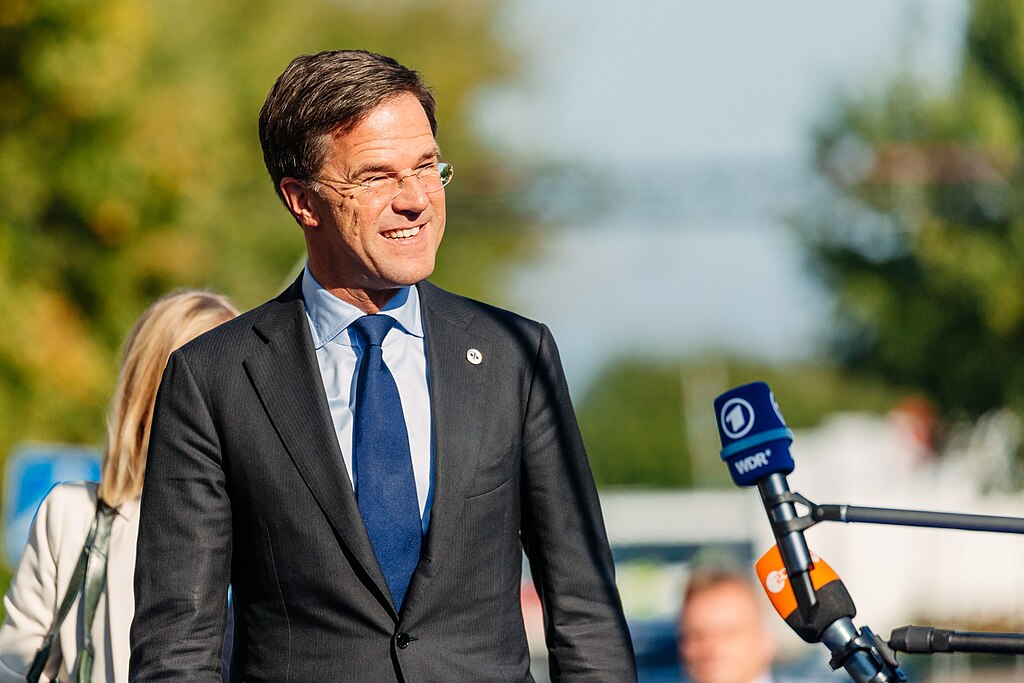
NATO Secretary-General Mark Rutte said the question of Greenland’s sovereignty did not arise during his recent discussions with U.S. President Donald Trump, signaling a shift in tone after Trump stepped back from earlier threats involving tariffs and military force. Rutte made the remarks during an interview on Fox News’ “Special Report with Bret Baier,” following a high-profile meeting with the U.S. president.
Earlier the same day, Trump appeared to ease tensions surrounding Greenland, an autonomous territory within the Kingdom of Denmark, by ruling out the use of military force and backing away from tariff threats that had been floated as leverage. He suggested instead that a potential agreement could be reached with Western Arctic allies over the strategically important island, which is home to around 57,000 people and hosts a key U.S. airbase.
Trump indicated that any future framework could align with his broader security goals, including the development of a “Golden Dome” missile-defense system and securing access to critical minerals. He also emphasized the importance of countering growing Russian and Chinese activity in the Arctic, a region increasingly seen as vital due to climate change, emerging shipping routes, and natural resources.
When asked directly whether Greenland would remain under Danish sovereignty as part of any new deal mentioned by Trump, Rutte said the issue “did not come up anymore” in his conversations with the president. He added that Trump’s primary focus was on protecting the wider Arctic region amid heightened geopolitical competition. According to Rutte, the discussion centered on ensuring security and stability in an area where strategic interests are rapidly evolving.
Greenland and Denmark have repeatedly stated that the island is not for sale, reinforcing their position amid past comments by Trump suggesting the United States should own the territory. Both Denmark and the United States are NATO members, and the issue has drawn significant international attention due to its implications for Arctic security and alliance unity.
Trump’s foreign policy approach, particularly regarding territorial influence, has been described by some experts as imperialist, though his latest comments suggest a more diplomatic path forward on Greenland, focused on cooperation rather than coercion.







