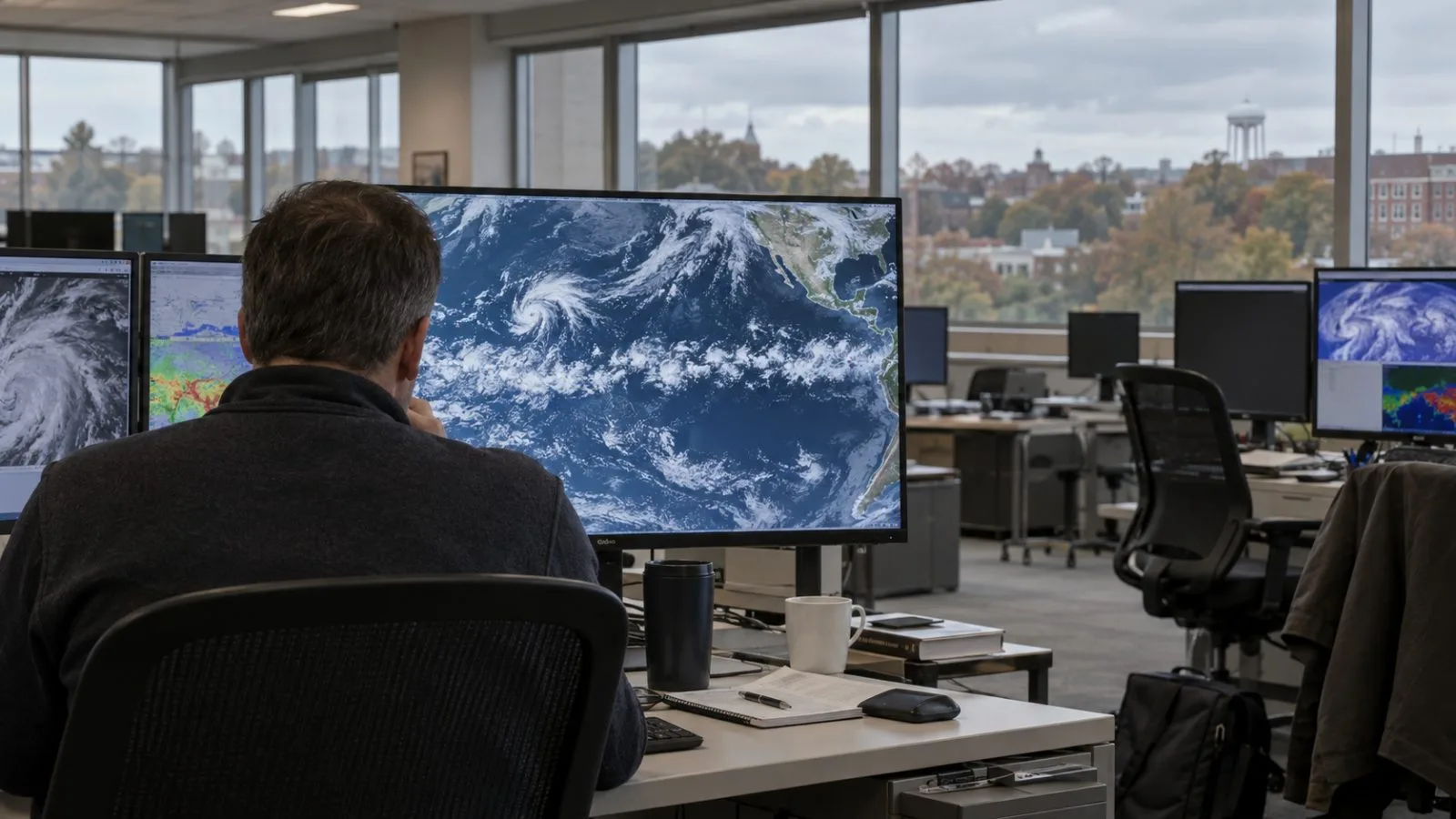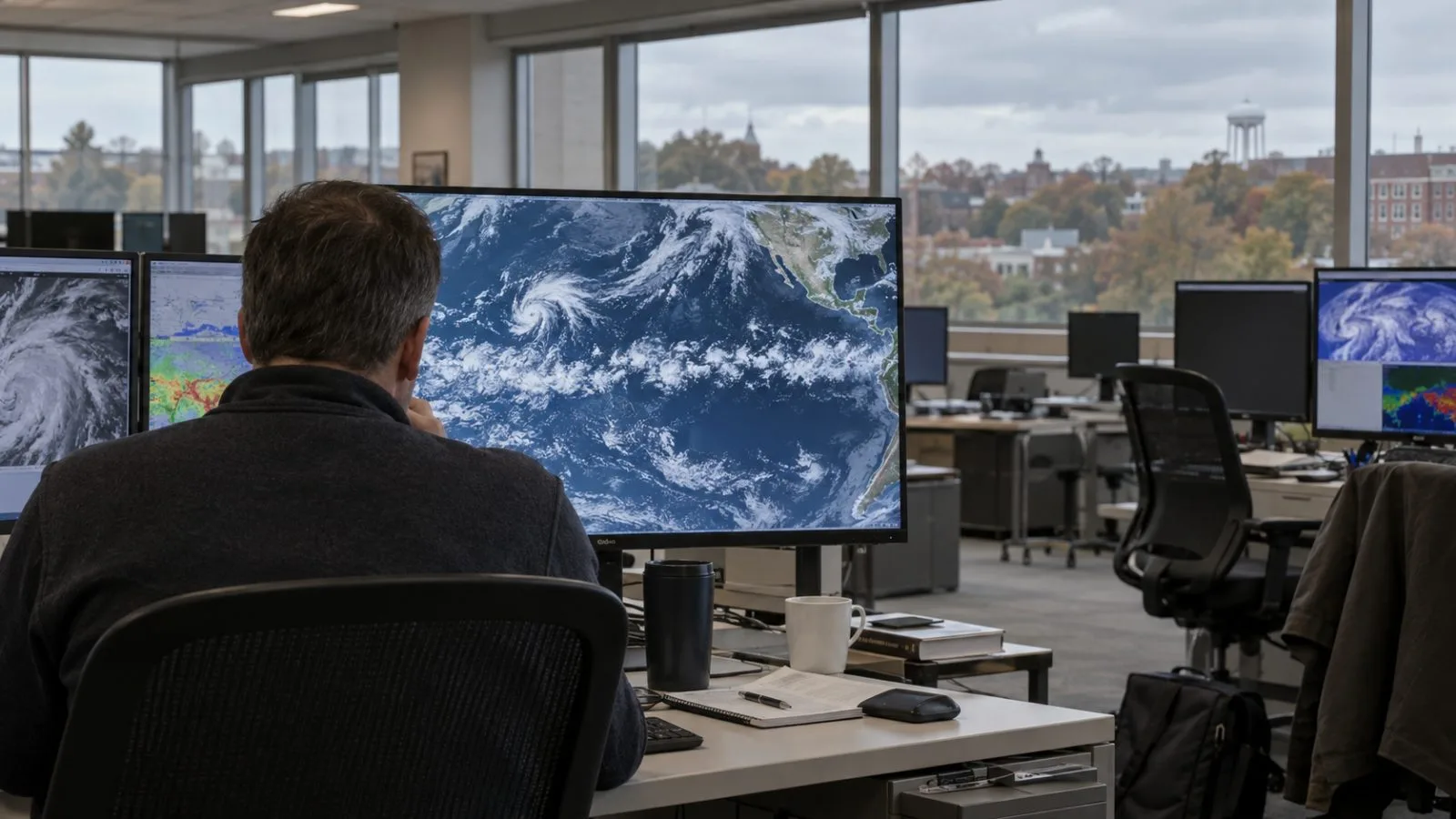
The National Oceanic and Atmospheric Administration (NOAA) sees higher odds of above-average precipitation across the U.S. South and East this winter, a forecast the Red Cross says could complicate recovery for families still rebuilding.
NOAA's outlook covers December 2026 through February 2027. It tilts wetter across much of the southern tier and East Coast, with the wetter area extending from the Southwest to the Southeast. NOAA describes seasonal probabilities, not specific local outcomes; it does not identify which communities will face damaging weather or how much rain they may receive. Parts of the northern Rockies have a drier-than-average outlook.
NOAA says a very strong El Niño can send the jet stream along a route that makes stormier conditions more likely in southern states. Added rain or snow may ease drought in some areas, but heavy precipitation on dry ground can be dangerous. “Too much precipitation on dry soil can fuel destructive flash floods and mudslides,” said Ken Graham, director of NOAA’s National Weather Service.
The Red Cross said flood recovery is still underway for families in Arizona, New Mexico, Colorado and Florida. It warned that heavy rain in parts of the West could trigger flash floods and mudslides, especially near wildfire burn scars. NOAA forecasts drier-than-average conditions in parts of the northern Rockies; the Red Cross said drier weather farther north could prolong the period of wildfire danger.
The Red Cross said its volunteers and partners responded to 10% more events it calls “big disasters” from January through October than the average for those months over the previous three years. The comparison includes California wildfires in 2025, Hurricanes Helene and Milton in 2024, and Hawaii wildfires in 2023. Terry Stigdon, regional executive for the Red Cross, said, “The time between disasters is shrinking.”
The Associated Press reported Nov. 2 that flash floods prompted evacuations in northern New Mexico and central Arizona on Nov. 1, while a Colorado ski town prepared for a rising river. The AP also reported that scientists cautioned against attributing any single storm to El Niño alone.
NOAA’s Climate Prediction Center said Nov. 12 that El Niño had a greater than 79% chance of remaining strong to very strong through January-March 2027. The center’s next ENSO Diagnostic Discussion is scheduled for Dec. 10.