


 Apple Supplier Luxshare Sees Limited Impact From US Patent Probe
  Oracle Uses Trucked Natural Gas to Power AI Data Centers Amid Pipeline Delays
  Samsung, SK Hynix Shares Plunge as China Chip Competition Grows
  Apple Names Steve Smith M&A Chief in Leadership Shakeup
  Robinhood Chain Eyes Priority Gas Auctions for Faster Trades
  Solidigm Taps Goldman, Morgan Stanley for $10 Billion US IPO
  OpenAI Revenue Hits $50 Billion, Below Earlier $70 Billion Estimate
  Elon Musk Accuses Indian Telecom Giants of Blocking Starlink Launch
  OpenAI Annualized Revenue Hits $50 Billion, Below Earlier Estimates
  Amazon in Talks to Acquire AI Startup Decart for $7 Billion
  Moonshot AI Executives Seek Settlement Ahead of Hong Kong IPO
  Tencent Shares Fall as $5 Billion AI Bond Sale Weighed
  Elon Musk Eyes Semiconductor Manufacturing Expansion With $15 Billion Terrafab Project
  Amazon Cuts More Jobs as AI Investment Expands
  Trump Buys Up to $25M in Meta Stock, Invests in SpaceX Debt
  US Suspends Microsoft, Adobe From Green Card Program


 Add as a preferred source on Google
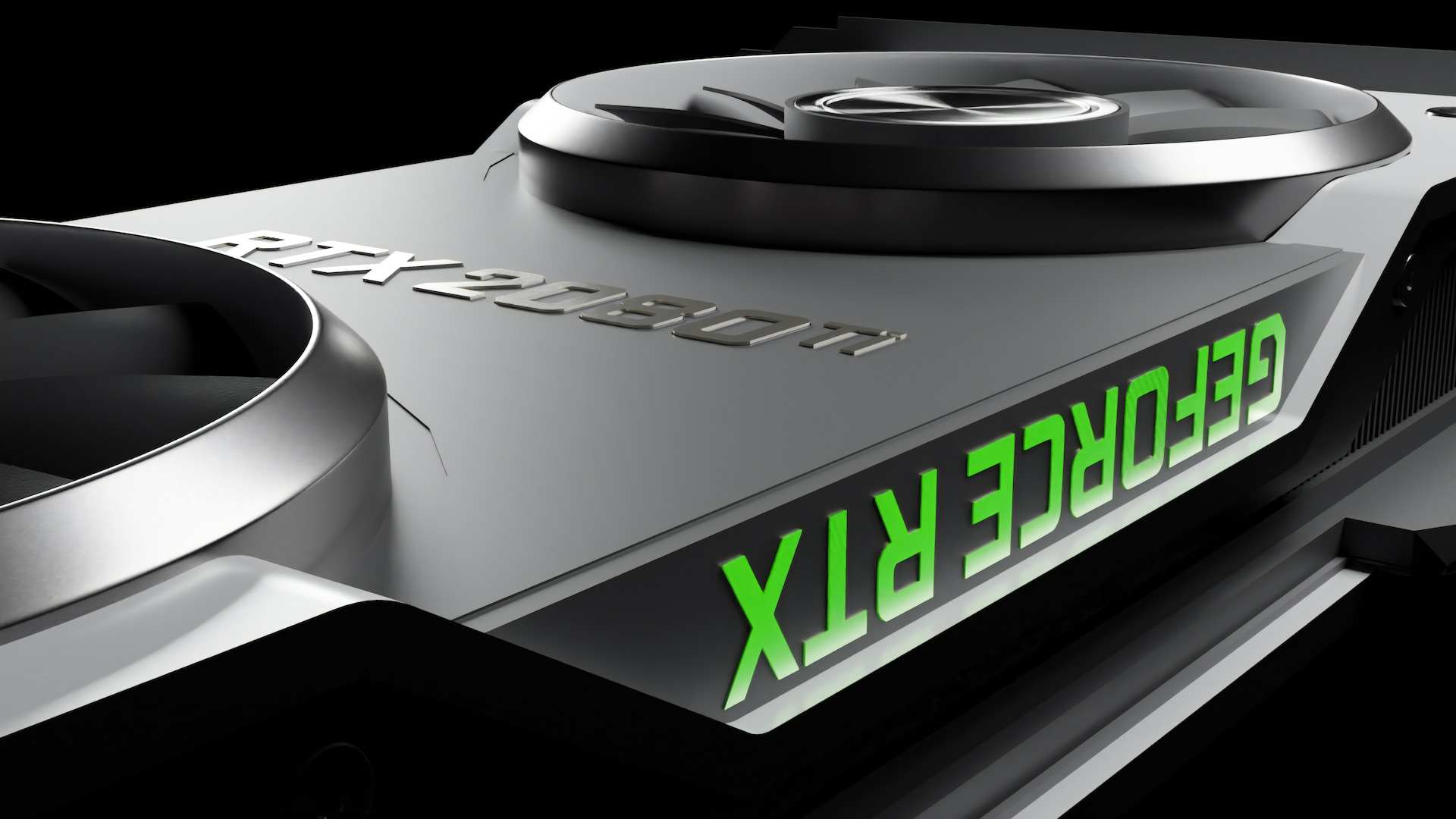
NVIDIA has introduced the GeForce RTX 4090 D Gaming GPU, exclusively for the Chinese market, with some key differences from its original RTX 4090 model. This new variant is designed to comply with the latest U.S. regulations imposed on various companies in China.
The RTX 4090 D, featuring a slightly lower power draw (425W compared to the original's 450W) and a cut-down GPU, does not support overclocking. It maintains a base and boost clock speeds similar to the original model but is hardware-locked against overclocking. The GPU is expected to launch in late January and is currently in full production.
Is the NVIDIA GeForce RTX 4090 D Gaming GPU Not Overclockable?
Benchlife adds two more pieces of information about the NVIDIA GeForce RTX 4090 D, a Gaming GPU intended particularly for the Chinese market, to the earlier leak. The GPU will be designed to replace the original RTX 4090, which has been banned in China as a result of the most recent US laws placed on various enterprises. As a result, when it is released, the RTX 4090 D will be the country's flagship and fastest gaming chip.
The GeForce RTX 4090 D will reportedly have a TGP of 425W, which is 25W less than the original model. This is to be expected given that the card features a cut-down GPU known as the AD102-250, which should feature a lower number of cores to meet TPP (Total Processing Performance) parameters.
NVIDIA GeForce RTX 4090 D Gaming GPU Has Lower Power Draw
The main point raised by Benchlife is that the NVIDIA GeForce RTX 4090 D GPU will not enable overclocking. That's an especially intriguing move, given that the GeForce RTX 4090 offers pretty strong OC capabilities, allowing the card to run above 3000 MHz. The RTX 4090 D has relatively similar clocks, so it shouldn't be too difficult to overclock it. However, according to this claim, OC is intentionally or hardware-locked on the AD102-250 SKUs.
It will be fascinating to see how AIBs react to this, as they always create both an OC and a non-OC design centered around a flagship product. This means that any bespoke designs from AIBs for an NVIDIA GeForce RTX 4090 D graphics card must adhere to the reference clock speeds of 2280 MHz base and 2520 MHz boost clocks. Sources told WCCFTech that the RTX 4090 D is currently in full production, with AIBs already completed with marketing, so fans can expect a late January debut if all goes as planned.
Photo: Thufeil M/Unsplash







