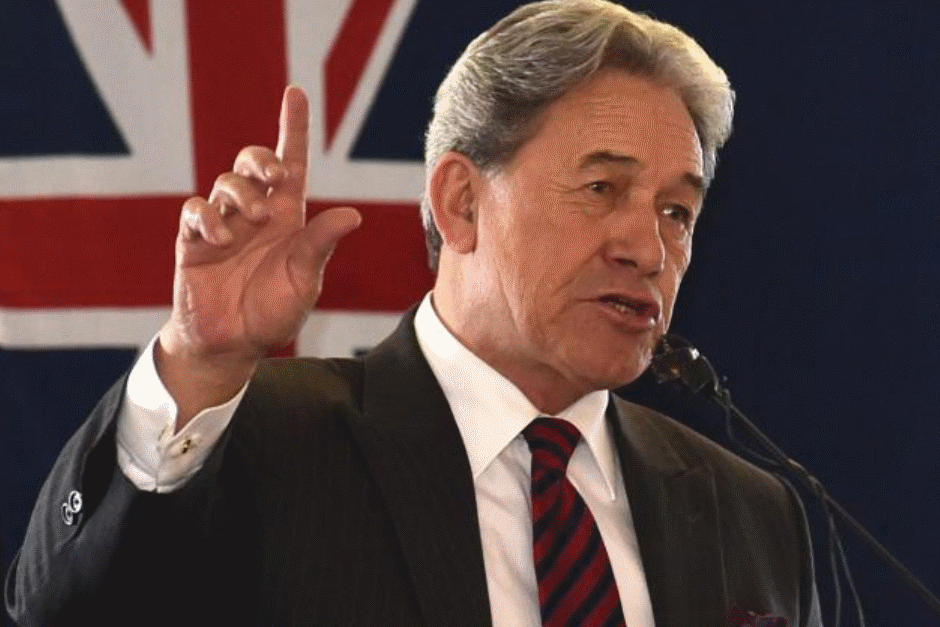
New Zealand Foreign Minister Winston Peters called upon Australia not to restrain the movement between their two countries due to the border closures still implemented by some Australian states.
Peters was referring to Queensland and Western Australia, which he called "slowest" states.
New Zealand, whose economy is forecasted to contract by almost nine percent, is increasingly frustrated with the uncertainties of returning to quarantine-free travel with Australia.
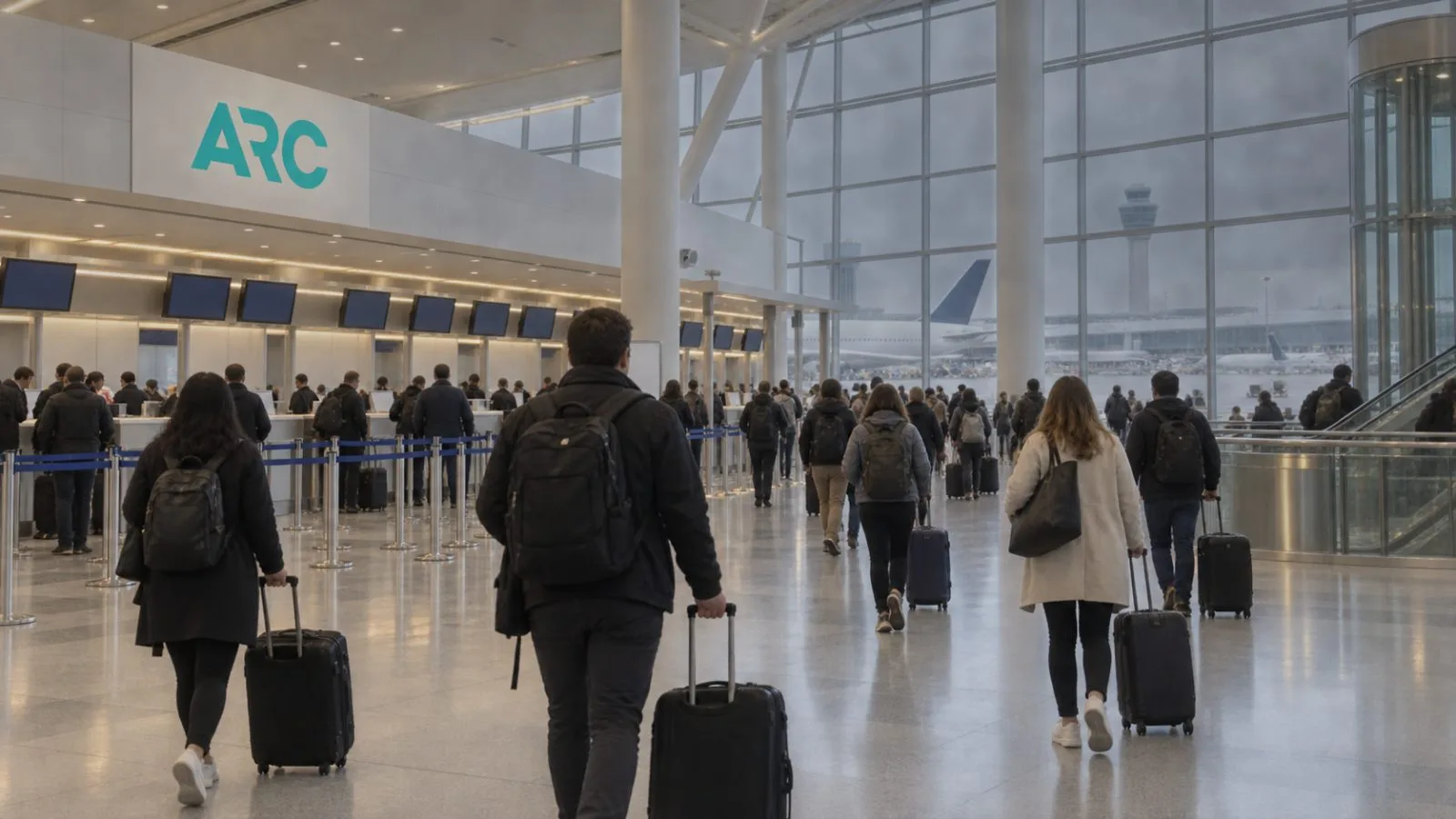
The two countries typically spent billions of dollars in each other's territory every year, making New Zealand keen on restarting flights.
New Zealand Prime Minister Jacinda Ardern and her Australian counterpart, Scott Morrison, discussed the creation of what was dubbed as a "trans-Tasman travel bubble" across the Tasman Sea, which separates the two countries.
However, plans were held back partly due to domestic travel restrictions within Australia.
Morrison had encouraged state and territory leaders to lift travel restrictions by allowing international students back into the country on a trial basis.
New Zealand has no active coronavirus cases and has lifted all pandemic-related restrictions at the start of June.
Without all domestic travel restrictions in Australia being lifted, industry heads suggested raveling on a state-by-state basis.
According to Ann Sherry, co-chair of the Australia New Zealand Leadership Forum (ANSLF), with most flights to New Zealand coming in and out of Melbourne and Sydney, the trans-Tasman travel could still take place without Queensland.
New Zealand is keen on extending travel to southwest Pacific island nations upon establishing routes with Australia.
Tourism-dependent Pacific island countries have asked to be included in the travel bubble.