


 US-Led Coalition Targets Global Factory Overcapacity
  Deere, CNH and AGCO Stocks Fall as FTC Launches Farm Equipment Probe
  Zcash Plans Quantum-Resistant Security Upgrade for January
  US Suspends Microsoft, Adobe From Green Card Program
  Starbucks Explores Chipotle Acquisition as Shares Swing
  Oracle Uses Trucked Natural Gas to Power AI Data Centers Amid Pipeline Delays
  Apple Supplier Luxshare Sees Limited Impact From US Patent Probe
  France to Release 10 Million Barrels of Diesel to Ease Fuel Prices
  Bangladesh GDP Growth Accelerates to 4.6% on Industrial Rebound
  Anthropic Launches Claude Dashboards and Motion AI Tools
  Bank of America Predicts Yen Rebound as USD/JPY Faces Risks
  MSTR Stock Rises as Barclays Raises Price Target to $175
  OpenAI Annualized Revenue Hits $50 Billion, Below Earlier Estimates
  Apple Cuts iPhone 18 Pro Production Orders Amid Weak Demand
  Asian Stocks Mixed as OpenAI Revenue Concerns Hit Chipmakers
  DWF Labs Sues BitGo for $114 Million Over Alleged Token Sales Breach
  Trump Secures Russian Diesel Deal as US Fuel Prices Surge


 Add as a preferred source on Google
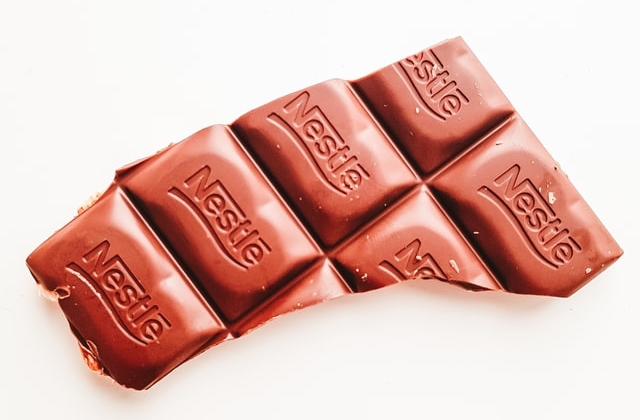
Nestle is updating its health and nutrition strategy after it was reported that some of its food and beverages are unhealthy. This is sort of damage control after the Financial Times stated that an internal document showed more than half of Nestle’s products are not good for health.
As per Reuters, earlier this year, the said media outlet saw an internal presentation being circulated among top executives and the papers stated that more than 60% of Nestle's food and drinks portfolio may not be considered healthy based on the definition of “health.”
Nestle’s portfolio of alleged unhealthy products
It was clarified that Nestle’s medical nutrition, infant formula, coffee and food are not included in the analysis and only about half of the company’s overall portfolio is considered unhealthy based on the information written in the documents.
"Given the group’s confectionery, ice cream, and pizza businesses, the real figure for the group based on 2021 estimates would be 28%, which is hardly a surprise," Jon Cox, an analyst at Kepler Cheuvreux, said.
The analyst said that the report may push Nestle to revamp its product portfolio and possibly, it may even lead the company to withdraw from mainstream confectionery.
Adjustments being done by Nestle
Taking action to address the issue, Nestle acknowledged the report first and stated that it has taken steps to improve its products and is now taking steps to bolster nutrition. The company said in a statement it is working on a "company-wide project" to upgrade its nutrition and health blueprint. It added that it is checking its entire portfolio for Nestle to ensure that products will meet the nutritional needs of its customers.
For starters, Nestle shared that in the last seven years, it reduced sugars and sodium in its food and beverages by around 14 to 15% and it will continue to work on making its products healthier. Nestle said it will remain committed to making healthier products.
“In recent years, we have launched thousands of products for kids and families that meet external nutrition yardsticks,” The Irish Times quoted Nestle as saying. “We have also distributed billions of micronutrient doses via our affordable and nutritious products and we believe that a healthy diet means finding a balance between wellbeing and enjoyment.”







