


 Russia Approves Sberbank for Crypto Exchange Services
  INWIT Shareholders Explore $7.1 Billion Take-Private Deal
  US Dollar Near 18-Month High Ahead of Inflation Data
  Orsted to Take Full Ownership of UK Offshore Wind Farm for £15 Million
  Gold Prices Rebound as Dollar Weakens Ahead of US Inflation Data
  Nasdaq Falls as Oil Prices Surge Ahead of Bank Earnings
  Oil Prices Rise as Houthi Attacks Threaten Middle East Supply
  UK Finance Minister Healey Calls for Fiscal Discipline Amid Global Risks
  Samsung, SK Hynix Shares Fall as China's CXMT Advances DRAM Technology
  Elon Musk Donates $366 Million to 2026 US Midterms
  Albertsons Seeks $9.3 Billion From Kroger Over Failed Merger
  European Stocks Rise as Oil Prices Fall Ahead of US CPI
  Bank of America Predicts Yen Rebound as USD/JPY Faces Risks
  Global Stocks Mixed as Oil Falls Ahead of US Earnings
  Nvidia’s China AI Chip Market Share Falls to 34% as Huawei Gains Ground
  Oil Prices Surge Above $106 After Deadly Saudi Airport Attack
  Trump Secures Russian Diesel Deal as US Fuel Prices Surge


 Add as a preferred source on Google
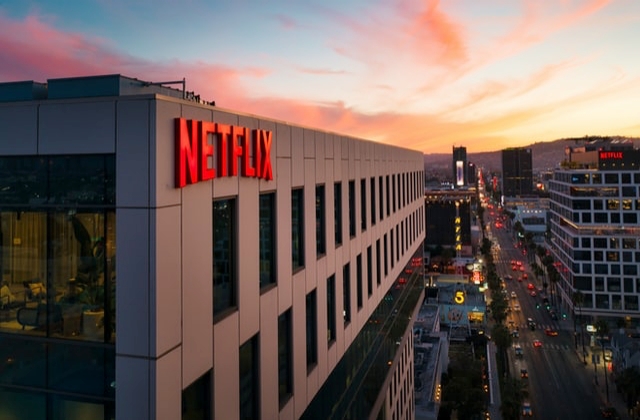
Netflix, the leading streaming company, reportedly brought in around ₩5.6T or about $4.74 billion to South Korea. With this, it was said to have helped boost the country’s economy.
Apart from the financial aspect, since its launch in 2016, Netflix has also created about 16,000 jobs for the locals. The company said that it was able to generate a large sum through the joint effort with the domestic content providers.
According to the Korea Economic Daily, Deloitte Consulting Korea said this week that the streaming firm’s investment in content production in South Korea contributed greatly to the nation’s economy. The content that generated profits for the company is not just from its show programming but from publishing, webtoons, distribution business, and consumer goods.
Based on Deloitte’s report, the economic value Netflix made through its collaborations with set designers, production editors, and visual effects artists has hit around ₩2.7 trillion. Moreover, in the survey that it conducted together with Netflix, it was revealed that in about 2,000 streaming service subscribers, 42% of them have also read the available web novels and webtoons.
In any case, The Korea Herald further mentioned that Netflix already invested more than ₩770 billion for local production projects. It has produced at least 80 original Korean TV series and movies that were released globally between 2016 and 2020. In this year alone, it was said to have already spent ₩550 billion on new productions such as the hit series “D.P.” and “Squid Game.”
“When Netflix first launched in Korea back in 2016, we would not have believed that in five years’ time we would have made 80 shows and films,” Netflix stated. “It was even harder to imagine the kind of impact we would bring to fans around the world and to the Korean creative economy.”
Meanwhile, Netflix said that it would exert more effort to further bring Korean content to the global audience. The hit drama series that it has so far released have all led to the increase in sales, and it can grow more as the Korean Wave is at its peak now.







