


 Texas Republicans Turn Against AI Data Centers as Election Backlash Grows
  Trump Administration Bars U.S. Travelers From Congo Flights Amid Ebola Outbreak
  France Keeps Top Health Alert as Officials Brace for Another Heatwave
  U.S. Issues Cuba Health Alert as Illnesses Rise
  SEC Proposes ‘Regulation Crypto Assets’ Framework for Crypto Fundraising
  New Zealand Moves to Ban Social Media for Children Under 16
  Trump Imposes New US Tariffs on Drone Imports Over National Security Concerns
  Judge Blocks Trump Mail Voting Order Ahead of 2026 Midterms
  France Targets Shein, Temu With Fast-Fashion Fees
  Trump Orders Reduction in U.S.-South Korea Military Drills, Citing Kim Jong Un Ties
  Trump Grants Clemency to Jay-Z Associate Emory Jones
  UNAIDS Urges U.S. to Reconsider South Africa HIV Funding Withdrawal
  The government is ‘doubling down’ on its social media ban. But bigger penalties for platforms aren’t enough
  SEC Probes Banks Over Situational Awareness Hedge Fund Collapse
  Hims & Hers Shares Fall as GLP-1 Costs Widen Q2 Loss
  Google Changes EU Spam Policy Amid Antitrust Scrutiny
  US Sailor’s Father Detained by Immigration Authorities


 Add as a preferred source on Google
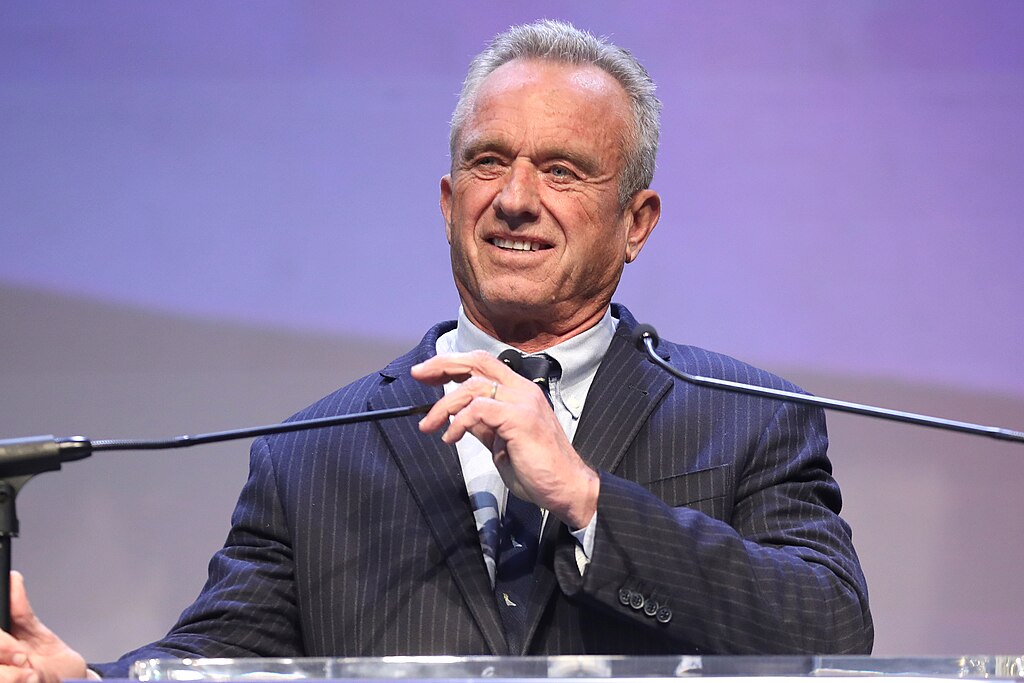
U.S. Health Secretary Robert F. Kennedy Jr. has reshaped national autism policy by appointing an entirely new slate of 21 members to the Interagency Autism Coordinating Committee (IACC), a federal panel that provides guidance on autism research and funding. The move has ignited sharp criticism from autism experts, scientists, and former committee members, due to several appointees’ ties to groups that promote unproven claims linking vaccines to autism.
Kennedy, a longtime critic of vaccines who has repeatedly claimed they are unsafe and associated with autism, said the newly appointed committee members bring decades of experience and will help deliver “the answers Americans deserve.” However, many in the medical and scientific community argue the changes could undermine evidence-based autism research and public trust in health policy.
The IACC, established in 2006, plays a key advisory role in shaping federal autism research priorities, influencing approximately $2 billion in annual funding. Historically, the committee included a balance of autism researchers, clinicians, self-advocates, parents, and government officials. In contrast, Kennedy replaced all prior members, breaking with past practice where some experts typically remained on the panel.
Among the new appointees are Daniel Rossignol, who has promoted discredited autism treatments such as chelation therapy, and John Gilmore, co-founder of the Autism Action Network, who has publicly linked his son’s autism to vaccination. Other members include Brownstone Institute fellow Toby Rogers and Autism Health founder Tracy Slepcevic, both associated with alternative autism treatment advocacy.
Autism Science Foundation President Alison Singer, who served on the committee for 12 years, warned the overhaul would harm people with autism and their families. Dr. Helen Tager-Flusberg of Boston University noted that many new members represent organizations advocating non-mainstream treatments, raising concerns that autism funding priorities could shift away from established science.
Kennedy has labeled rising autism rates—now estimated at one in 31 U.S. children by age eight—as an epidemic and has pledged to uncover causes and cures. He has also supported controversial positions, including promoting leucovorin as a treatment and raising alarms about Tylenol use during pregnancy, claims that health experts say lack strong scientific evidence.







