


 Amazon in Talks to Acquire AI Startup Decart for $7 Billion
  Binance to Shut Down Crypto Mining Pool Services on November 10
  FAA Warns US Airlines Over Saudi Arabia Flight Risks
  Airbus Tests Valkyrie Combat Drone in Europe for Eurofighter Integration
  Solidigm Taps Goldman, Morgan Stanley for $10 Billion US IPO
  Arthur Hayes Announces FLOP Testnet Launch Within Weeks
  Elon Musk Donates $366 Million to 2026 US Midterms
  OpenAI Revenue Hits $50 Billion, Below Earlier $70 Billion Estimate
  Samsung, SK Hynix Shares Plunge as China Chip Competition Grows
  Jameson Lopp Downplays AI Threat to Bitcoin Cryptography
  Hong Kong’s Second Solana ETF Launches With Lower Fees
  Robinhood Chain Eyes Priority Gas Auctions for Faster Trades
  Apple Cuts iPhone 18 Pro Production Orders Amid Weak Demand
  Moonshot AI Executives Seek Settlement Ahead of Hong Kong IPO
  TSMC Profit Set to Surge 65% as AI Chip Demand Drives Record Earnings
  Oracle Uses Trucked Natural Gas to Power AI Data Centers Amid Pipeline Delays
  Canton Network Expands in South Korea With Major Partnerships


 Add as a preferred source on Google
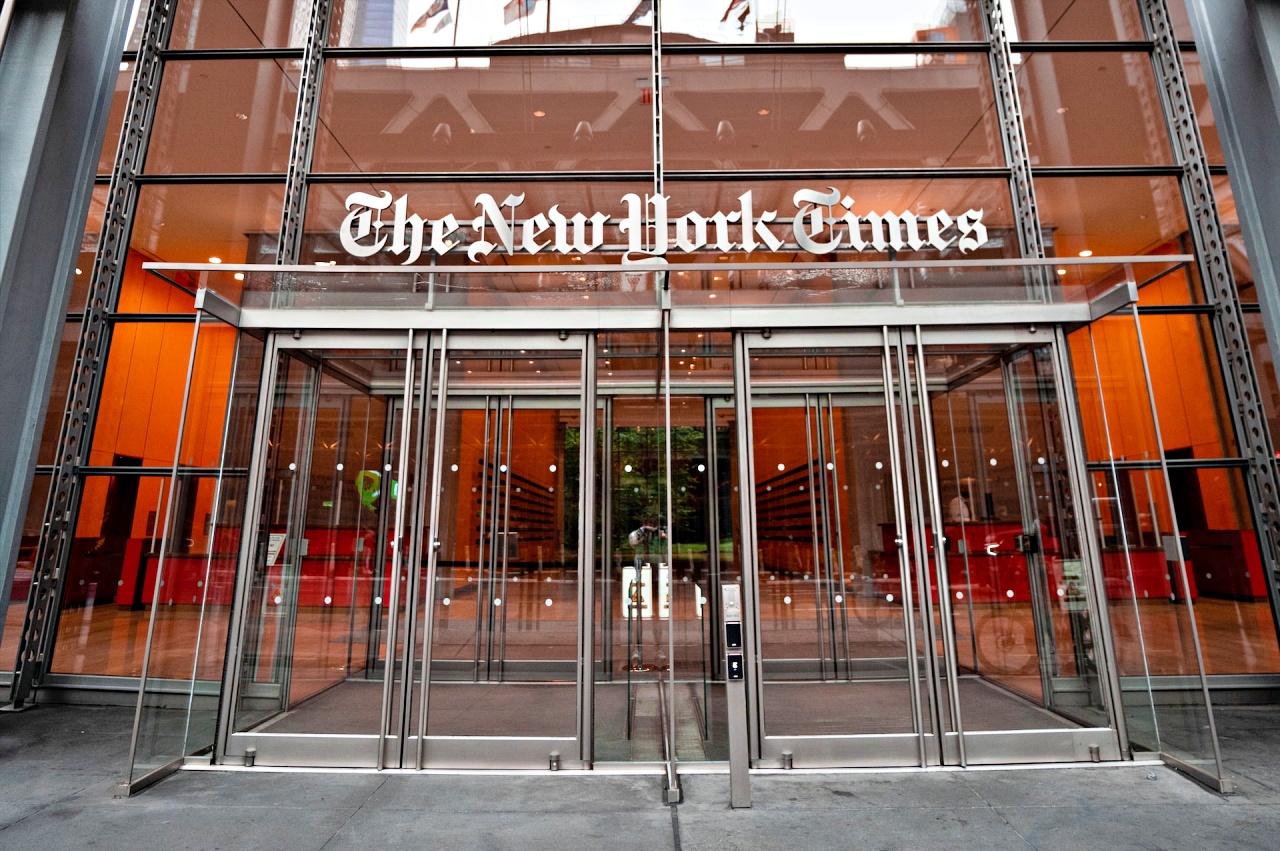
The New York Times filed a lawsuit against Microsoft and OpenAI for the use of its copyrighted work through artificial intelligence tools, which the companies developed and operate. The American daily newspaper publishers are suing the tech forms for infringement, and this legal move was revealed on Wednesday, Dec. 27.
The Times Allegations and Complaints
The New York Times cited the use of OpenAI's ChatGPT chatbot and other AI tools from other major firms, such as Microsoft, for infringing their work materials. The paper said that the companies have been using millions of its articles without proper permission to train and develop their artificial intelligence technologies.
According to Reuters, The New York Times is the first ever major media organization in the United States to step out and sue companies that created AI platforms for copyright issues.
The company explained that Microsoft and OpenAI were free-riding on its newspaper's sizeable investment in its journalism works by utilizing them to form "substitutive products."
The problem is that Microsoft and OpenAI did not secure any permission or pay for the usage of its resources and journalism materials. The publication filed its copyright infringement complaint at a Manhattan federal court.
The New York Times stated, "There is nothing 'transformative' about using The Times's content without payment to create products that substitute for The Times and steal audiences away from it."
Move to Protect the Publication's Works
CNBC reported that the New York Times is represented by Susman Godfrey, the same law firm that represented Dominion Voting Systems against Fox News over the defamation suit, which ended in a $787.5 million settlement
"These tools were built with and continue to use independent journalism and content that is only available because we and our peers reported, edited, and fact-checked it at high cost and with considerable expertise," the paper explained as to why it has sued Microsoft and OpenAI. "Settled copyright law protects our journalism and content."
The paper added, "If Microsoft and OpenAI want to use our work for commercial purposes, the law requires that they first obtain our permission. They have not done so."
Photo by: Spenser Sembrat/Unsplash







