


 Bumble Shares Surge 50% on $1 Billion Buyout Talks
  European Auto Stocks Rise as EU-China Trade Deal Targets Hybrid Imports
  Ethereum Foundation-Linked Wallets Move $11.13M in ETH to Kraken
  S&P 500 Rally Masks Losses for Over 40% of Stocks in 2026
  Meta Launches Muse Wonder AI Models, Shares Rise 3.7%
  Gold Prices Hit One-Week High as Oil Falls, Fed Rate Outlook Weighed
  Canton Network Expands in South Korea With Major Partnerships
  Apple Supplier Luxshare Faces US Patent Probe, Sees Limited Impact
  RBA Signals More Rate Hikes as Inflation Risks Rise
  Oil Prices Fall as Russia Signals Higher Diesel Exports
  Visa Wins China Approval to Prepare Domestic Payments Expansion
  IMF, World Bank Meetings Face Global Economic Risks Amid Iran War
  Samsung, SK Hynix Shares Plunge as China Chip Competition Grows
  Trump Defends Russian Diesel Deal Amid US Sanctions Backlash
  Most Americans Oppose Election Betting on Prediction Markets, Poll Finds


 Add as a preferred source on Google
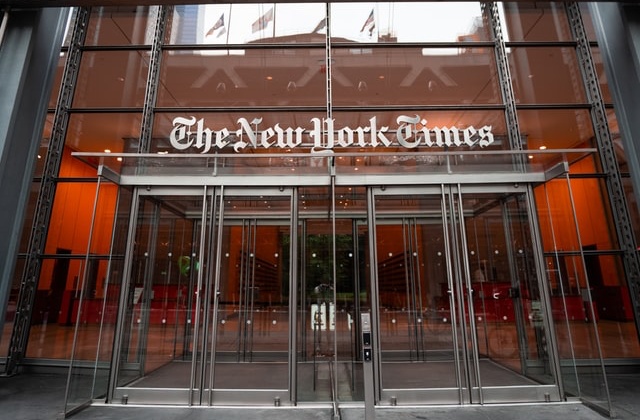
The New York Times Co. revealed on Monday, Jan. 31, that it had purchased the popular word game called Wordle. The said game is based online, and its popularity has recently exploded, with millions of users playing the game each day.
According to Reuters, although the deal between The New York Times and Wordle has been announced, the financial terms were not disclosed to the public. However, it was estimated to be around seven figures.
The acquisition is expected to help the American daily newspaper company in expanding its digital content. This is certainly beneficial for its goal of reaching 10 million subscribers by the year 2025.
Wordle is a once-a-day online game where players are given six chances to decipher the day's secret five-letter word. Players will the least number of guesses win. It is very simple, and one just needs a computer to play it with no other gadget, and there are no ads either, even if it is free.
"As The Times looks to entertain more solvers with puzzles every day — especially during these anxious times, we are thrilled to announce that we have acquired Wordle, the stimulating and wildly popular daily word game that has become a cultural phenomenon," the publication said in a press release. "Wordle, which gives players six tries to guess a five-letter mystery word, will join New York Times Games' portfolio of original, engaging puzzle games that delight and challenge solvers everyday."
The game was first introduced in October by Josh Wardle, a former Reddit software engineer. He initially created Wordle for his girlfriend, who loves word games and his goal at that time was to give his woman a puzzle to solve each day. Wardle eventually shared the game with his friends and family, who became addicted to the game, and the rest is history.
The New York Times said that despite the acquisition, Wordle will remain free to play by everyone. Plus, the publication stressed that there would also be no changes in its gameplay.
Meanwhile, BBC News reported that the creator of Wordle was overwhelmed after The New York Times acquired his game. He was simply moved by the success of Wordle, and it was even purchased by a large company.







