


 Best Gold Stocks to Buy Now: AABB, GOLD, GDX
  FxWirePro: Daily Commodity Tracker - 21st March, 2022


 Add as a preferred source on Google
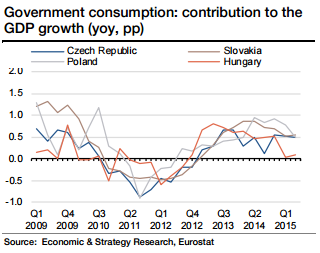
Next year, the new 2014-2020 programming period for tapping EU funds will start. This usually leads national governments to make less of an effort to pump money. As a result, fixed investment is likely to decelerate next year and the region's GDP growth will subside.
"For the Czech Republic, GDP is expected to grow by 4.5% this year, but to slow down to 2.7% next year due to the drop in EU-fund related investment. Meanwhile, the Polish and Slovak economies should remain above 3% while Hungarian GDP is likely to decelerate from 3.3% this year to 2.5% in 2016, according to the Hungarian central bank", said Societe Generale in a report on Tuesday.

- News

- Economy

- Central Banks
- Investing
- Research
- Roundups
- Digital Currency
- Insights
- Technical Analysis
- Technology
- Business
- Law
- Health
- Nature
- Fintech
- Science
- Topic
- Opinions
- ©Econometrics LLC . All Rights Reserved.
Next year EU GDP growth likely to decelerate
Tuesday, September 8, 2015 3:42 AM UTC
Editor's Picks



- Market Data
Most Popular




