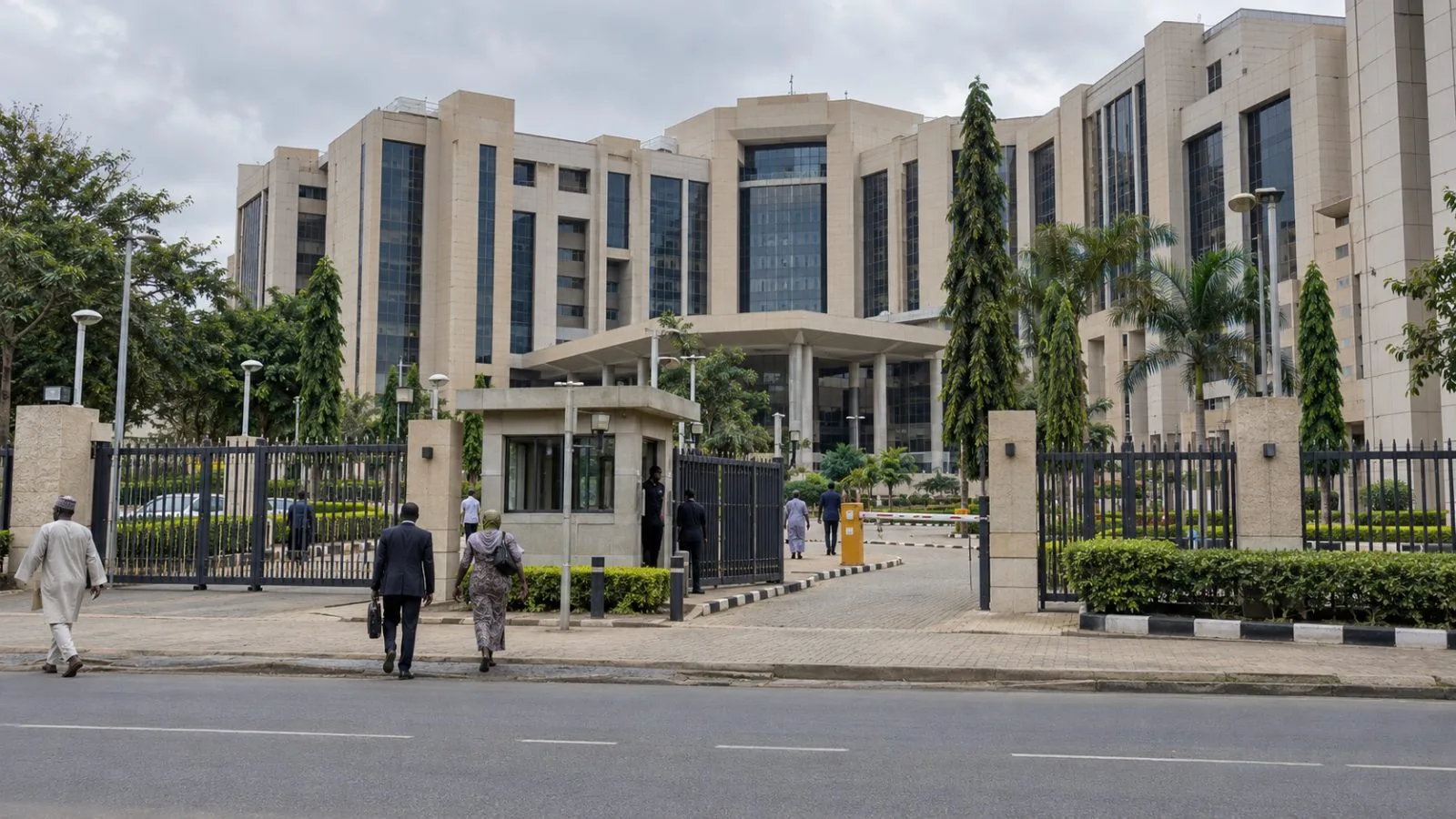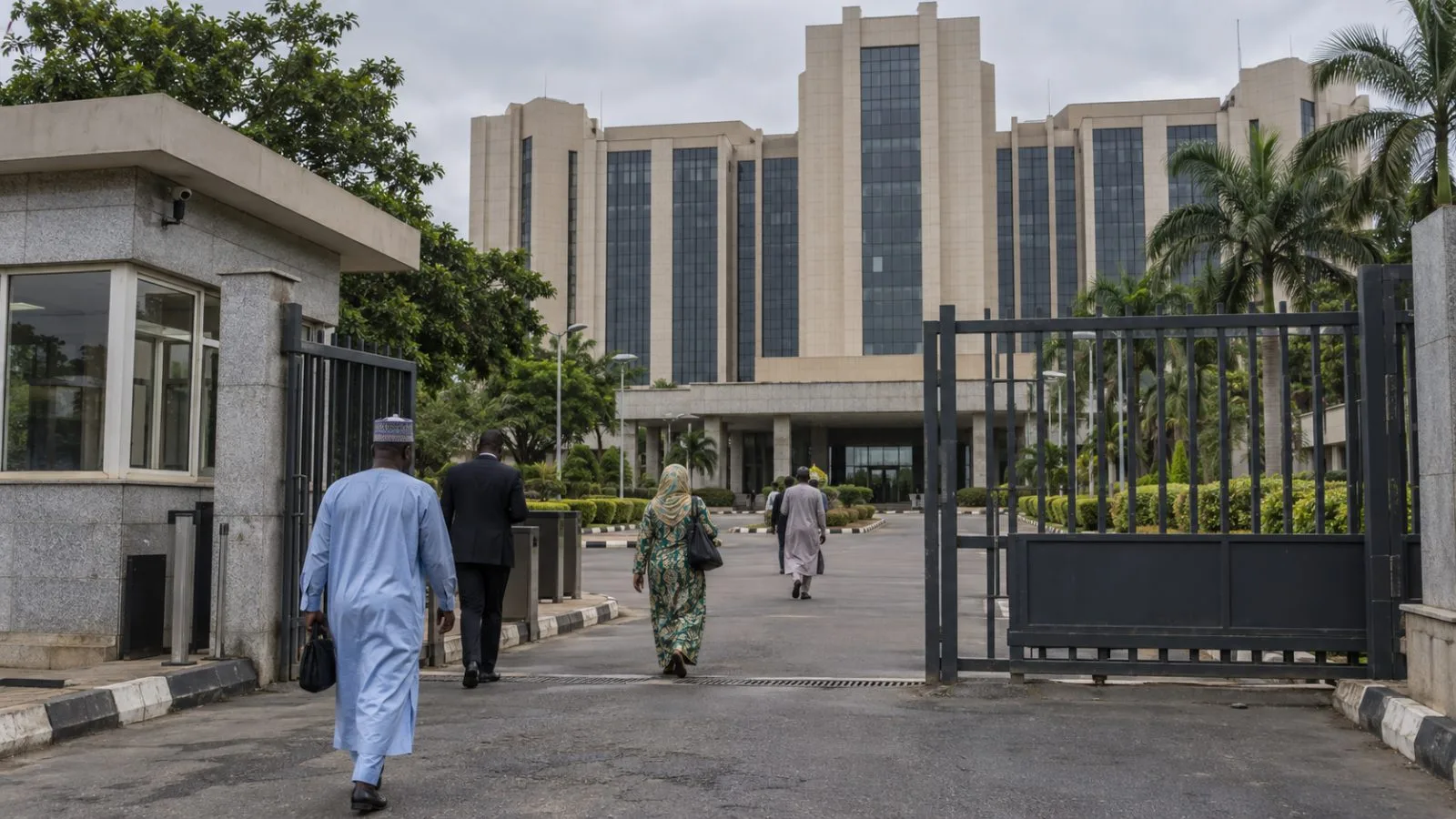
Nigeria’s Federal Ministry of Finance has opened consultation on a proposed framework that would require reviews of major economic measures, aiming to make policymaking more consistent across administrations.
The ministry dated its consultation materials Oct. 24. The framework is intended to guide policy decisions over time, with assigned responsibilities and benchmarks for assessing results. It remains a proposal and has not been approved as government policy.
At the 32nd Nigerian Economic Summit, held Oct. 26-27 in Abuja, Taiwo Oyedele, Nigeria’s Minister of Finance and Coordinating Minister of the Economy, argued that unpredictable policy makes business planning harder and can discourage investment, BusinessDay reported. Oyedele also said Nigeria had produced numerous economic blueprints over four decades without maintaining a consistent direction, and argued that shifts between administrations can weaken earlier reforms, the outlet reported.
The ministry’s consultation document proposes Policy Impact Statements for major interventions. Each assessment would examine a measure’s rationale and effects, how its benefits and costs are distributed, and the terms for reviewing or ending it. The proposal groups its priorities into seven economic systems: stability, productivity, enterprise, capital, people, markets and institutions.
The document also proposes an annual National Economic Scorecard, to be published on or before Oct. 1. Its indicators include real household disposable income, employment measures covering formal and youth jobs, poverty and income distribution.
The consultation has 17 questions. After it closes, the ministry plans to develop the full framework and validate it before presenting it to the Federal Executive Council for approval and the National Economic Council for endorsement.