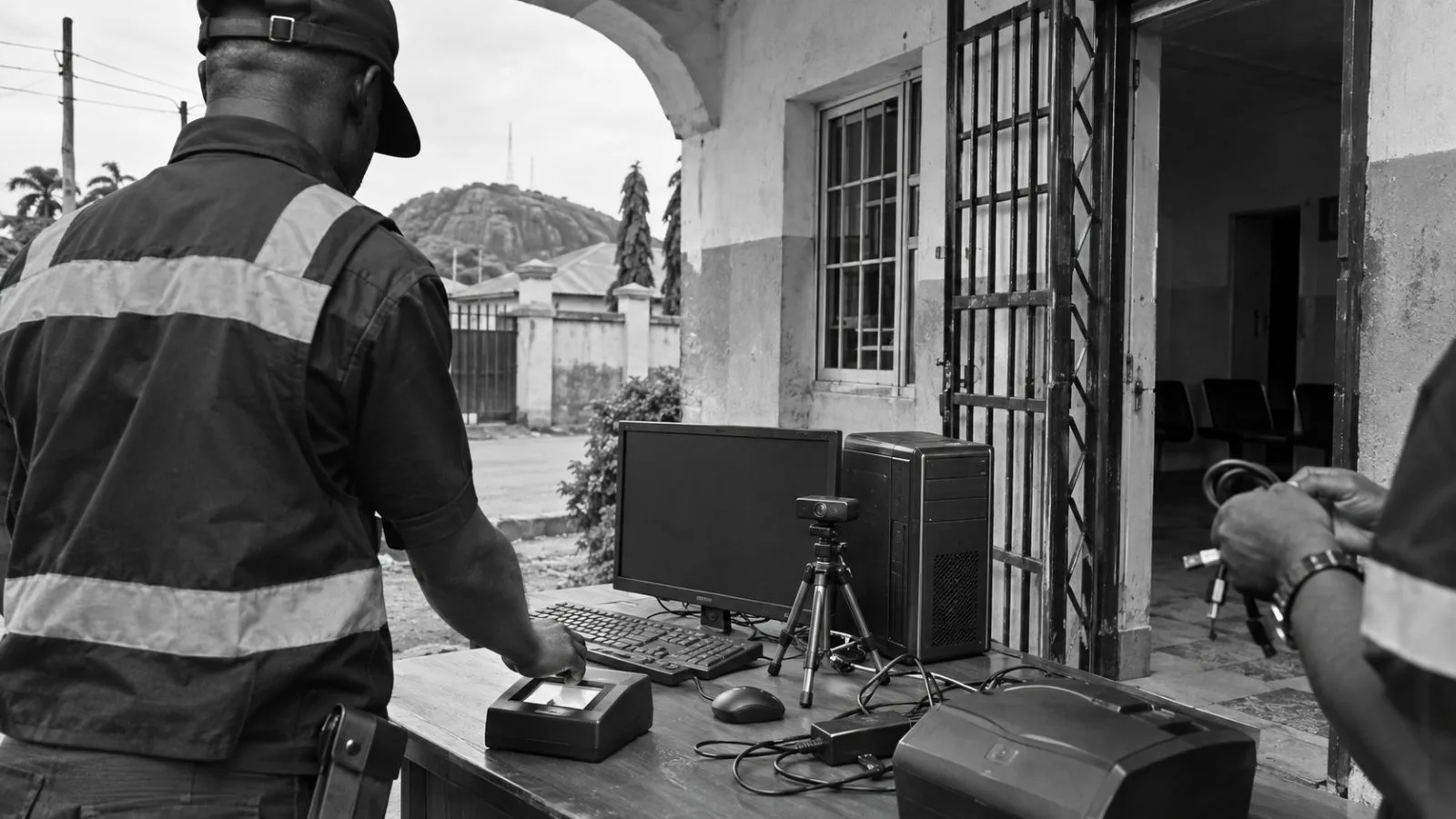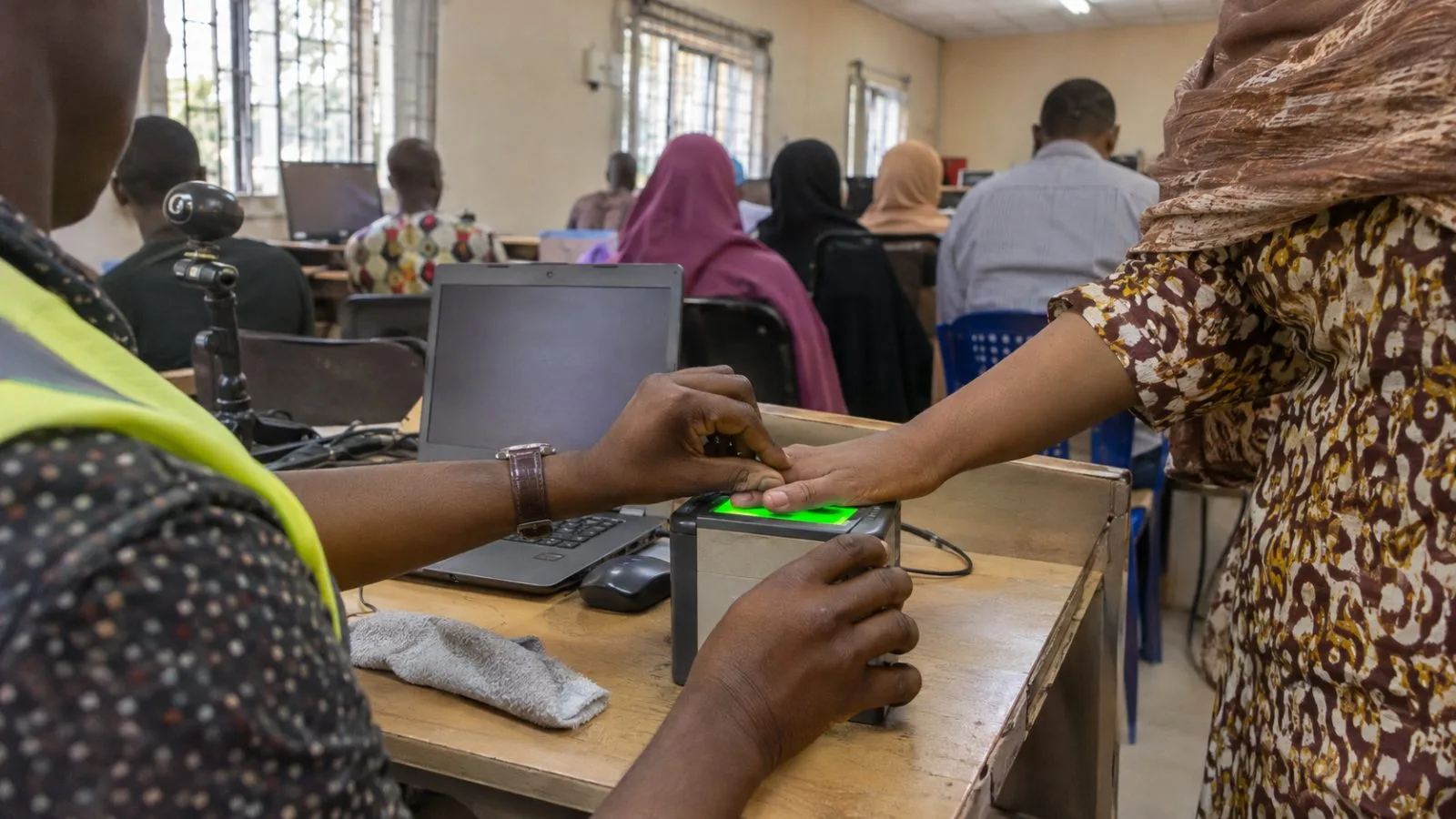
Nigeria is seeking a third extension of its $430 million digital identity project; if approved, it would give officials another year to address a 59 million NIN shortfall and complete the delayed technology rollout.
A World Bank restructuring paper dated Oct. 22 says Nigeria made the request May 8. The proposal would move the project’s closing date from Dec. 31, 2026, to Dec. 31, 2027; the paper does not say it has been approved.
If approved, this would mark the third change to the closing date since the World Bank approved the project in February 2020, adding 42 months to its schedule. The original close date was June 2024.
By Sept. 30, about 121 million people had received National Identification Numbers (NINs), below the 180 million target. The National Identity Management Commission (NIMC) would have to raise its monthly average from 1.5 million to 3.9 million to meet the goal, the paper says.
More than 140 million enrollments were recorded by Sept. 14, but that tally reflects an earlier processing stage: the later figure counts records that passed biometric and demographic checks and a review for duplicates.
Enrollment partners had not received payments since January 2026, the paper says. It says the billing platform must generate audited reports to support payment processing.
The contract for the replacement National Identity Management System 2.0 was signed Sept. 15 after a prolonged procurement process. The paper gives the system rollout 15 months, down from an expected 18 months.
About $234 million, or 54.4% of total project financing, had been disbursed, leaving about $196 million across all co-financiers, according to the paper. The World Bank’s financing summary lists $18.83 million still undisbursed under its International Development Association (IDA) financing. The restructuring paper warns that other co-financiers would also end their participation if the project is not extended.
The World Bank’s February 2020 announcement set an initial goal of reaching about 150 million people in three years and linked national identification to access to services; the project’s current target is 180 million.
The paper credits a ward-level campaign with generating 10 million NINs since March and schedules the start of school enrollment for December 2026, followed by deployment of seven thousand mobile enrollment devices in January 2027. It sets Dec. 15, 2027, for finishing the system rollout and moving the records, 16 days before the proposed project close.