Figures from Nigeria’s National Sugar Development Council (NSDC) imply annual sugar supply of 2.05 million metric tonnes by 2030, with policy consistency and stable demand shaping investor confidence.
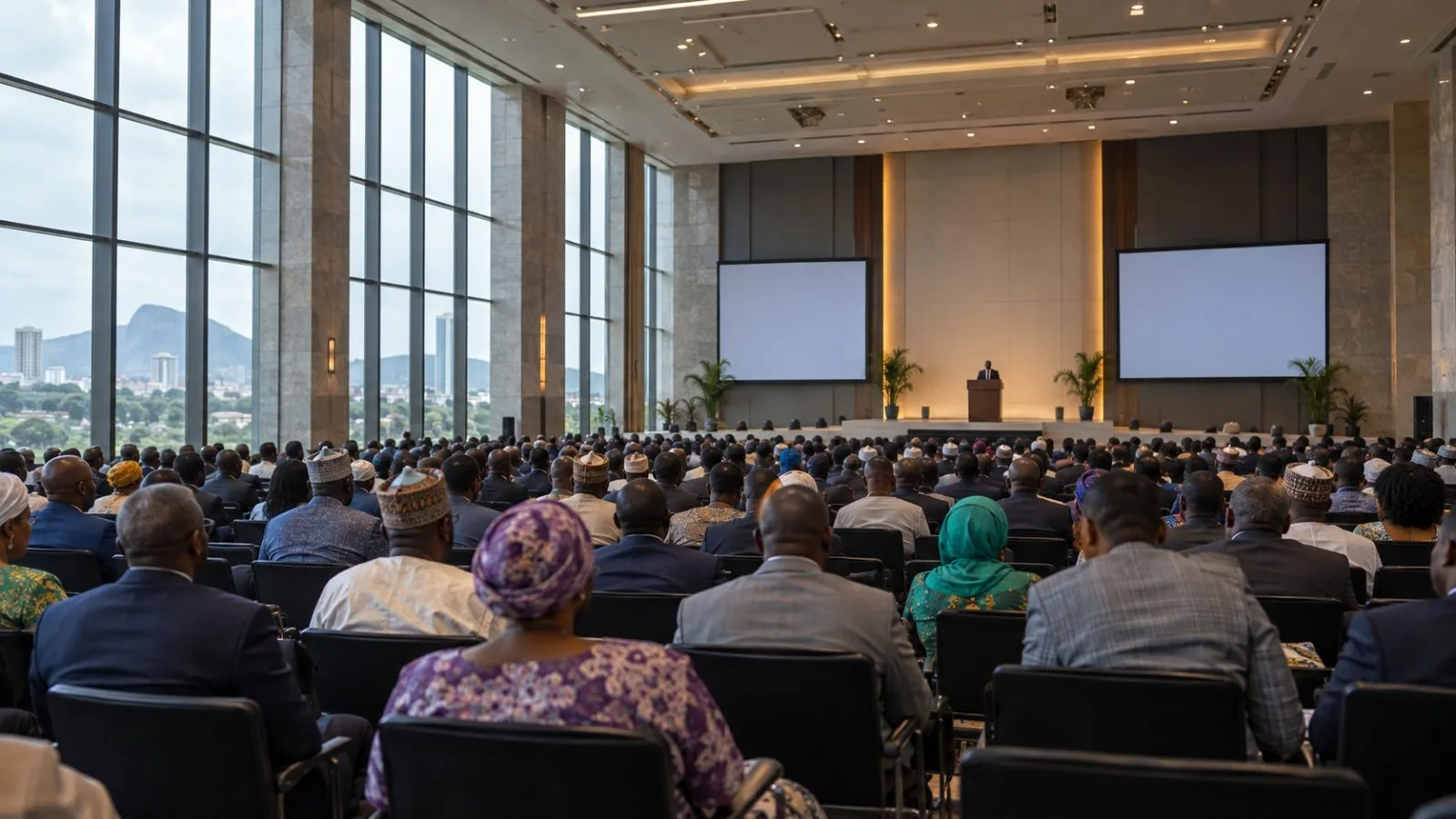
Kamar Bakrin, the NSDC’s executive secretary and CEO, made the remarks at the 32nd Nigerian Economic Summit in Abuja on Oct. 26-27. He credited President Bola Ahmed Tinubu’s macroeconomic reforms with improving the investment case for local sugar, while saying investors need confidence that policy and demand will remain predictable over a long development period. “A sugar estate takes at least four years from land clearing to full production,” Bakrin said. He did not identify specific reforms behind the improved outlook or quantify their effect on sugar investment.
The council said brownfield investors have committed to annual deliveries of 1.22 million metric tonnes by 2030. Greenfield projects in its pipeline could contribute a further 830,000 tonnes a year. The figures add up to 2.05 million tonnes annually, but refer to commitments and proposed capacity rather than production already reached.
The NSDC estimates that reaching self-sufficiency under the Nigeria Sugar Master Plan (NSMP) 2.0 could save about $1 billion in foreign exchange each year and generate about 110,000 direct jobs, mainly in rural areas. The plan is intended to cut Nigeria’s dependence on imported sugar while expanding local production and employment. Bakrin also said sugar estates could support rural infrastructure and produce ethanol, electricity and packaging materials.
Bakrin said beverage makers are the country’s largest industrial sugar consumers and urged them to help build domestic supply through purchase commitments, support for outgrower farmers, market data and investment in the Backward Integration Program. He called for proposed measures to be assessed before adoption for their effects on the NSMP, employment and investment in both sugar and beverages, and said affected industries should receive a reasonable transition period.