Nigeria’s economy grew faster in the second quarter, but high borrowing and energy costs still constrain businesses, KPMG partner Oluwole Adelokun said, according to the Nigerian-British Chamber of Commerce’s account of his remarks.
The National Bureau of Statistics said real gross domestic product rose 4.43% from a year earlier in the second quarter of 2026, compared with 3.89% growth in the first quarter. The national figures show faster output growth but do not measure the costs facing individual companies.
At an Oct. 29 event in Lagos, Adelokun identified expensive credit and energy, along with weak consumer purchasing power, as continuing pressures, the chamber said. His warning concerned the conditions in which businesses operate as broader economic indicators improve.
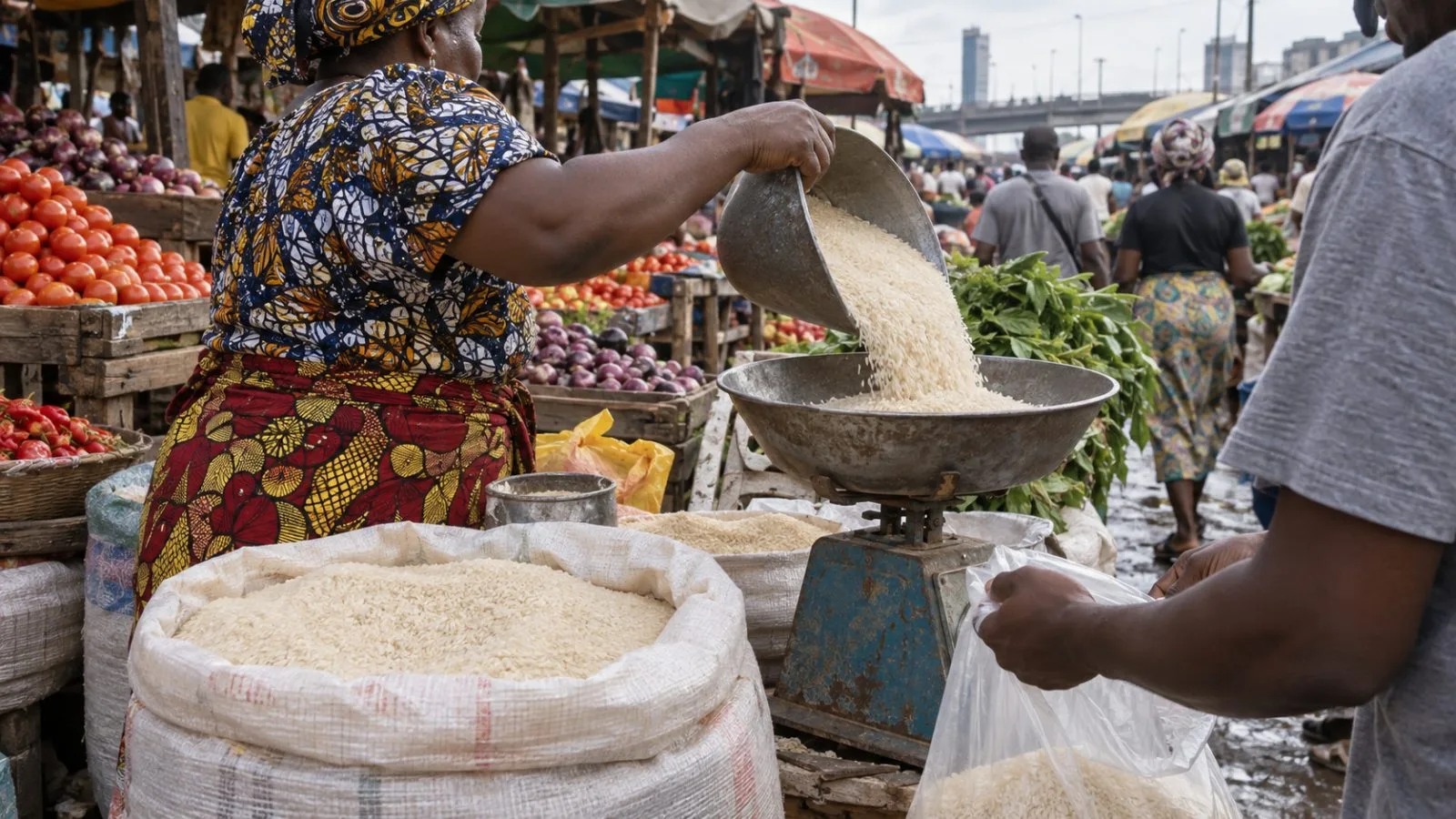
The National Bureau of Statistics reported annual headline inflation of 14.63% in September, down from 15.39% in August. Annual food inflation was 19.59% that month. Slower inflation means prices are rising at a lower rate, even as households continue to face higher costs than a year earlier.
The Central Bank of Nigeria reset its monetary policy rate to 23% in September from 26.5% in July. The bank said the reset did not change its underlying policy stance. Adelokun nevertheless cited borrowing costs among the obstacles businesses face.
The contrast between growth and living costs also featured in earlier coverage of Nigeria’s 2026 economic outlook. That report cited an International Monetary Fund forecast of 4.2% growth for the year alongside September’s food inflation rate.
He pointed to the election as a reason for companies to plan for more than one possible policy path.