Nigeria’s NIBSS Instant Payment remains Africa’s only instant-payment system in the highest tier of AfricaNenda’s inclusivity framework, underscoring the gap between regional growth and the standards for broad, reliable access.
AfricaNenda’s fifth State of Inclusive Instant Payment Systems report assessed 39 networks serving 43 countries through July 2026. It placed one system in the mature category, 11 in progressed, 19 in basic and eight outside the ranking.
The mature classification covers more than transaction speed. AfricaNenda requires broader payment uses, consumer-recourse protections that go beyond supervisory rules and affordable operation under a not-for-loss model. The Nigeria Inter-Bank Settlement System (NIBSS) launched NIP in 2011, and the service moved from progressed to mature in the 2025 assessment before retaining that position this year.
African instant-payment networks reported 71.4 billion transactions in 2025, compared with 64.6 billion in 2024. Reported value reached $1.828 trillion, an 8% decline in U.S.-dollar terms that AfricaNenda linked to foreign-exchange effects; measured in local currencies, value increased 7%.
Those totals exclude systems that did not provide volume or value data, including Switch Mobile in Algeria, LYPay in Libya and the Pan-African Payment and Settlement System. The figures therefore cover reporting systems rather than every network on the continent.
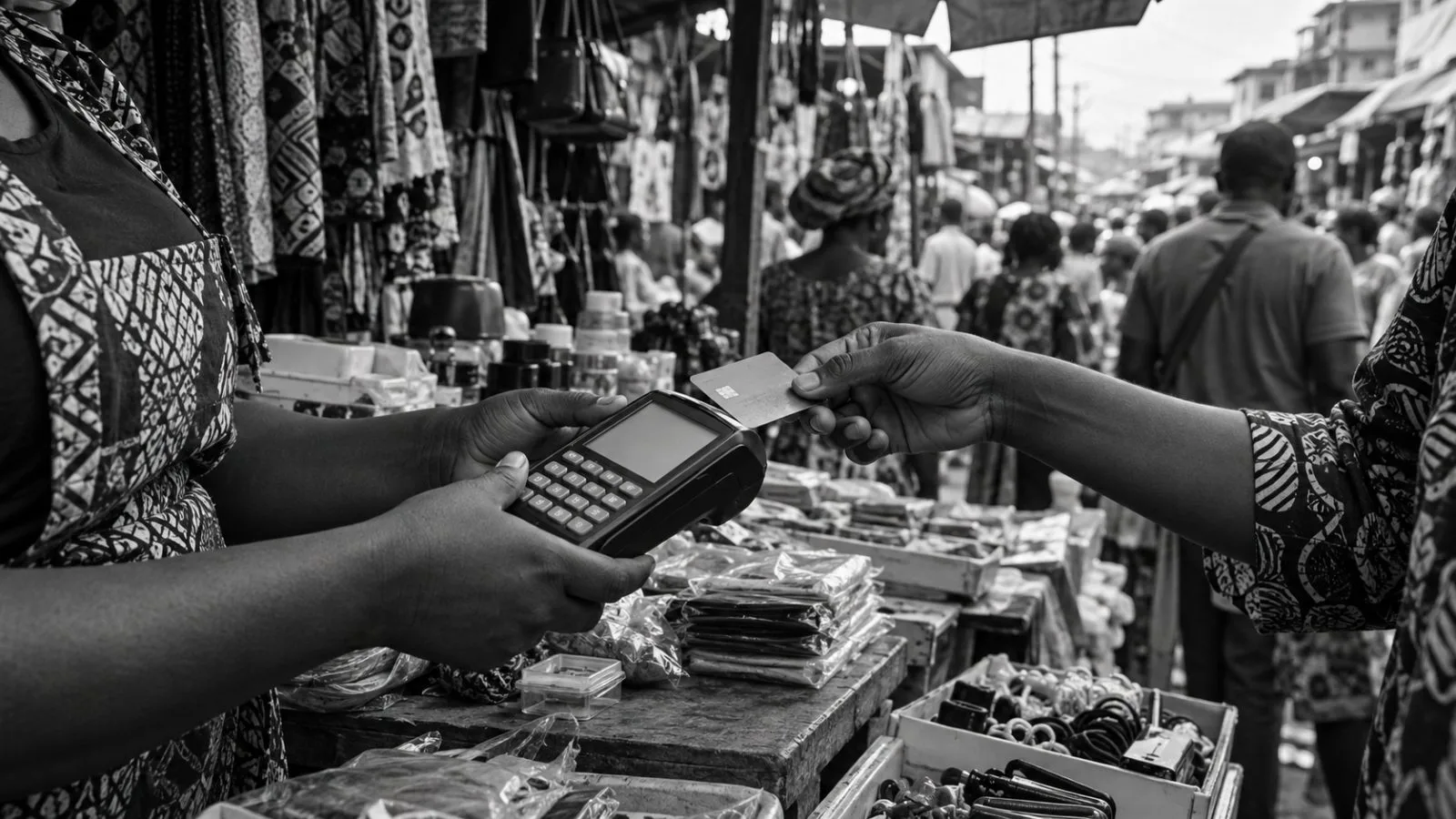
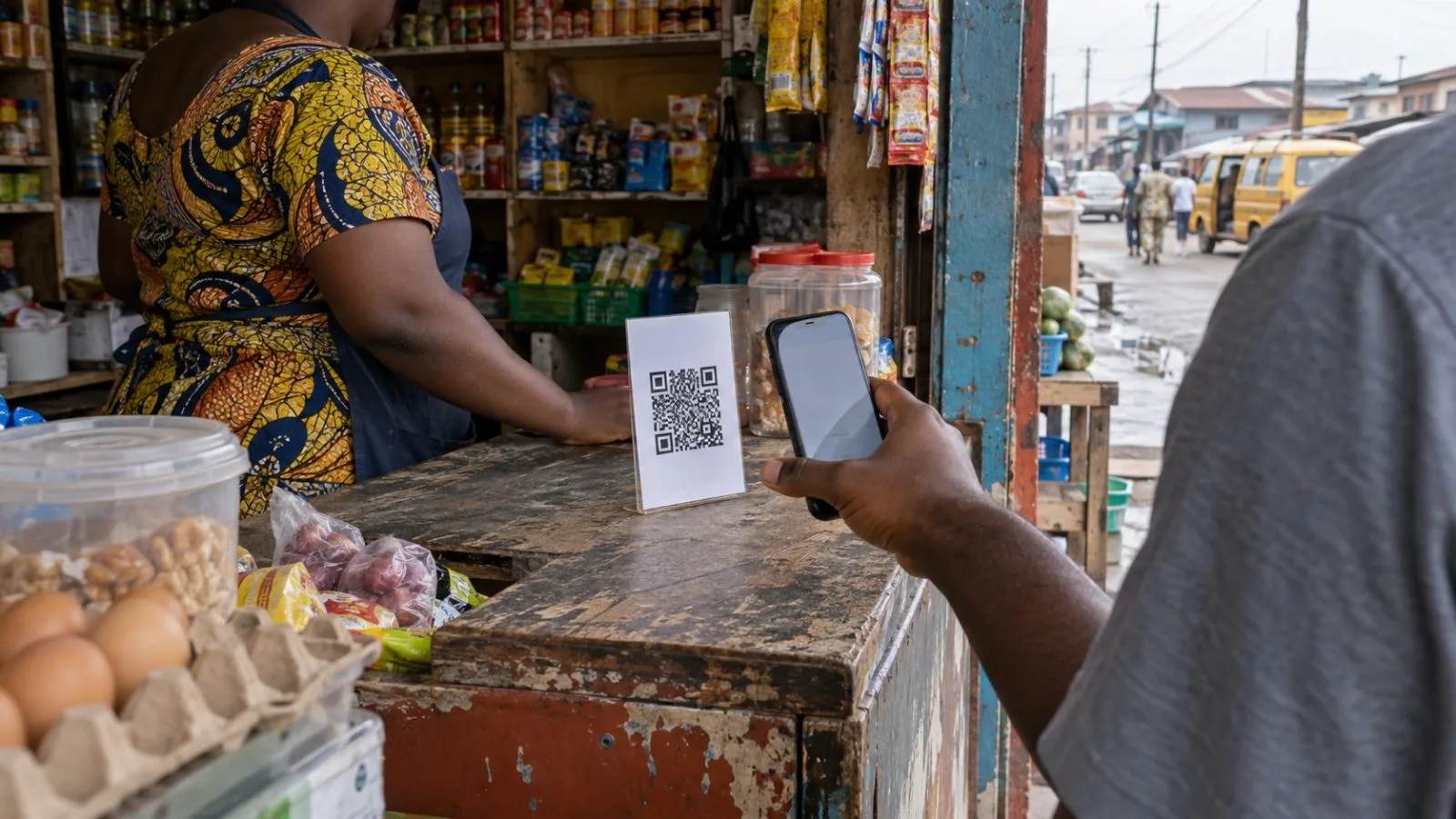
AfricaNenda combined information from central banks and payment-system operators with responses from 1,403 digital-payment users and MSME participants across 15 African markets. Fifty-five percent of respondents said they still used cash for about half of their transactions, while 33% used digital payments most of the time.
Respondents placed the greatest value on fast completion, understandable confirmations and checks that verify recipients. The report linked declining willingness to keep using digital payments more closely to losses that users could not recover than to fraud by itself. It said dependable reversal and refund processes help preserve trust and continued use.
Four systems began operating between June 30, 2025, and July 31, 2026: BurundiPay, NimbaPay in Guinea, Pay Na-Na in Liberia and PI-SPI in the West African Economic and Monetary Union. AfricaNenda identified stronger fraud defenses, dispute resolution, safeguards against artificial-intelligence-enabled scams and cross-border interoperability as continuing priorities for operators and regulators.