Nigeria’s electricity reforms have expanded state and federal roles, but weak grid performance and unpaid obligations continue to limit reliable supply, a challenge with broader implications for investment and business activity across Africa’s largest economy.
The Nigerian Electricity Regulatory Commission (NERC) reported average available grid capacity of 4,744 megawatts in October 2026, against average hourly generation of 4,047 MW. That means generation averaged 85% of available capacity, while grid frequency and voltage moved outside prescribed operating ranges.
The monthly figures measure available and generated power rather than total installed capacity. The State House said July 2025 installed generation capacity had risen to 14,000 MW from 13,000 MW, with peak generation reaching 5,801 MW.
Financing remains central to the reform effort. The State House said a ₦4 trillion bond program had received anticipatory approval to address outstanding obligations in the electricity market. Olu Verheijen, special adviser to President Bola Tinubu on energy, said only amounts the federal government “validly owes” would be included in issuance by the Debt Management Office. The statement said verification, negotiations and final settlement were still required; it did not confirm full disbursement.
The International Monetary Fund has described a payment-chain problem in which distribution companies were unable to invest and meet obligations, reducing payments to generators. Generators then struggled to pay gas suppliers, creating a financial constraint that can restrict power production.
Nigeria’s institutional framework is also being reshaped. The Electricity Act 2023 permits states to establish and regulate electricity markets, while NERC retains authority over inter-state, national-grid and international activities. In May 2024, NERC directed the creation of the Nigerian Independent System Operator of Nigeria Ltd. and the transfer of market and system-operation assets and liabilities from the Transmission Company of Nigeria. The materials do not establish that every transfer has been completed.
The former Power Holding Company of Nigeria was previously divided into six generation companies, 11 distribution companies and TCN. In a BusinessDay opinion, Sonny Iroche, who identified himself as a former TCN executive director of finance and accounts, argued that privatization inherited underinvestment, weak maintenance and poor commercial discipline. Those are Iroche’s assessments.
Electricity use remains low by international standards. World Bank data put Nigeria’s consumption at 141 kilowatt-hours per person in 2024, while its 2025 population was estimated at about 237.5 million. Eskom’s 2025 report lists 46,866 MW of nominal capacity at its South African power stations and 7,495 MW from independent producers.
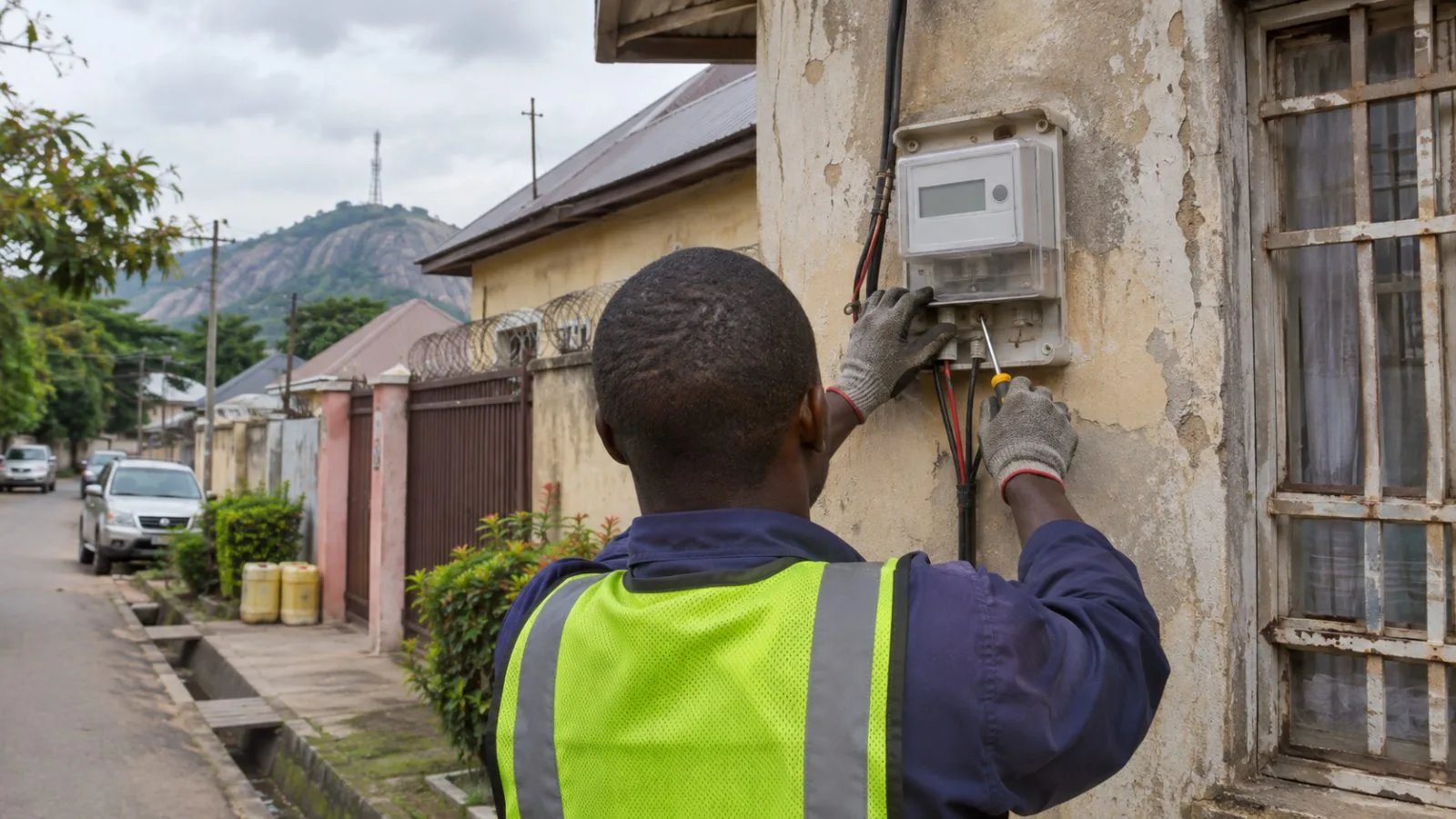
Consumers bear the effects through unreliable supply and reliance on diesel or petrol generators, although the reviewed sources do not quantify current private-generation costs. EconoTimes previously reported Nigeria’s unfinished power-sector work and metering expansion. The next concrete step identified by the State House is verification and negotiation of liabilities before any bond issuance.