Nigeria’s economy grew 4.2% in the first half of 2026 as public revenues rose, while Samuel Adeleke Adelaja argued investment in skills and infrastructure is needed to turn the gains into productive jobs.
The World Bank said services drove the expansion, with agriculture contributing more strongly. The National Bureau of Statistics (NBS) reported that real GDP grew 4.43% year over year in the second quarter, up from 3.89% in the first quarter and 4.23% a year earlier.
Gross federation revenue increased 69% in real terms between 2023 and 2025, largely because of exchange-rate reforms, petrol-subsidy removal and stronger revenue administration, the World Bank said. Aggregate state revenue rose about 93% and state expenditure about 92% over the same period. Capital spending grew from 46% to 61% of state expenditure.
The spending shares shifted unevenly. Education’s share of state expenditure fell from 14.9% in 2021 to 12.1% in 2025, while health remained around 7%. Social protection rose from 1.4% to 4.4%. Informal employment accounted for 93% of employment in the second quarter of 2024, the NBS reported; the bureau uses informality as one measure of employment quality.
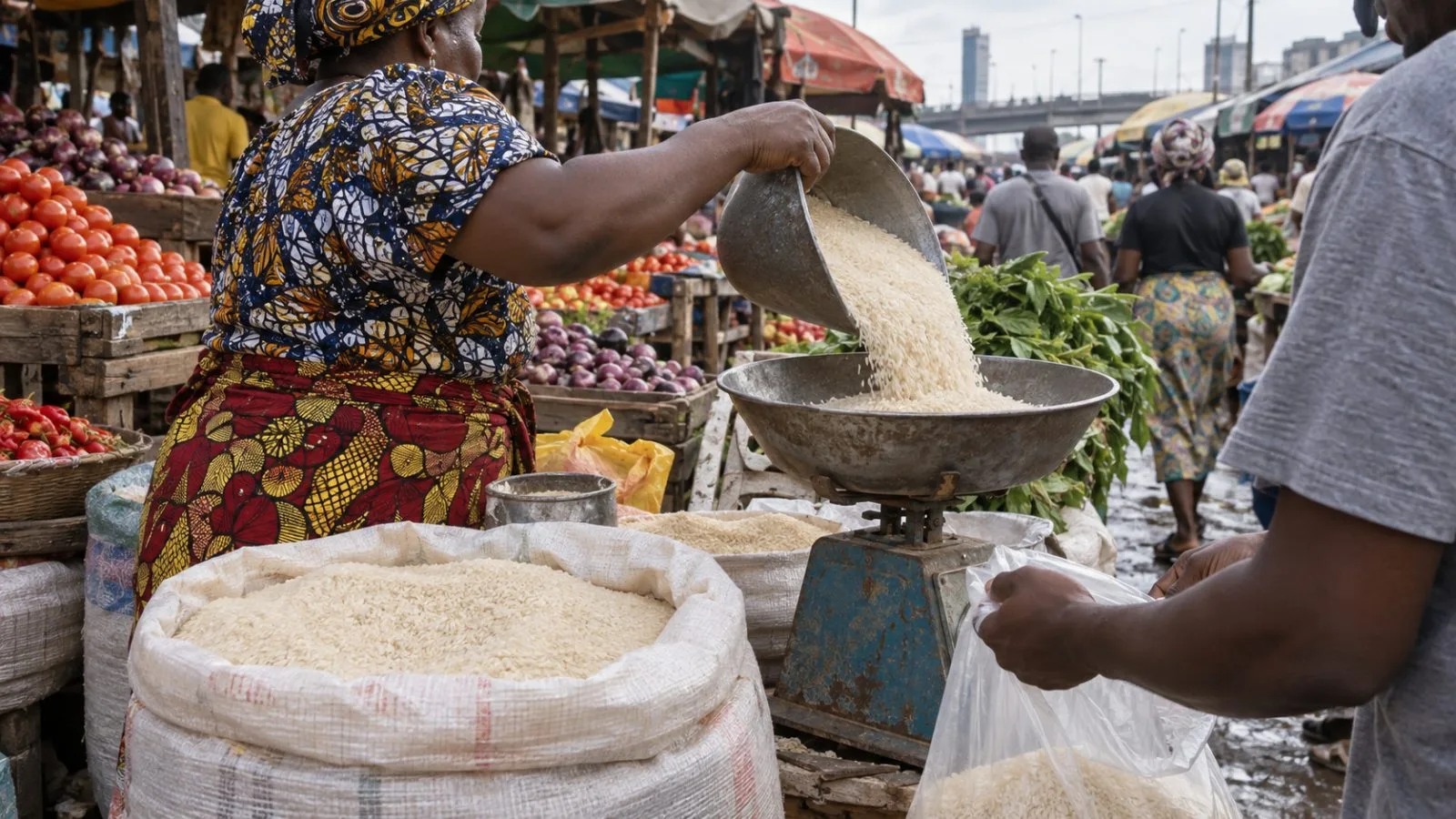
Higher oil prices helped Nigeria’s current-account surplus reach $12 billion, or 7.1% of GDP, in the first half of 2026, compared with $8.6 billion, or 6.7% of GDP, a year earlier. Gross external reserves rose above $54 billion in September, supported in large part by portfolio inflows, the World Bank said. But higher oil prices also slowed disinflation and weighed on household purchasing power. Annual inflation eased to 14.63% in September from 15.39% in August, the NBS said. The Central Bank of Nigeria set its monetary policy rate at 23% at its Sept. 21-22 meeting, down from 26.5% in July.
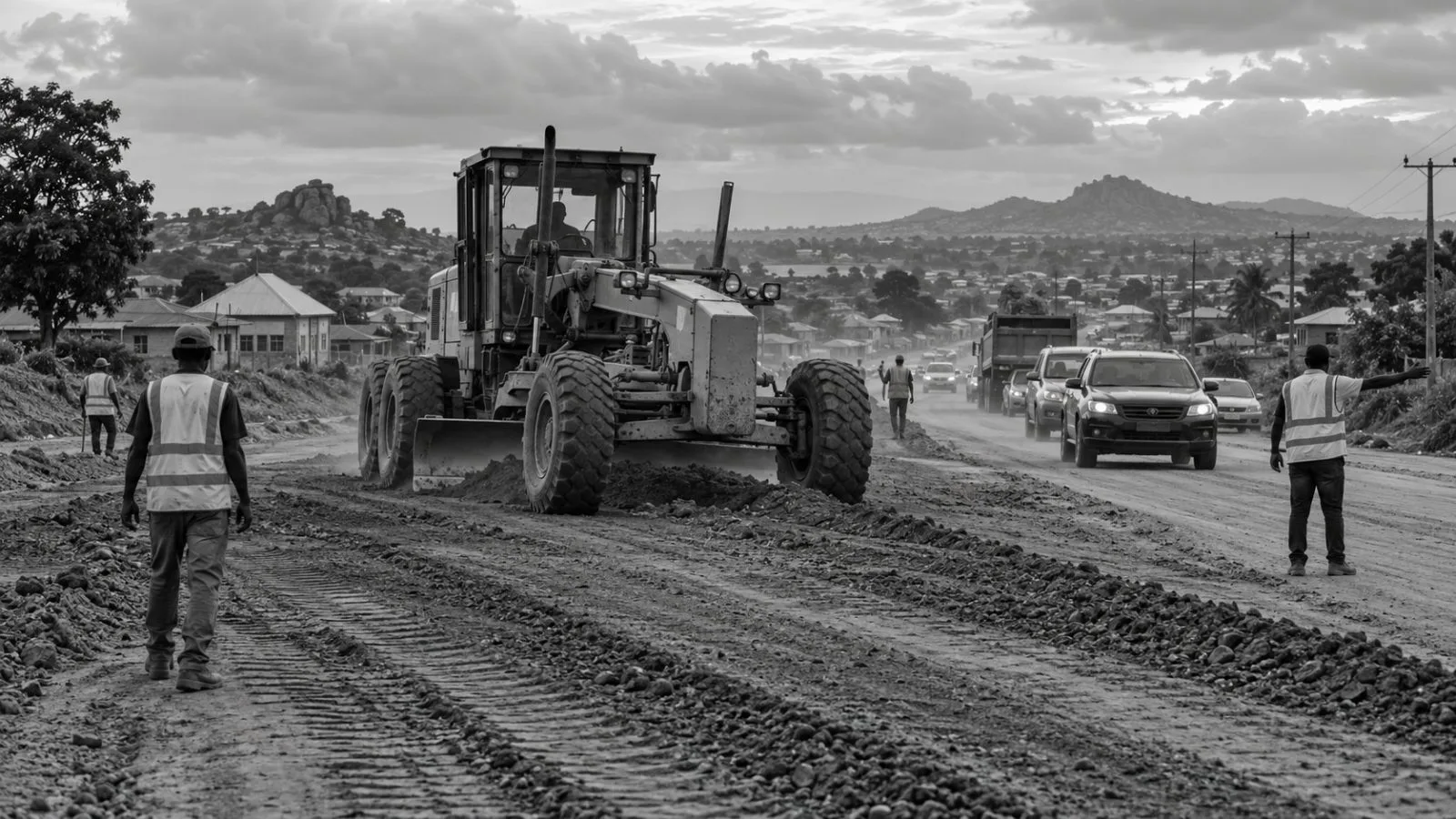
Adelaja, a director at AR Capital, argued in an opinion essay published by BusinessDay on Oct. 29 that Nigeria should prioritize workforce skills, electricity and digital connectivity over greater reliance on tariffs or import restrictions. One planned digital investment is Project BRIDGE, which the Federal Ministry of Communications, Innovation and Digital Economy says is designed to deploy 90,000 kilometers of fiber-optic infrastructure. A World Bank appraisal document lists a $500 million credit for the project.
“Strengthening spending efficiency, accountability, and service delivery will be essential to ensuring that public resources improve the lives of Nigerians,” said Mathew Verghis, the World Bank’s country director for Nigeria. The bank projects average annual GDP growth of 4.4% over 2026-28 and says better services and more job opportunities are needed to raise living standards.