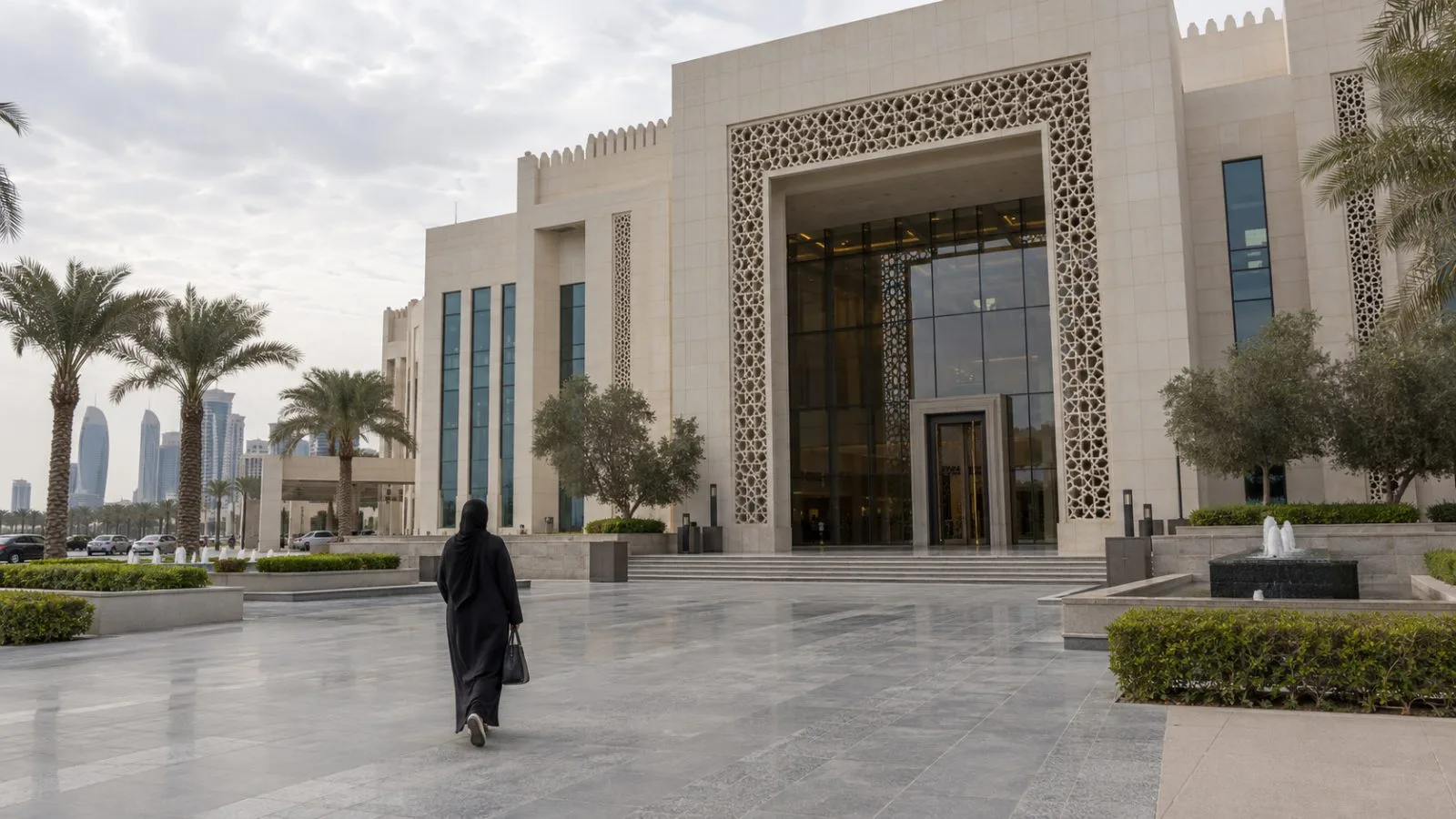
Whether Doha delivered a formal proposal to Tehran remains disputed, while Qatar’s Ministry of Foreign Affairs says its channel continues to carry exchanges between the U.S. and Iranian governments.
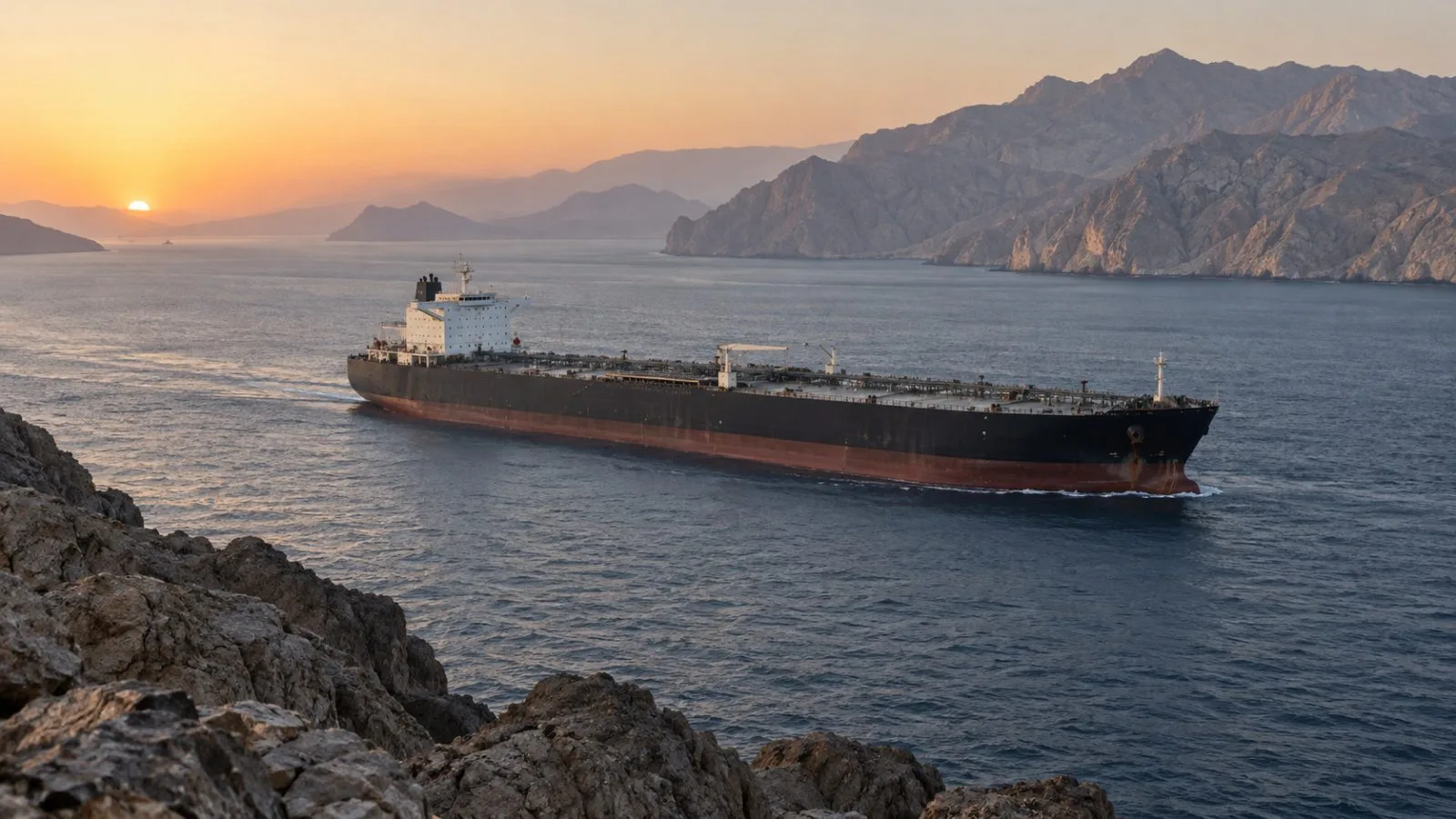
Qatar said Oct. 27 that its delegation’s Tehran visit formed part of its consultations and mediation work. The statement said partner governments were coordinating as the two capitals continued exchanging messages, but it did not set out terms for a new plan. Pakistan and Saudi Arabia were among partners named in Doha’s wider regional work, which the ministry linked to lower tensions and a broader security arrangement that includes safe transit through the Strait of Hormuz.
On Oct. 28, Sheikh Mohammed bin Abdulrahman bin Jassim Al-Thani, Qatar’s prime minister and foreign minister, told Jordan’s foreign minister Doha backed diplomatic efforts to keep maritime routes open and achieve a lasting settlement.
Reuters reported that an unnamed person outside Iran who had been briefed on negotiations said Qatar’s team took a draft to Tehran on Oct. 25. The source said the draft outlined a one-week process, pairing each day with a confidence-building measure and assigning guarantor roles to several countries. A senior Iranian official involved in the talks gave Reuters a different description, saying Doha had offered “unacceptable ideas and not an offer.” The official said Tehran’s position on its nuclear program had not changed.
Reuters said the accounts came from different unnamed officials. The agency also reported a difference in negotiating priorities: Washington wanted Iran’s nuclear program addressed at the beginning, while Tehran’s conditions included ending the U.S. blockade of Iranian ports and sanctions on Iranian oil exports. Reuters reported that an interim arrangement reached in June after earlier mediation soon fell apart.
On Oct. 28, Iranian Foreign Minister Abbas Araghchi said Tehran was consulting intermediaries about implementing its own “7-Day Plan.” His post did not refer to the reported Qatar draft.
The UAE president’s diplomatic adviser, Anwar Mohammed Gargash, called for restraint and political engagement. He warned that “wars only lead to further crises” and said diplomacy was the UAE’s route to security and stability.
The non-Iranian source cited by Reuters expected an answer from Tehran before the week ended; the agency did not report that as a deadline agreed by the parties.