Nvidia chief executive Jensen Huang said his responsibility was to help President Donald Trump make informed decisions about policies with global consequences, regardless of whether they served his company's interests.
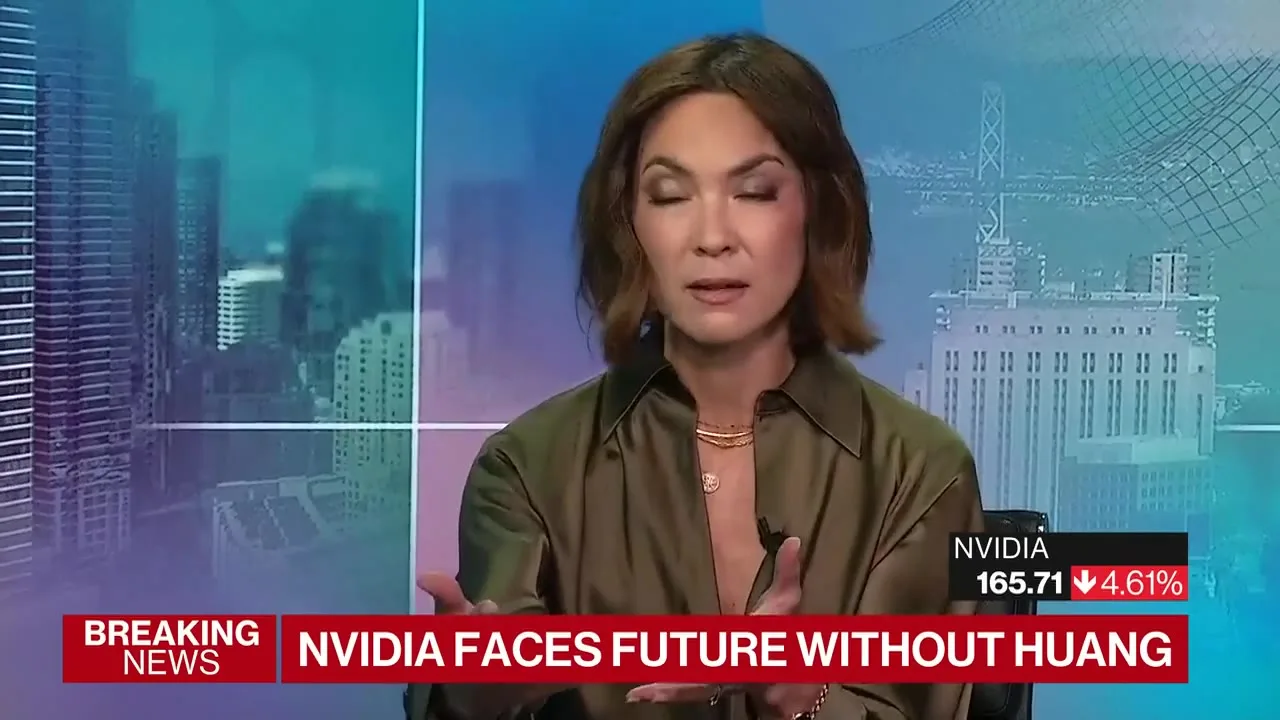
His comments put the company's dealings with Washington alongside questions about its leadership and business in China. Bloomberg Technology aired the interview excerpt in “What Is Nvidia Without Jensen Huang?”, published Nov. 12.
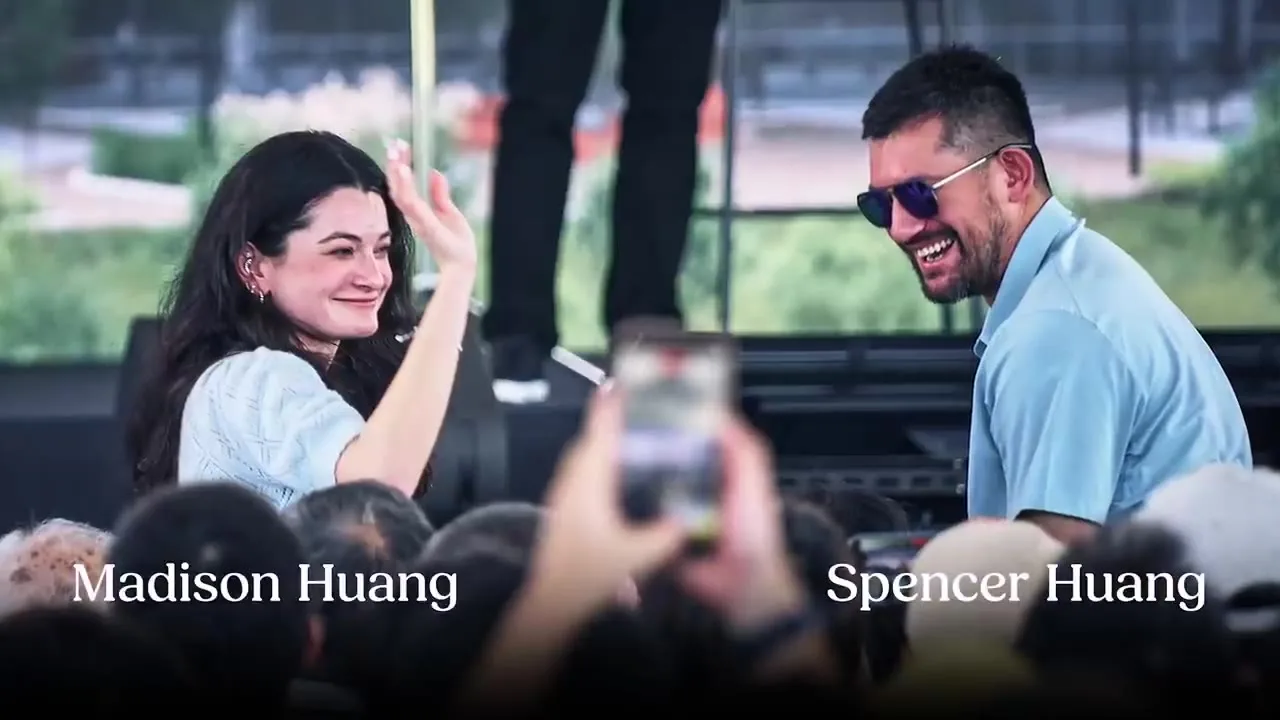
The discussion first addressed succession, including reports that Huang's daughter, Madison Huang, could eventually replace him. She works as director of product marketing, while his son and son-in-law also work at the company.
Nvidia has no obvious successor to Huang, who has run the company for 33 years, Bloomberg reported. Its management structure places him above 60 direct reports, with tens of thousands of employees beneath them.
Huang linked that structure to the company's success. The succession question therefore extends beyond choosing another leader to how Nvidia would operate under someone else.
The discussion also described Huang's personal involvement in relationships with developers, technology executives, founders and policymakers. A trip through France, Britain, Sweden and Germany illustrated how much of that contact runs through him.
Those relationships formed the backdrop to his remarks about Trump. Huang described his access to the president as an opportunity to explain how decisions affect people in the United States and elsewhere.
“It's not my job to agree or disagree,” Huang said. He described the consequences of policy decisions as extending beyond American citizens and the country's future prosperity to the rest of the world.
“It's only my concern that I have an opportunity to inform him, and that's it,” he said. He said that obligation held whether a decision benefited him or went against his interests.
The discussion then turned to China and the tension between Nvidia's identity as an American company that follows American law and its interest in selling chips there.
Huang's argument for continuing sales of the most advanced U.S. chips to China was that Chinese developers would build their work around American technology, making those chips more deeply embedded in the country's technology industry.
His argument also addressed the alternative: withholding those chips would encourage China to develop its own capabilities, hurting the United States. That was the business and policy case attributed to him.
The excerpt contained no succession timetable or designated replacement. Huang's remarks also offered no specific commitment from Trump on chip sales to China, leaving the policy outcome open.