Octopus Energy plans to pay British businesses for lowering or rescheduling power use during busy periods, a program the company says could reduce gas reliance and make better use of wind and solar power, The Independent reported Thursday.
Companies with electricity bills above £20,000 a month can register interest from Nov. 12, according to Octopus. Businesses do not have to be Octopus customers. Payments would be based on megawatts shifted out of peak periods, the company said, and could reach thousands or tens of thousands of pounds per year.
The Independent said the business scheme follows Octopus' household Saving Sessions program, which rewards customers for reducing use during periods of high demand, often on winter evenings. Alex Schoch, Octopus Energy's director of flexibility and electrification, said more than 1 million households already receive payments for adjusting when they use electricity.
The Independent reported that U.S.-based Voltus will operate the Octopus Peak Performance Programme. The outlet said Voltus has helped North American firms earn revenue by adjusting electricity demand; operating the UK program will bring the company into that market. Octopus Energy For Business customers that join can also use smart tariffs such as Shape Shifters, the company said.
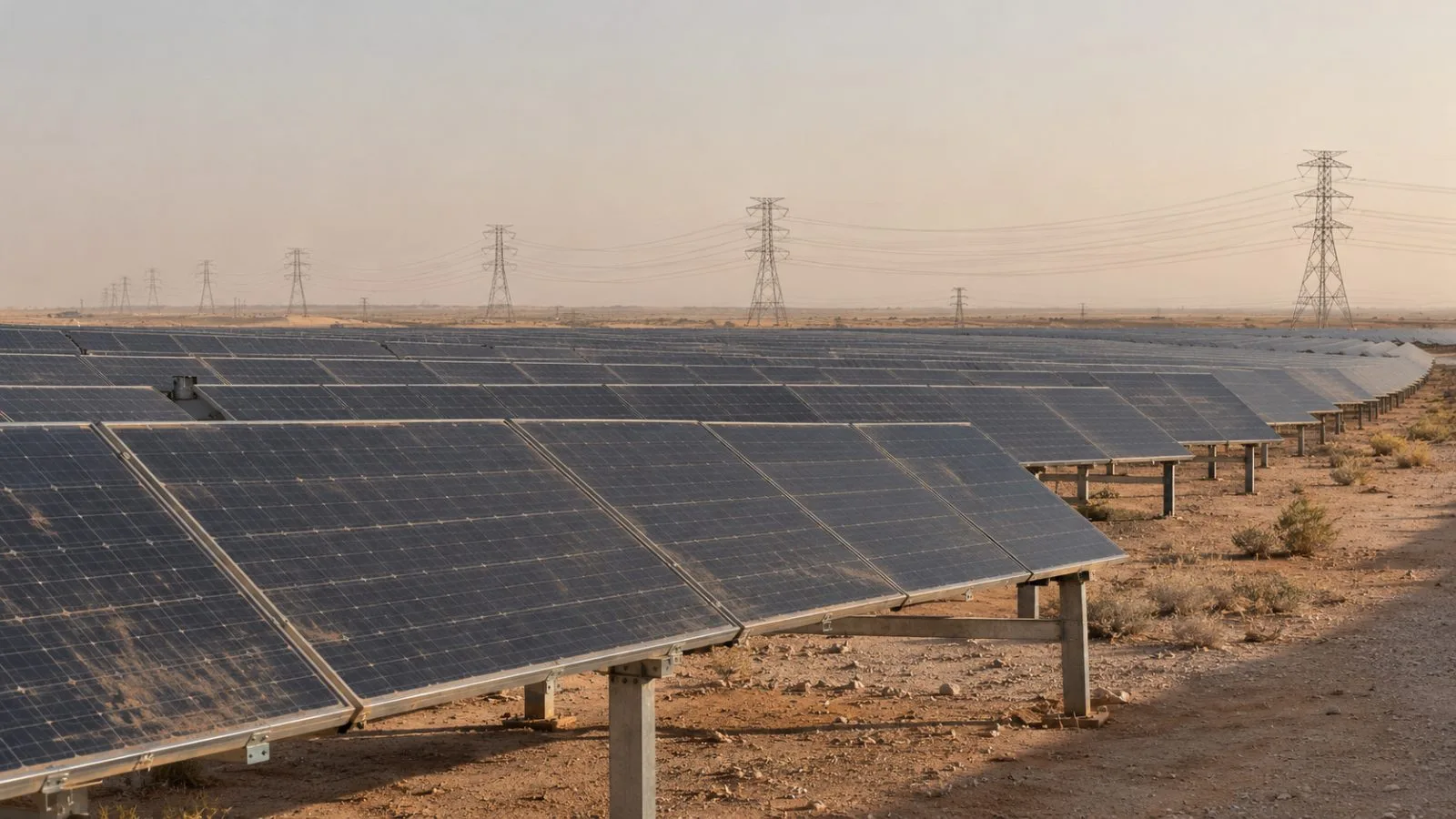
Octopus said the scheme is intended to lower Britain's dependence on gas and increase use of wind and solar power produced in the country. The Independent described British industrial electricity costs as among Europe's highest and linked the pressure to the country's exposure to changing gas prices. It reported that gas prices have risen in recent months amid supply disruptions tied to the Iran war.
According to The Independent, UK electricity prices respond to the generator brought in to supply the final increment of demand. A gas-fired plant often fills that role during heavy usage or when wind and solar output is low. The outlet also reported that the grid operator has faced tougher balancing conditions this year amid limited transmission capacity, severe weather and fluctuating renewable generation.
After a company registers, Octopus says it will examine its energy profile and whether peak-period cuts are possible without disrupting the business.