


 China Cuts Tariffs on U.S. Farm Goods but Excludes Soybeans
  ECB May Stop Rate Hikes After December, Capital Economics Says
  Oil Prices Jump Nearly 3% as Iran Holds Firm on Hormuz Conditions
  U.S. Stock Futures Fall as Iran, Oil and AI Risks Rattle Markets
  Australia Budget Deficit Narrows to A$22.3 Billion on Stronger Tax Revenue
  South Korea Tax Windfall Could Top 50 Trillion Won on Chip Boom
  RBA Hikes Interest Rate to 4.60% as Inflation Risks Rise
  BlackRock’s Rick Rieder Favors Bonds Over Stocks as Treasury Yields Surge
  Hong Kong Home Prices Stabilize in August After July Decline
  Oil Surge Pressures Global Stocks as U.S.-Iran Truce Hopes Fade
  Asian Stocks Fall as Oil Surge, Bond Yields and AI Concerns Hit Markets
  RBA Set for September Rate Hike as Inflation Stays High
  U.S. Stock Futures Steady as AI, Rate Concerns Weigh
  Europe’s AI Data Centre Boom Strengthens Case for Nuclear Power
  Gold Plunges 4% as Treasury Yields Surge and Fed Rate Hike Bets Rise
  South Korea Exports Set for 16th Monthly Gain on AI Chip Demand
  China Industrial Profit Growth Slows as Weak Demand Offsets AI Gains


 Add as a preferred source on Google
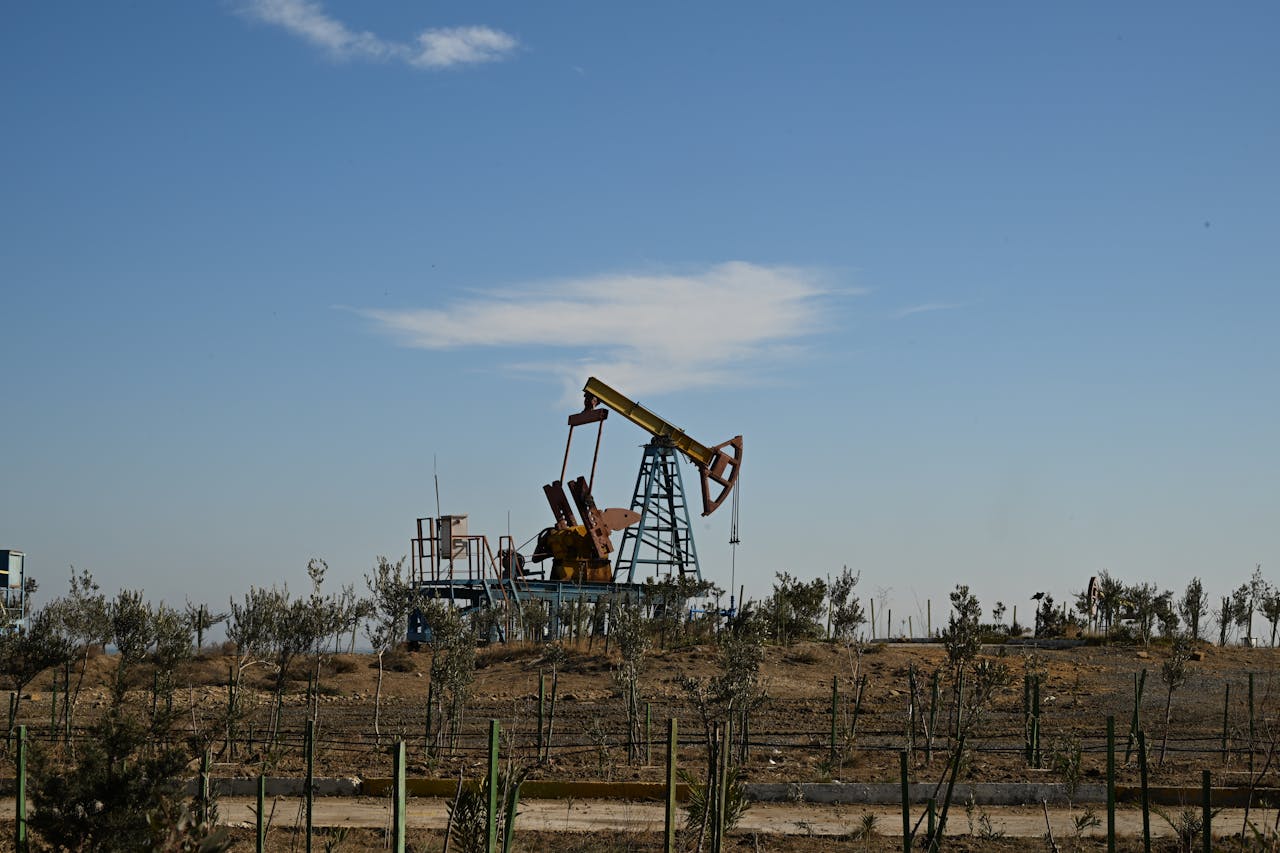
Oil prices edged higher in early Wednesday trading as ongoing Middle East instability continued to rattle energy markets, even as diplomatic efforts between the U.S. and Iran showed tentative signs of progress. Brent crude futures for June delivery climbed 66 cents, or 0.63%, to $104.63 per barrel, while U.S. West Texas Intermediate rose 96 cents to $102.34 per barrel.
The gains came after Brent posted a historic 64% monthly surge in March — its largest single-month rally on record dating back to 1988 — driven largely by supply disruptions stemming from the closure of the Strait of Hormuz, a critical chokepoint through which roughly 20% of the world's oil and liquefied natural gas passes.
Analysts at LSEG cautioned that despite active diplomatic channels and optimistic statements from U.S. officials, meaningful progress remains limited. Continued maritime attacks and direct threats against energy infrastructure are keeping supply risk elevated, they noted.
President Donald Trump told reporters Tuesday that the U.S. military campaign could wrap up within two to three weeks, adding that Iran need not reach a formal agreement for the conflict to end. Still, energy analysts warn that even a ceasefire may not quickly ease supply constraints, as extensive infrastructure damage is expected to keep output tight for some time.
OPEC production fell by 7.3 million barrels per day in March compared to the prior month, according to a Reuters survey, underscoring the severe impact of forced export reductions tied to the strait's blockage. In response, analysts raised their 2026 Brent crude price forecast by approximately $19 per barrel — from $63.85 to $82.85 — marking the steepest upward revision in Reuters' monthly oil poll history, which dates to 2005.
With no clear resolution in sight, global energy markets remain on edge.







