Oil prices fell on Monday as progress in U.S.-Iran negotiations reduced fears of a potential supply disruption in global energy markets. The decline came after Iranian officials announced they had secured waivers for oil and petrochemical exports following the first round of talks with the United States in Switzerland.
Brent crude futures dropped $1.53, or 1.9%, to $79.04 per barrel after briefly rising to $82.30 earlier in the session. Initial gains were driven by concerns over renewed geopolitical tensions, including statements from U.S. President Donald Trump regarding possible military action against Iran and Tehran’s announcement of another closure of the Strait of Hormuz. Meanwhile, U.S. West Texas Intermediate (WTI) crude traded at $76.53 per barrel, while the more actively traded August contract fell to $75.30.
The latest U.S.-Iran talks concluded with both sides agreeing to establish a high-level committee, signaling potential progress toward a broader agreement. Iranian Foreign Minister Abbas Araqchi stated that the discussions resulted in export waivers, access to some frozen assets, and plans for reconstruction and economic development in Iran.
Market analysts noted that while the diplomatic developments are encouraging, significant challenges remain. Ongoing tensions in the Middle East, particularly in Southern Lebanon, continue to create uncertainty. Recent Israeli strikes in Lebanon and clashes involving Hezbollah highlight the fragile nature of the current ceasefire arrangements.
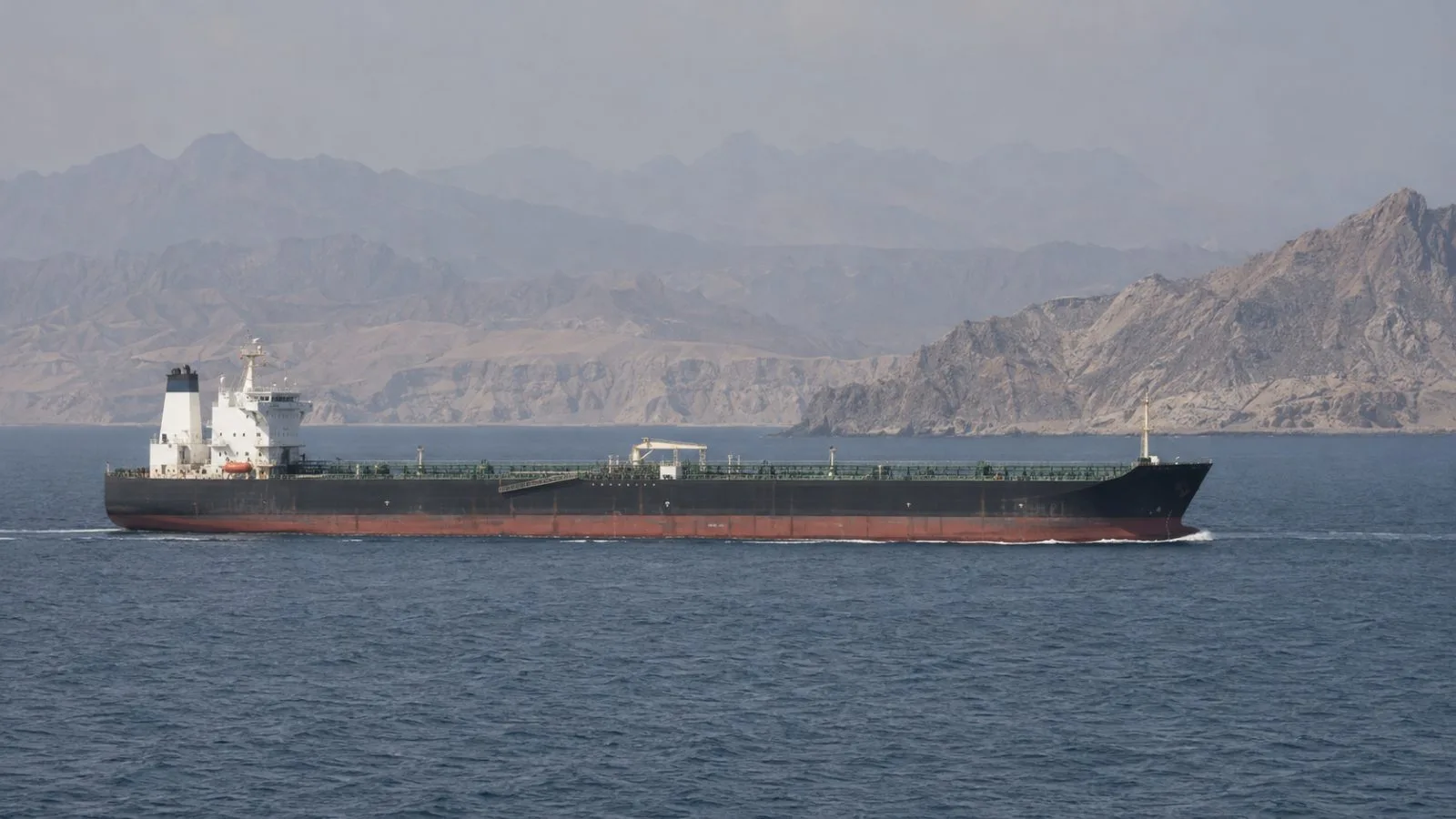
Concerns about the Strait of Hormuz also remain in focus. Shipping data showed a sharp decline in vessel traffic through the critical waterway after Iran announced renewed restrictions. The Strait is a key route for global oil shipments, making any disruption a major factor for energy markets.
Despite these risks, oil prices have come under pressure due to expectations of increased supply. Brent crude lost more than 8% last week amid hopes that stranded Gulf cargoes would return to the market and that U.S. sanctions on Iranian oil exports could eventually be eased.
Adding to supply expectations, Iran reported that more than 25 million barrels of oil had moved through the region in the past week. The United Arab Emirates, Kuwait, and Iraq have also increased oil offerings to customers, while Iraq plans to gradually raise crude production to between 4.2 million and 4.3 million barrels per day. These developments have helped ease concerns about global oil supply shortages and weighed on crude oil prices.