Oil prices moved lower during Asian trading on Thursday, ending a three-session rally as investors took profits following recent gains. Despite the pullback, crude markets remained supported by growing geopolitical tensions in the Middle East and signs of tightening oil supplies in the United States.
Brent crude futures for August delivery declined 0.7% to approximately $97.16 per barrel, while U.S. West Texas Intermediate (WTI) crude futures fell 0.8% to around $95.30 per barrel. The retreat came after both benchmarks climbed nearly 2% in the previous session, reaching their highest levels in more than a week.
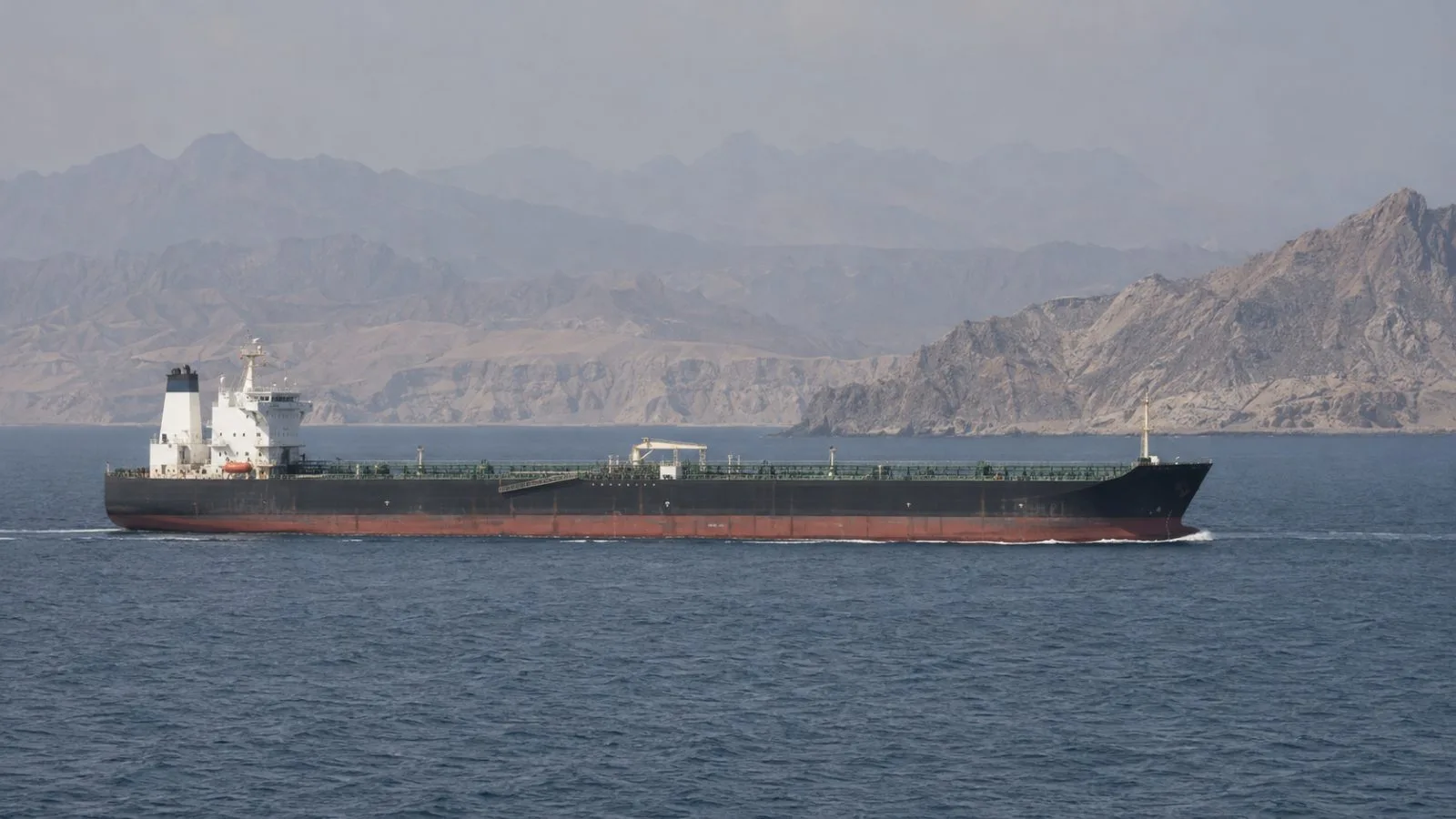
Market sentiment continues to be heavily influenced by escalating tensions involving the United States and Iran. Recent reports of Iranian missile attacks targeting Kuwait and Bahrain, along with U.S. military strikes on Iran’s Qeshm Island near the strategically important Strait of Hormuz, have increased concerns over potential disruptions to global oil supplies. Adding to regional uncertainty, Israeli forces have intensified military operations in southern Lebanon against Hezbollah positions.
Investors are also watching diplomatic developments closely. The United States announced that Israel and Lebanon had agreed to a ceasefire arrangement, although its success depends on Hezbollah suspending military activities. Meanwhile, negotiations between Washington and Tehran have shown limited progress, fueling fears that the conflict could continue and threaten energy markets.
However, some concerns eased after U.S. President Donald Trump stated in a podcast interview that Iran had agreed not to pursue nuclear weapons, raising hopes for a possible diplomatic resolution.
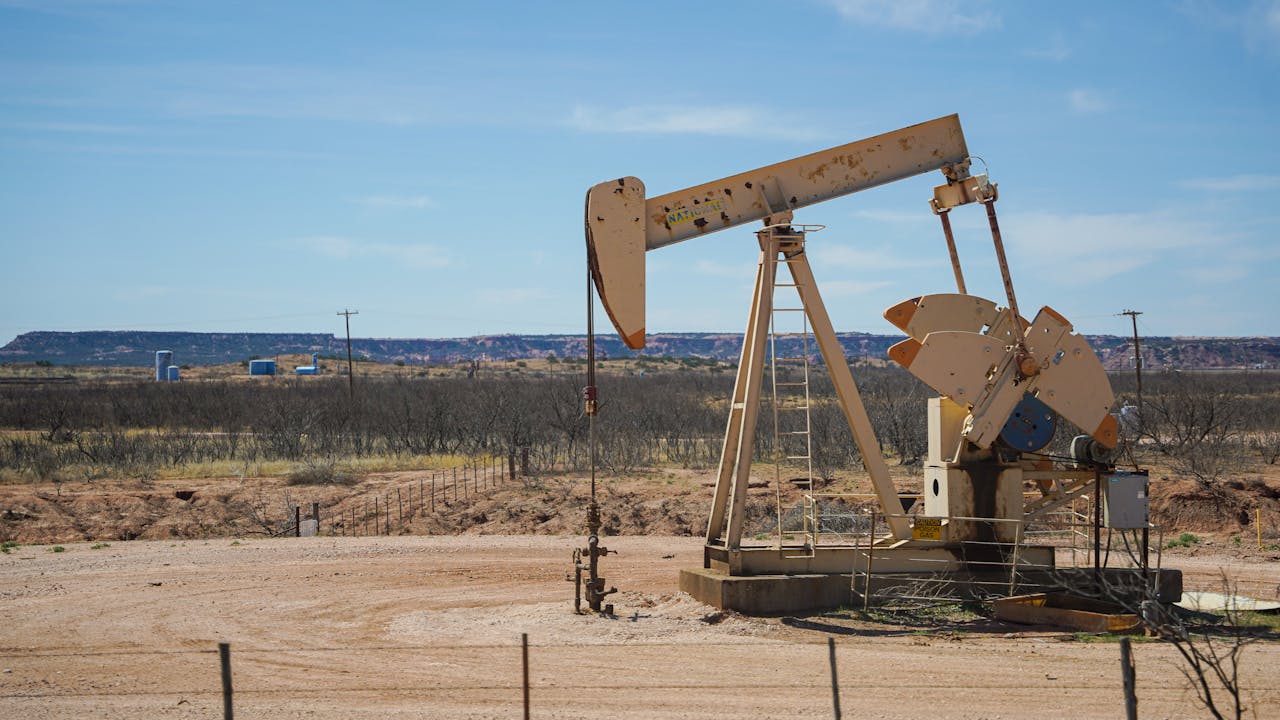
Oil prices also found support from stronger-than-expected U.S. inventory data. According to the Energy Information Administration (EIA), U.S. crude stockpiles dropped by 8 million barrels in the week ending May 29, significantly exceeding analyst forecasts for a decline of roughly 3 million barrels.
Additionally, U.S. crude exports surged to 5.9 million barrels per day, one of the highest levels on record, as buyers in Europe and Asia sought alternative energy supplies amid Middle East-related disruptions. The EIA also warned that global oil inventories are shrinking rapidly and could reach critically low levels ahead of peak summer demand, providing further support for crude prices.
As traders continue monitoring geopolitical developments, U.S. inventory trends, and global supply conditions, oil markets are expected to remain volatile in the coming weeks.