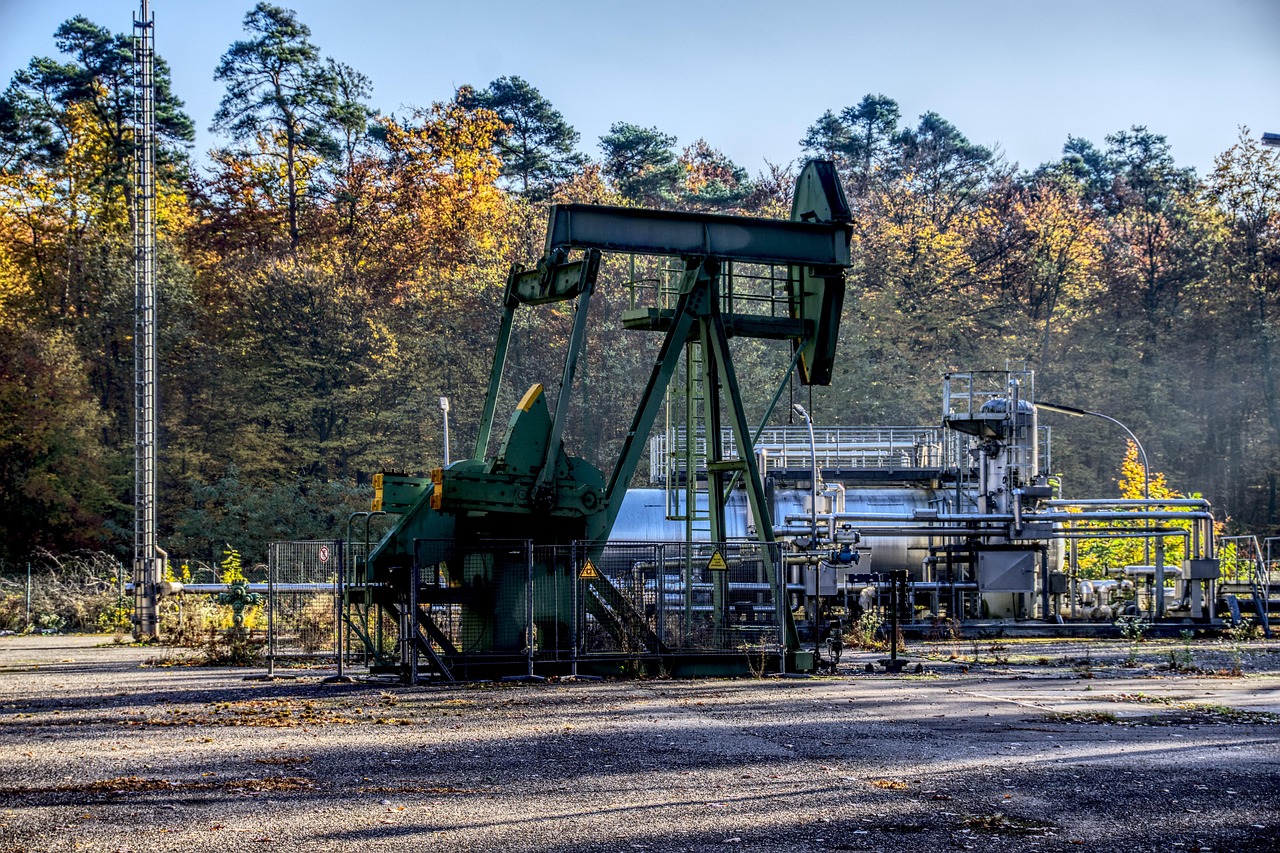
Oil prices edged lower on Monday but remained firmly above the $100 mark as geopolitical tensions in the Middle East and stalled U.S.-Iran negotiations continued to influence global energy markets. Brent crude futures dropped 64 cents, or 0.59%, to $107.53 per barrel, while U.S. West Texas Intermediate (WTI) crude fell 84 cents, or 0.82%, to $101.10 per barrel. These declines followed sharper losses recorded at the end of last week.
Market sentiment shifted after U.S. President Donald Trump announced efforts to assist ships stranded in the Strait of Hormuz, a critical global oil transit route. In a statement shared on Truth Social, Trump emphasized that the United States would help ensure safe passage for vessels navigating restricted waterways, aiming to stabilize trade flows and reduce supply disruptions.
Despite this development, oil prices continue to be supported by ongoing uncertainty surrounding the lack of a formal U.S.-Iran peace agreement. The Strait of Hormuz remains partially constrained, limiting oil transportation and maintaining upward pressure on crude prices. Analysts note that negotiations between Washington and Tehran have made little progress, with both sides unwilling to compromise on key demands.
Adding to the complexity, the Organization of the Petroleum Exporting Countries and its allies (OPEC+) confirmed a modest production increase of 188,000 barrels per day for June. This marks the third consecutive monthly output hike, although the actual supply boost may be limited due to continued disruptions linked to regional conflict. The adjustment excludes the United Arab Emirates, which exited OPEC earlier in May.
Overall, the global oil market remains highly sensitive to geopolitical risks, supply chain disruptions, and diplomatic developments. As long as tensions in the Gulf persist and negotiations remain unresolved, crude oil prices are likely to stay elevated, with investors closely monitoring any signs of progress or escalation in the region.