Oil prices surged Tuesday as markets reacted to fresh uncertainty in the Middle East, with Iran publicly denying it had held any negotiations with Washington — directly contradicting statements from U.S. President Donald Trump, who suggested a diplomatic agreement was within reach.
Brent crude futures jumped 4%, reaching $103.94 per barrel, while U.S. West Texas Intermediate climbed to $91.62, also gaining 4%. The rebound follows a sharp 10% drop on Monday after Trump announced a five-day pause on planned strikes against Iranian power plants, citing preliminary talks that yielded "major points of agreement." Tehran dismissed these claims as market manipulation, with Iran's Revolutionary Guards calling Trump's remarks a psychological ploy.
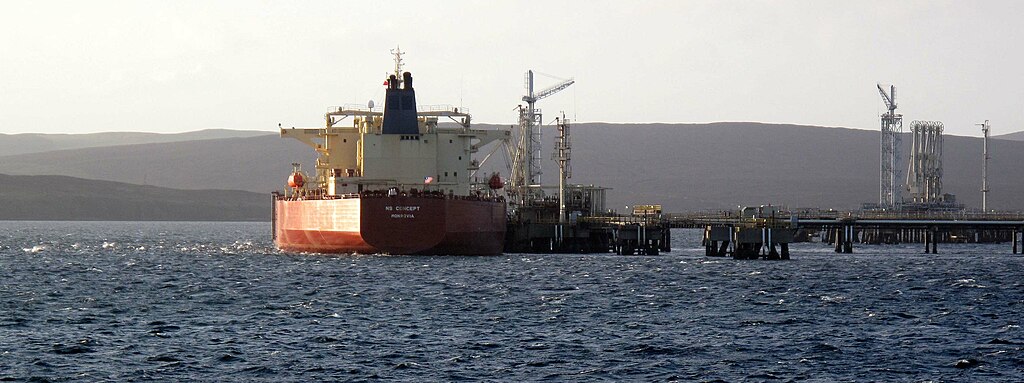
KCM Trade chief market analyst Tim Waterer noted that shelving the strike plan temporarily drained the war premium from crude prices, but cautioned that the Strait of Hormuz remains far from open. The critical shipping lane — responsible for transporting roughly one-fifth of the world's oil and liquefied natural gas — has been severely disrupted since the conflict escalated, though two tankers bound for India successfully passed through on Monday.
Analysts at Macquarie forecast a price floor between $85 and $90 per barrel, with a potential drift toward $110 as long as the strait remains compromised. Should the disruption extend through late April, Brent could spike to $150 per barrel.
Infrastructure attacks continued across the region, with targets hit in Isfahan and Khorramshahr, Iran. In response to tightening supply, the U.S. temporarily lifted sanctions on Russian and Iranian oil already at sea. The International Energy Agency also signaled it may authorize further releases from strategic reserves if conditions worsen.
Energy executives and ministers meeting in Houston warned of prolonged economic consequences, even as U.S. Energy Secretary Chris Wright sought to downplay the severity of the ongoing crisis.