Oil prices edged higher during Asian trading on Friday and remained on course for their strongest weekly gain in months as escalating military tensions between the United States and Iran continued to raise concerns over potential disruptions to global crude supplies.
Brent crude futures for September delivery climbed 0.8% to $84.88 per barrel, while U.S. West Texas Intermediate (WTI) crude futures gained 0.9% to $79.62 per barrel. Both benchmarks were on track to post weekly gains of more than 11%, reflecting a sharp geopolitical risk premium driven by the worsening conflict in the Middle East.
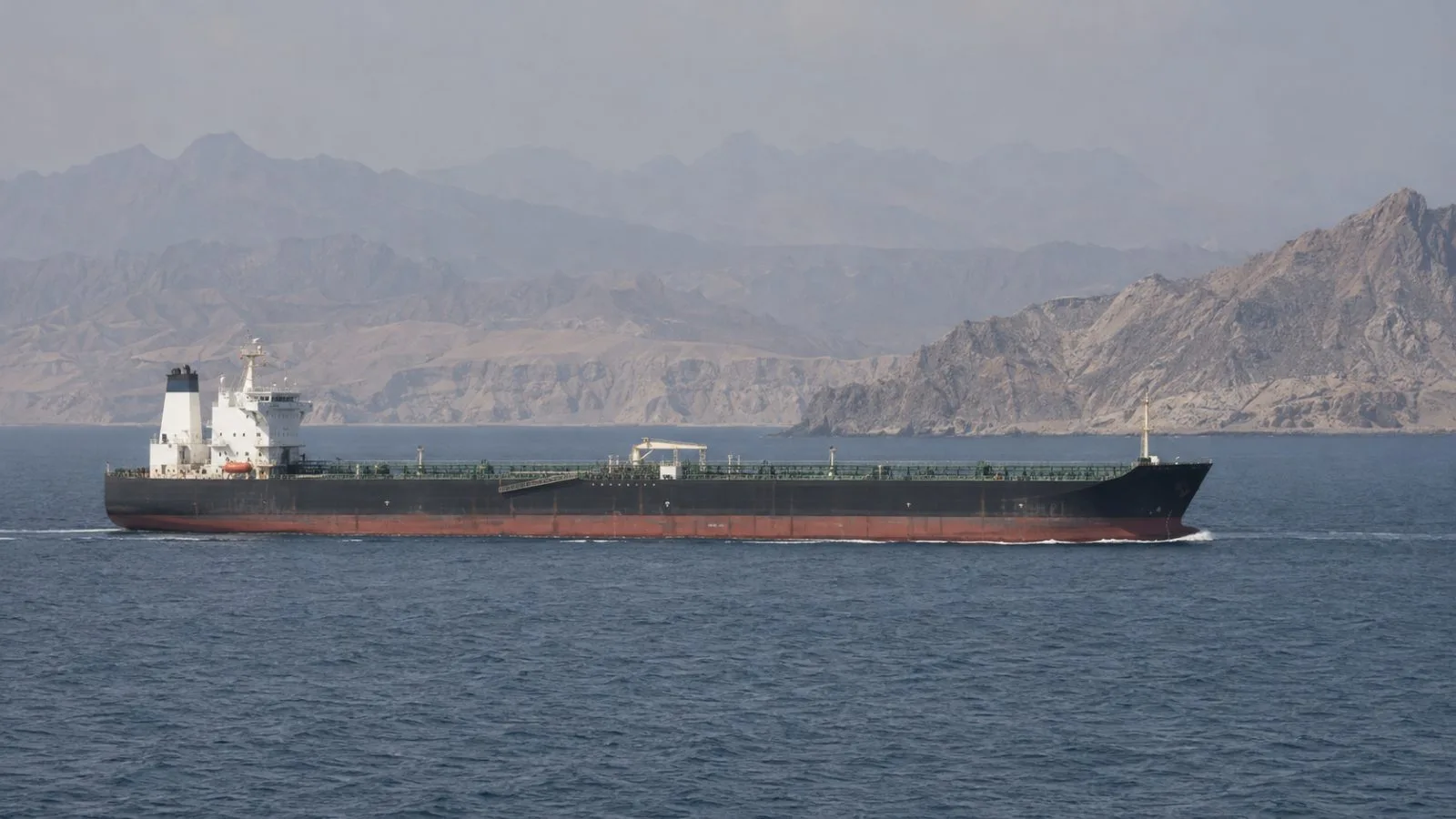
The latest advance follows a sixth consecutive night of U.S. military strikes targeting Iranian positions. Washington said the operations are intended to weaken Iran’s military capabilities, while Tehran has repeatedly warned it could disrupt shipping through the Strait of Hormuz, one of the world’s most important energy trade routes. Roughly 20% of global oil and fuel shipments pass through the strategic waterway, making any threat to maritime traffic a major concern for energy markets.
Shipping activity has already slowed after the United States reinstated a naval blockade on Iranian ports, increasing worries over regional supply flows. However, despite Monday’s sharp 10% rally, oil prices have avoided another major spike as investors weigh the possibility of prolonged supply disruptions against the likelihood that other major producers could offset any potential supply losses.
Market participants are also closely monitoring diplomatic efforts aimed at reducing tensions. Reports indicate that regional mediators, including Qatar, Egypt, and Pakistan, continue to pursue negotiations despite the collapse of an earlier ceasefire agreement.
Supporting the bullish outlook, recent U.S. inventory data signaled tightening crude supplies. The Energy Information Administration (EIA) reported that U.S. crude stockpiles fell by 1.7 million barrels to 409.7 million barrels in the week ended July 10, exceeding market expectations. Gasoline inventories also declined by 1.5 million barrels. Earlier figures from the American Petroleum Institute (API) showed a smaller draw of around 564,000 barrels, reinforcing expectations of firm demand and a tighter oil market.
With geopolitical uncertainty and shrinking inventories supporting prices, traders remain focused on developments in the Middle East for further direction in global oil markets.