Global oil prices climbed sharply on Wednesday as U.S. President Donald Trump intensified pressure on Iran, raising concerns over prolonged disruptions in the Middle East and tightening global energy supplies. Brent crude futures for August delivery rose 2.1% to $93.33 per barrel, while U.S. West Texas Intermediate (WTI) crude futures for July gained 2.4% to $90.27 per barrel.
The latest rally in crude oil prices followed Trump's remarks accusing Iran of delaying the signing of a negotiated peace agreement. The president warned that Tehran would face additional military action, stating that the United States would continue responding aggressively if progress toward a deal remained stalled. His comments dampened market hopes for a diplomatic resolution to the ongoing conflict, which has entered its fourth month.
Adding to market uncertainty, Trump disclosed a previously undisclosed U.S. military operation designed to help commercial vessels navigate the Strait of Hormuz. According to the president, more than 200 ships carrying over 100 million barrels of oil have safely passed through the critical waterway under U.S. protection. However, Energy Secretary Chris Wright later told lawmakers he was unaware of the operation, creating further questions about the mission.
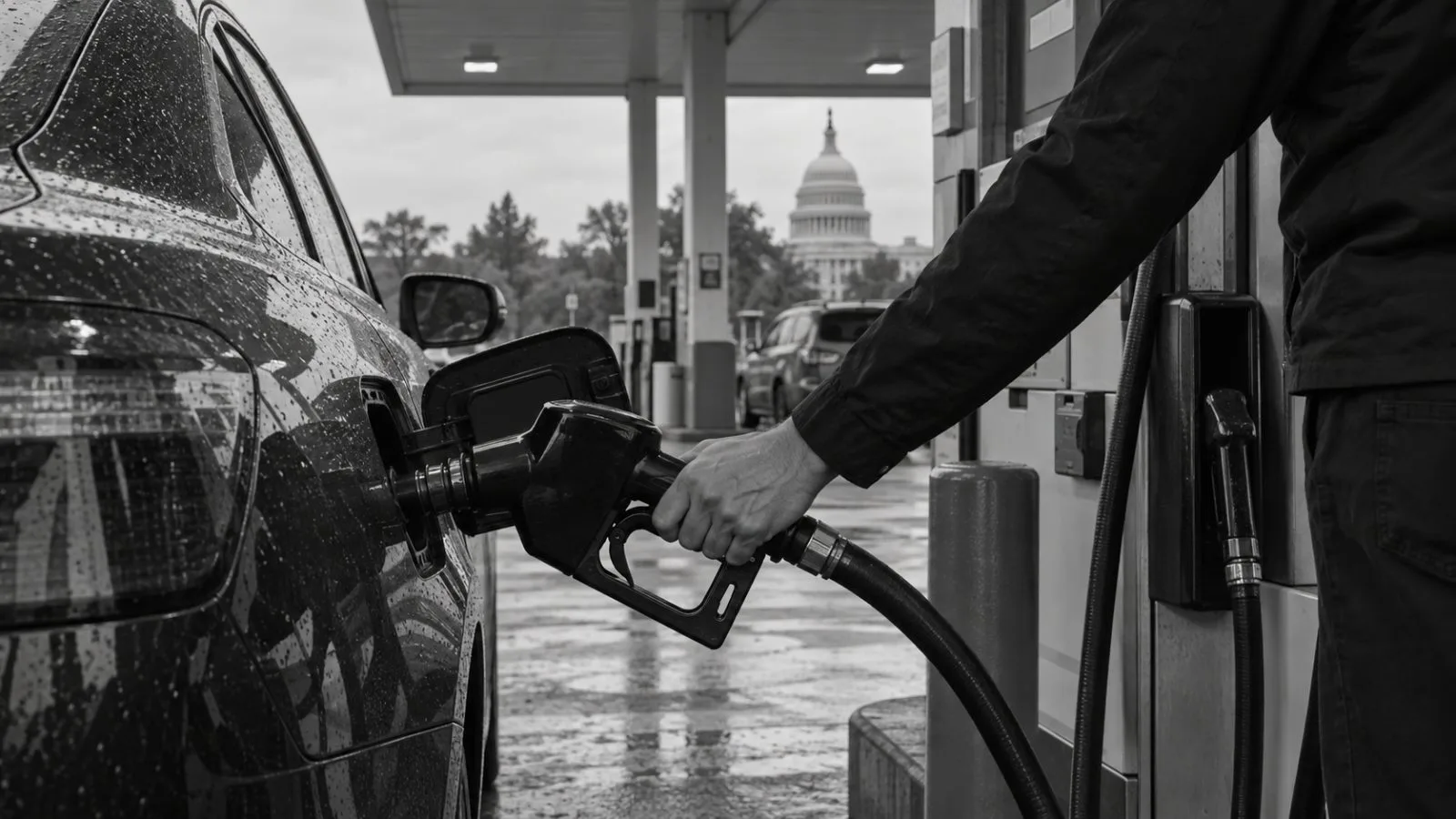
Meanwhile, fresh economic data highlighted the growing impact of rising energy costs on the U.S. economy. Consumer inflation data for May showed energy prices jumping 23.5% year-over-year, while gasoline prices surged 40.5%, marking the strongest increases since 2022. Although headline inflation accelerated, softer core inflation readings eased some concerns among investors.
Supply concerns also supported higher oil prices. The U.S. Energy Information Administration reported that commercial crude inventories fell by 7.2 million barrels during the week ending June 5, significantly exceeding analyst expectations. Strategic Petroleum Reserve holdings declined to 349.2 million barrels, their lowest level since August 2023.
With geopolitical risks escalating, shrinking inventories, and persistent disruptions around the Strait of Hormuz, energy markets remain highly sensitive to developments in the Middle East, keeping oil prices elevated heading into the second half of 2026.