Global oil prices fell sharply on Monday, with Brent crude and West Texas Intermediate (WTI) both dropping more than 4% after reports emerged that the United States and Iran had reached an interim peace agreement aimed at reopening the Strait of Hormuz, one of the world’s most important oil shipping routes.
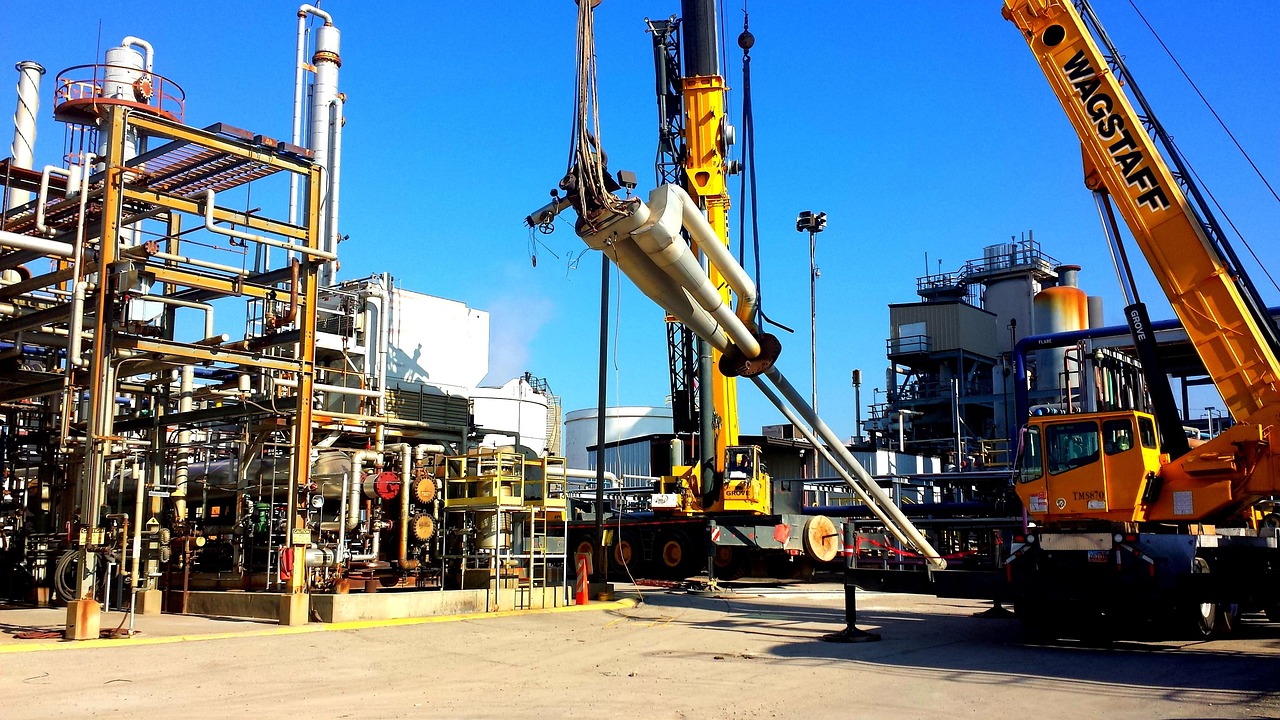
Brent crude futures for August delivery declined 4.3% to $83.55 per barrel, while WTI crude futures for July delivery slipped 4.3% to $81.22 per barrel. The decline reflects growing optimism that oil supply disruptions caused by months of conflict could soon ease.
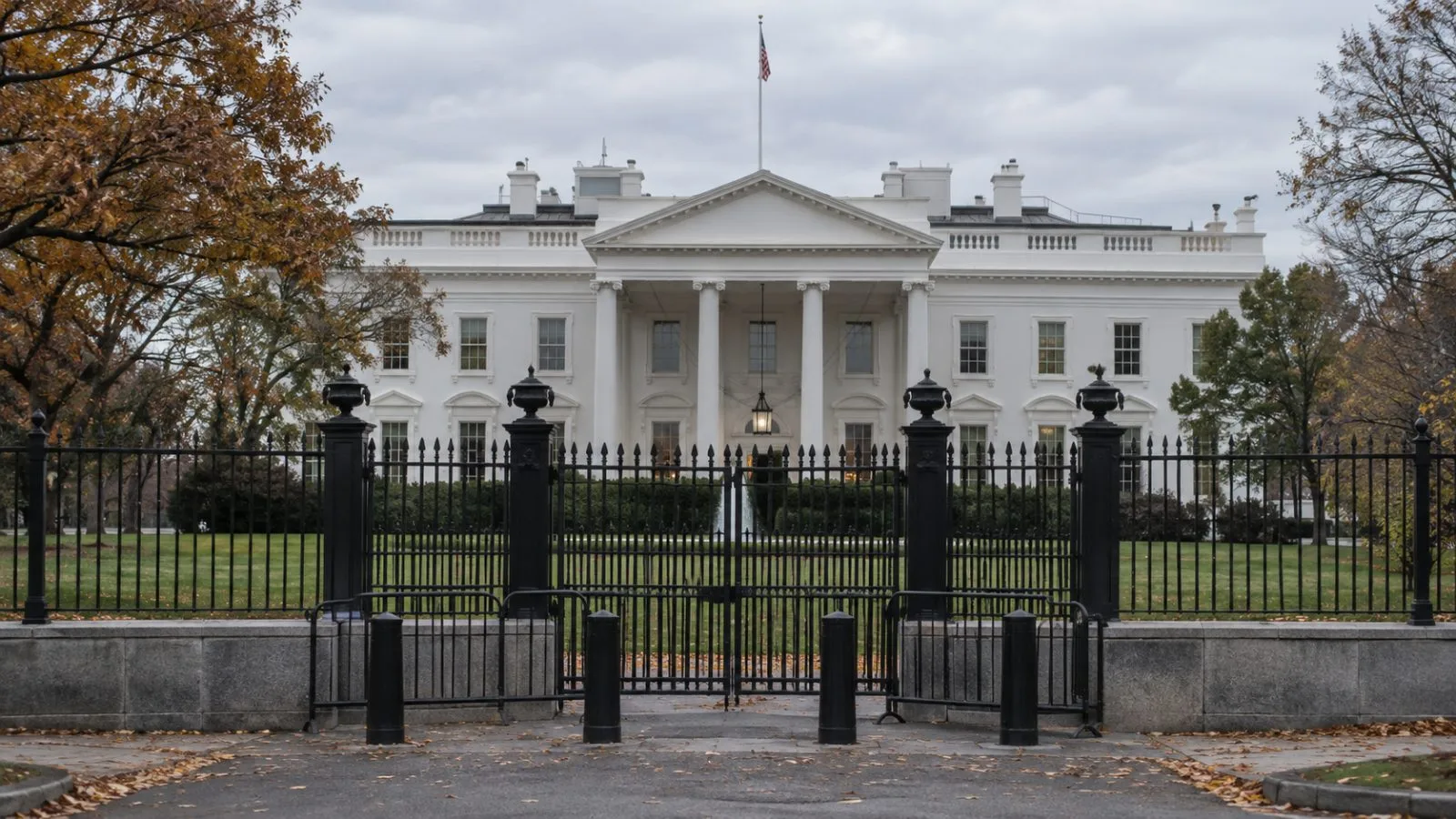
According to statements from U.S. President Donald Trump and Iranian officials, the two countries have agreed in principle to end hostilities and restore shipping access through the Strait of Hormuz. A memorandum of understanding is expected to be signed in Switzerland on Friday, with Pakistan serving as a key mediator in the negotiations.
The agreement reportedly includes the reopening of the strategic waterway and the removal of the U.S. naval blockade on Iranian ports. Iran has also indicated that the deal could lead to the lifting of U.S. sanctions, while further talks on Tehran’s nuclear program and other unresolved issues are expected over the next 60 days.
The prospect of renewed oil flows has reduced fears of a prolonged global energy supply shock. Analysts say lower crude prices could help ease inflationary pressures and reduce concerns over additional interest rate hikes by major central banks.
Despite the positive market reaction, analysts caution that geopolitical risks remain and that oil prices may find support from tightening inventories. Data released Monday showed that U.S. Strategic Petroleum Reserve (SPR) holdings have fallen to 340.3 million barrels, the lowest level since 1983, following extensive government drawdowns aimed at controlling fuel prices.
Market participants are now closely watching upcoming U.S. inventory data and developments surrounding the formal signing of the U.S.-Iran agreement, both of which could influence the next direction for global oil prices.