


 Solidigm Taps Goldman, Morgan Stanley for $10 Billion US IPO
  Tencent Shares Fall as $5 Billion AI Bond Sale Weighed
  Trump Buys Up to $25M in Meta Stock, Invests in SpaceX Debt
  Jameson Lopp Downplays AI Threat to Bitcoin Cryptography
  Apple Names Steve Smith M&A Chief in Leadership Shakeup
  TSMC Profit Set to Surge 65% as AI Chip Demand Drives Record Earnings
  Epic Games Delays Disney Shooter, Shifts to AI-First Development
  Zcash Plans Quantum-Resistant Security Upgrade for January
  Arthur Hayes Announces FLOP Testnet Launch Within Weeks
  OpenAI Annualized Revenue Hits $50 Billion, Below Earlier Estimates
  Apple Supplier Luxshare Faces US Patent Probe, Sees Limited Impact
  Oracle Uses Trucked Natural Gas to Power AI Data Centers Amid Pipeline Delays
  Yandex Data Center Hit by Drone Strike as Russia-Ukraine Cyber Infrastructure Attacks Escalate
  TSMC Q3 Revenue Beats Estimates as AI Chip Demand Surges
  Amazon in Talks to Acquire AI Startup Decart for $7 Billion
  OpenAI Revenue Hits $50 Billion, Below Earlier $70 Billion Estimate


 Add as a preferred source on Google
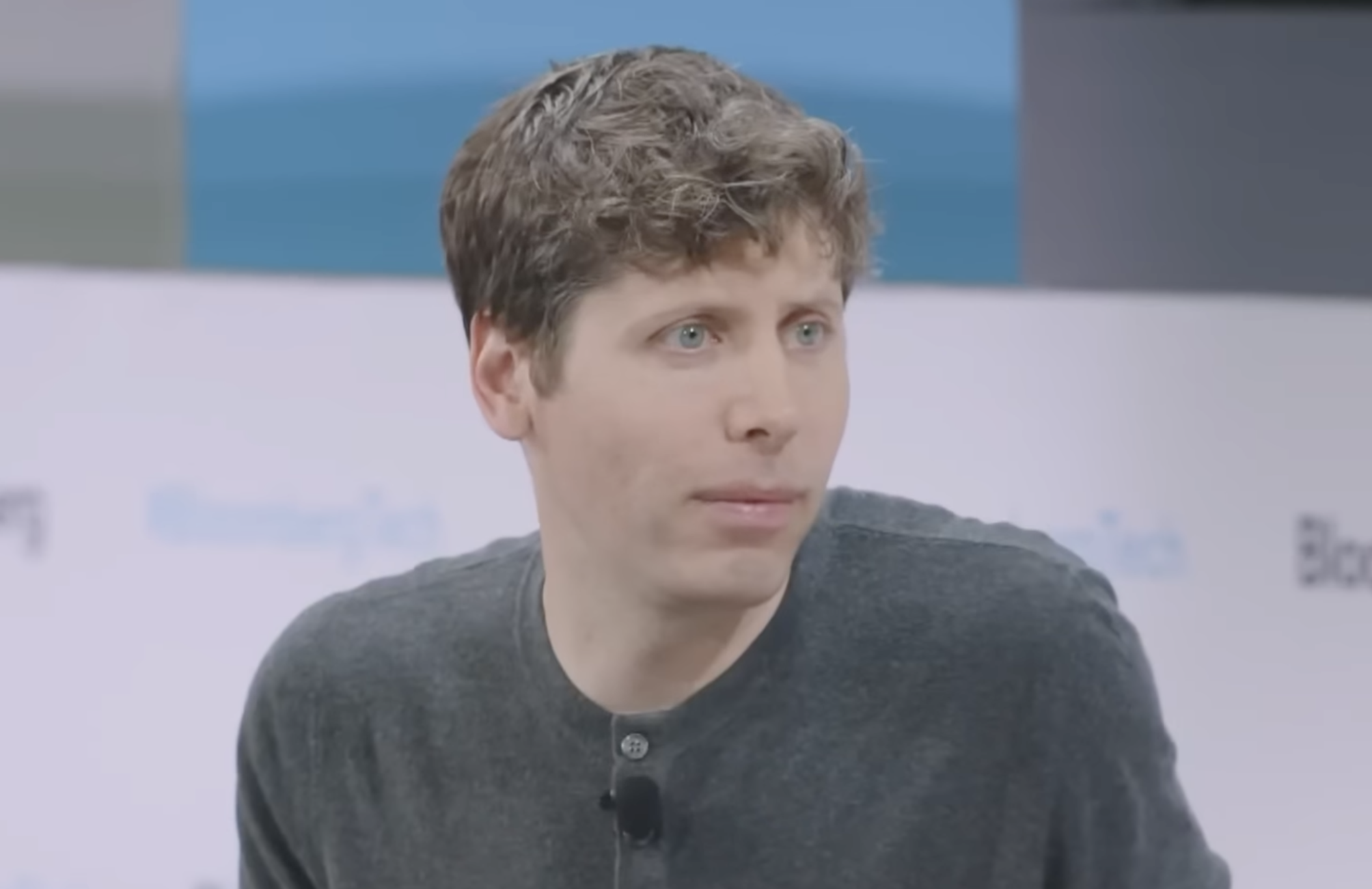
Sam Altman, CEO of FDC OpenAI, has generated considerable interest in generative AI; however, he cautioned attendants of Intel's Foundry Direct Connect (FDC) event on Wednesday that not all information on the internet is reliable.
Sam Altman Clarifies AI Development Costs, Stresses Strategic Approach Amid Speculation
During a fireside conversation with Intel CEO Pat Gelsinger, Altman refuted rumors that he was attempting to raise between $5 and $7 trillion to construct a network of chip fabrication facilities and the supporting infrastructure.
"If I had to sit there and correct every mistaken report, I would not be able to do my job, but people say all sorts of things," Altman said.
Unsurprisingly, the allegation, reported in a The Register article that cited unidentified sources, garnered considerable attention. Nevertheless, numerous individuals, including this modest vulture, promptly noted the magnitude of $7 trillion compared to the complete semiconductor sector.
Although Altman's AI aspirations may not necessitate such a substantial amount, he underscored that it is likely considerably more than individuals anticipate. "I think everybody is underestimating the need for a lot of AI computing," he added.
Altman hesitated to specify precisely how many fabs that correspond to.
Altman explained, "I expect the market for AI compute to be a different kind of good. It's more like energy, where there's a certain amount of demand at some price, and less at a higher price."
The cost of artificial intelligence could be reduced to an absurd degree with sufficient capacity; however, this will necessitate enormous investments in fabrication facilities, accelerators, and data centers to house them and in renewable energy to power them.
"Certainly the most expensive of all, there's the energy it's going to take to power those," he said.
Considering his investments in alternative energy sources, including fission and fusion nuclear reactor technology, Altman's emphasis on power is hardly surprising.
Sam Altman Advocates for Cautious AI Development Amid Potential Sci-Fi Risks
Besides necessitating an enormous amount of computing power and computation, Altman cautioned that the future of AI development will be chaotic, and that should take time with it.
His statement continued, "There's obviously a huge amount of understandable anxiety, but exactly what people are going to do, what the right approach is going to be… I'm happy it's happening now."
Altman elaborated that OpenAI's approach to AI development has been influenced by this, citing the organization's "iterative deployment" strategy.
"What you shouldn't want, I think, is OpenAI to go build artificial general intelligence in secret in a basement and then push a button, like drop it on the world all at once," Altman said. "What you want is a very embarrassing GPT-4, slightly less embarrassing GPT-5, pretty good GPT-6, GPT-7."
He posited that this methodology allows adapting to the progressive capabilities of AI and detect possible drawbacks. Furthermore, as Altman asserts, there are many hazards to behold.
"There are all the sci-fi risks. I think those are actually really super important," he added. "You can imagine what a tool like GPT-plus-plus-plus can do in the hands of someone who wants to cause harm. And you can imagine the unintended consequences of a system like that. People have been making movies about it for a long time."
Altman foresees immediate ramifications for elections, cybersecurity, and bioterrorism, all of which, in his opinion, will necessitate meticulous deliberation to alleviate. He further asserts that governments and institutions must actively participate in this matter. Several OpenAI contributors provided recommendations on this subject in a recent report.
Altman acknowledged the potential adverse effects of AI, but he remains convinced that the technology will ultimately serve as a positive influence.
"When we zoom out and look at if we think the future is going to be a lot better or a lot worse on the whole, I think it's going to be a lot better," he said. "In fact, I think it's hard to imagine how much better it's going to be."
It is dubious whether the employees who AI supplants will share this sentiment.







