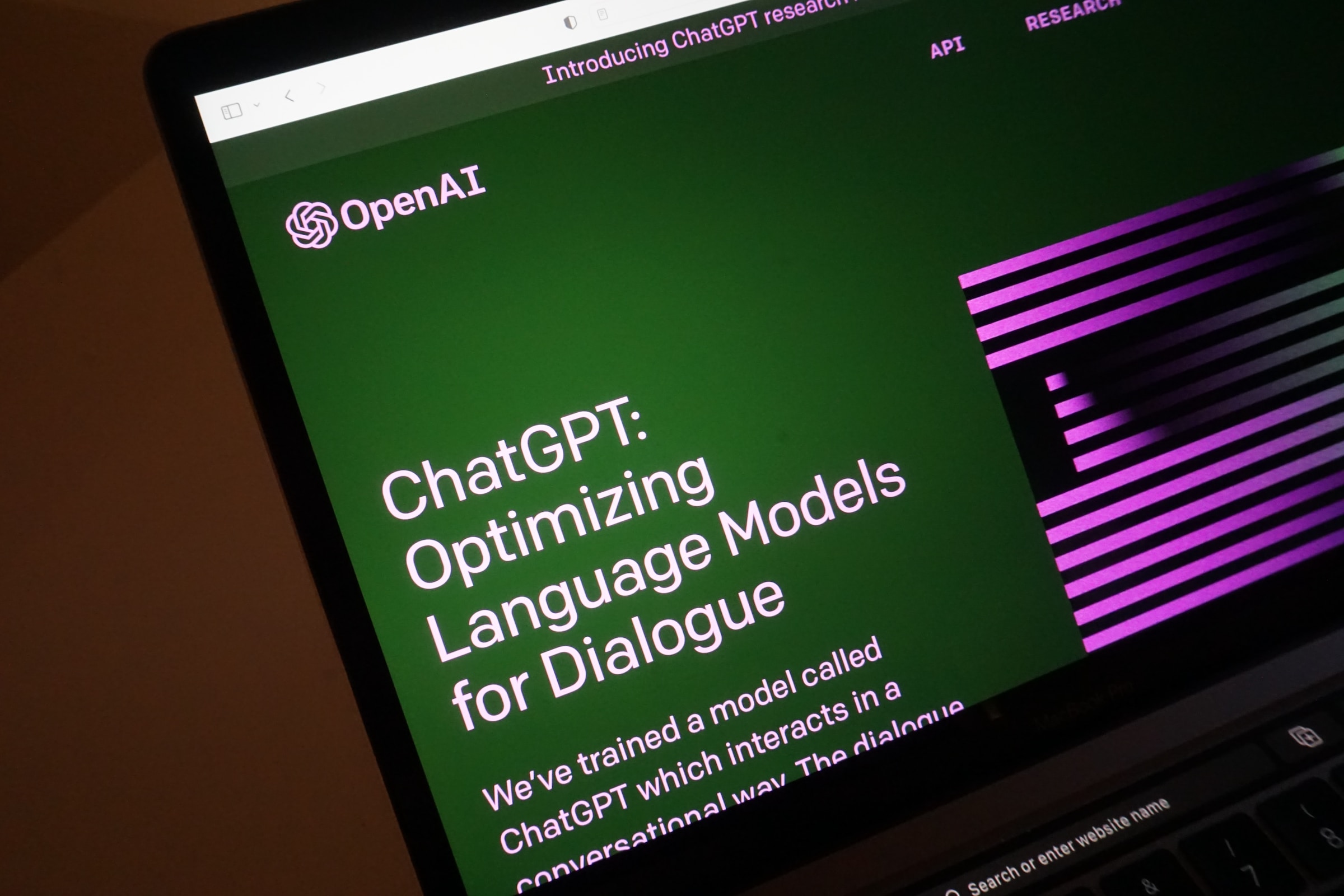
OpenAI, a company specializing in artificial intelligence, has embarked on a novel mission to enhance the quality and safety of AI training data. This initiative, named Data Partnerships, aims to collaborate with various organizations to develop both public and private data sets that are more inclusive and comprehensive.
This step comes in response to the growing concerns about the inherent biases and toxic language found in existing AI training data. Studies, including one from the Allen Institute for AI, have exposed these flaws, underscoring the need for more balanced and safe data sets.
OpenAI's approach involves gathering diverse data that mirrors human society and isn't readily available online. The company plans to focus on various types of content, including images, audio, and video, with a particular interest in data expressing human intentions, such as long-form writings or conversations, across different languages and formats.
OpenAI Seeks Diverse, Safe AI Training Data
To facilitate this process, OpenAI will employ tools like optical character recognition and automatic speech recognition, ensuring the removal of sensitive or personal information. The aim is to create data sets that understand a wide range of subject matters, industries, cultures, and languages, thus making AI models more helpful and safer for all.
The project plans to produce two kinds of data sets. One is an open-source set accessible to everyone for AI model training. The other is a private collection tailored for organizations that prefer to keep their data confidential while still enhancing the AI's understanding of their specific domain.
Partnerships have already been formed with entities like the Icelandic Government and Miðeind ehf to improve Icelandic language comprehension in AI models and with the Free Law Project for a better grasp of legal documents.
The challenge for OpenAI lies in overcoming the hurdles of minimizing biases, a task that has baffled experts worldwide. While there is skepticism about the feasibility of this endeavor, the commitment to transparency and tackling these challenges marks a step forward in the AI field.
The motivation behind this project seems two-fold: advancing AI technology and possibly a commercial intent to enhance the performance of OpenAI's models. This initiative, if successful, could redefine the standards of AI training and its application in various sectors.
Image: Rolf Van Root