


 RBA Hikes Interest Rate to 4.60% as Inflation Risks Rise
  FxWirePro: Daily Commodity Tracker - 21st March, 2022
  RBI Rate Hike Bets Surge as Inflation Rises
  BOJ Signals Faster Rate Hikes as Inflation Risks Grow
  Yen Sinks as BOJ Rate Hike Fails to Impress Markets


 Add as a preferred source on Google
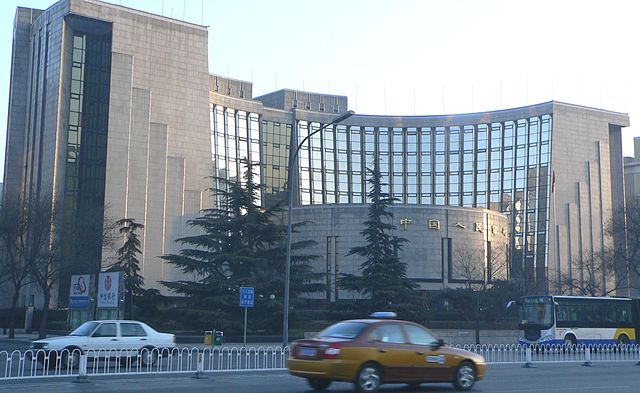
Despite the impressive $ 3.2 trillion PBoC's FX holdings, the speed at which the PBoC once again lost FX reserves in January is quite alarming. Since top levels reached in the summer of 2014, 19% of the PBoC's reserves have been lost.
Chinese balance of payments data shows that the high net capital outflow can no longer be covered with export revenue alone. The central bank's reserve portfolio has to cover the rest. This leaves the PBoC with two options to stop the outflow of reserves: either the flight of capital stops or the export surplus rises.
For the first alternative to work the renminbi-depreciation expectation has to be gone. However, for the second alternative a weaker renminbi would be required. It would make imports more expensive, therefore reducing them and would provide the required kick-start for exports.
The PBoC's dilemma continues. It is hardly surprising that its behaviour over the past few months appeared to be quite inconsistent.
"An increasing number of observers now think that a very large depreciation step is the best and only possibility of ending the dilemma. I am not sure whether the PBoC will have the courage to do that, however." said an economist at Commerzbank in a report.







