


 RBA Hikes Interest Rate to 4.60% as Inflation Risks Rise
  ECB May Stop Rate Hikes After December, Capital Economics Says
  Australia Consumer Confidence Plunges as RBA Rate Hike Hits Households
  BlackRock’s Rick Rieder Favors Bonds Over Stocks as Treasury Yields Surge
  Fed’s Hammack Says Bond Yield Surge Is Not Driven by Inflation Fears
  Fed Unveils Stablecoin Rules Under GENIUS Act


 Add as a preferred source on Google
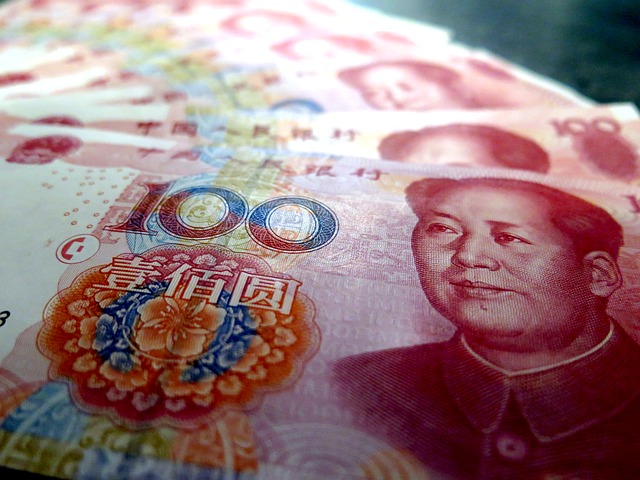
China's balance of payment has deteriorated over a period of time and now exports alone cannot recover the high net capital outflow. In order to reduce the deficit the central bank will have to shed out from its reserve portfolio. So to stop the outflow of reserves either the exports will have to increase or the flight of capital should reduce.
In order to increase the exports, depreciation of the renminbi will be required as it would make imports expensive. Hence, reduction in imports and simultaneously increase in exports will help in reducing the deficit. Secondly, to reduce capital flight renminbi-depreciation expectation should disappear from the market as Chinese investors invest abroad in expectations of FX gains.
"An increasing number of observers now think that a very large depreciation step is the best and only possibility of ending the dilemma. We are not sure whether the PBoC will have the courage to do that, however" says Commerze bank in a research note







